
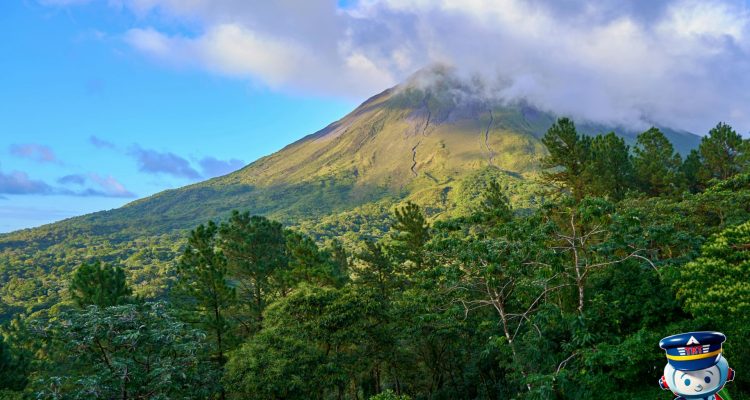
Discovering Costa Rica’s Pura Vida Spirit
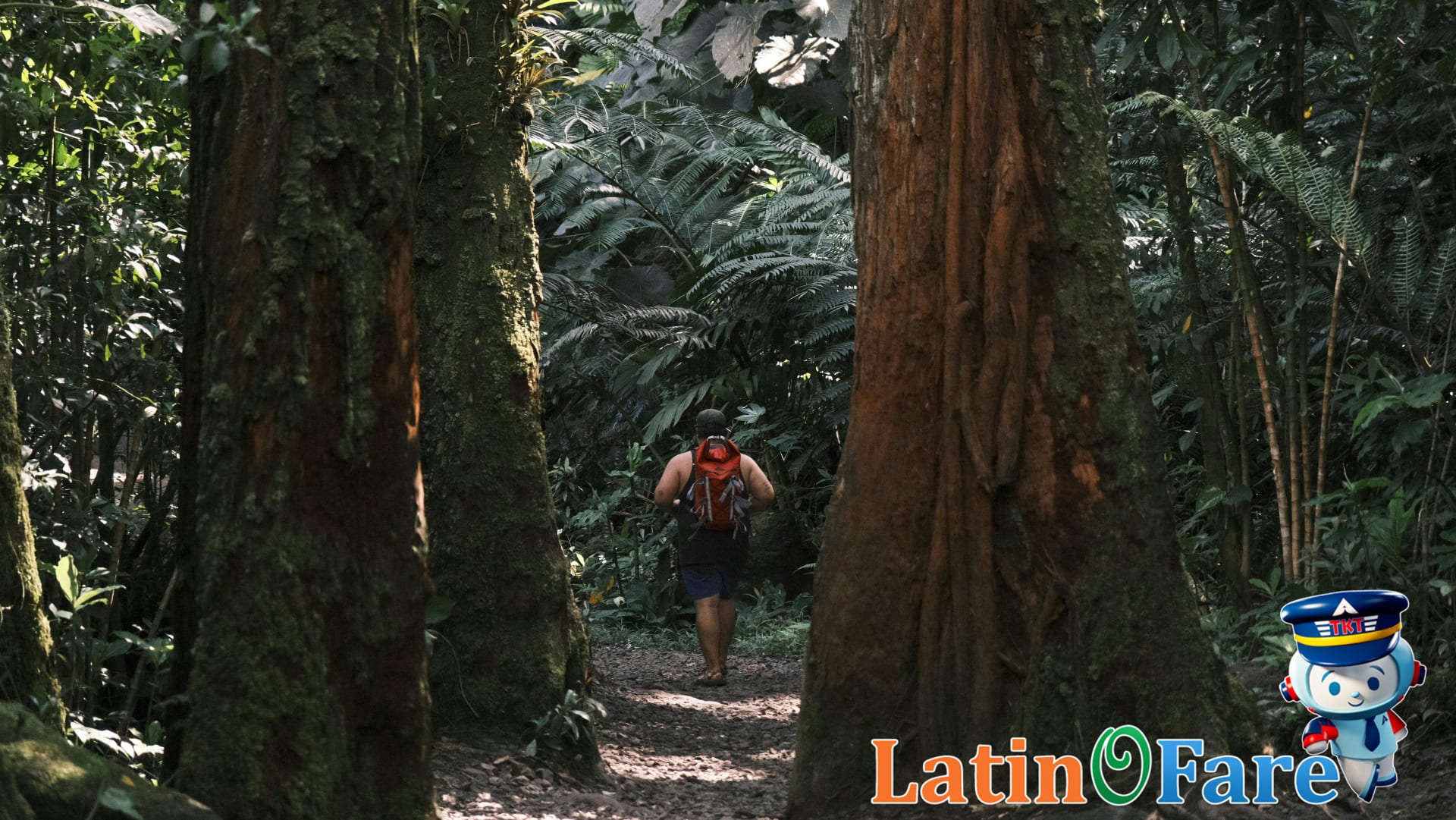
“Pura vida”—you’ll hear these words everywhere in Costa Rica, and they’re more than just a greeting. Locals use it to express everything from gratitude to encouragement, but at its core, it’s about living simply, appreciating the moment, and welcoming others with warmth. That spirit is part of what draws so many travelers here—whether you’re chasing jungle adventures, seeking out wildlife, or simply craving a place to unwind among palm trees and ocean waves.
I still remember the first breath of rainforest air after stepping off the plane—thick with the scent of earth and green leaves, and somehow instantly calming. The genuine smiles from locals at the airport made me feel like I’d landed somewhere special, not just another tourist destination.
This guide will help you get the most out of Costa Rica, from finding the best flight deals (I’d start with latinofare.com or their guide to finding cheap flights to Central America) to picking the right adventure tours, understanding local customs, and making your trip as smooth as possible. Whether you’re a budget traveler, thrill-seeker, or just need a break, Costa Rica’s pura vida lifestyle has something for you.
Costa Rica’s Rainforests and Wildlife
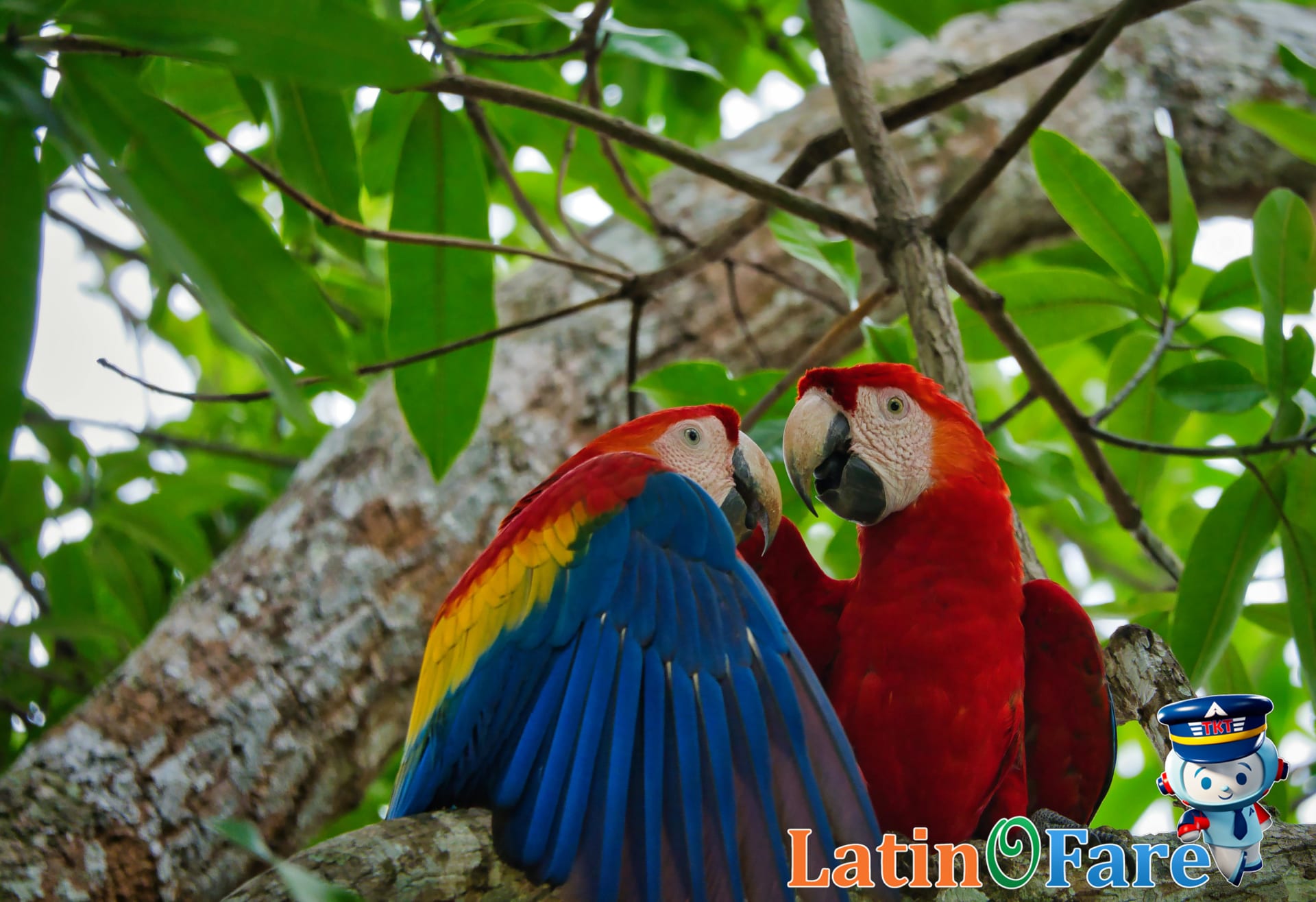
Costa Rica’s rainforests are legendary for their lush beauty and sheer biodiversity. Each major region offers a different flavor of adventure. Monteverde’s cloud forest is famous for its misty canopy walks, where you might hear the distant roar of howler monkeys or spot a resplendent quetzal darting through the leaves. The Osa Peninsula, especially in Corcovado National Park, is often called one of the most biologically intense places on earth. Here, you’ll find scarlet macaws, tapirs, and even the elusive jaguar if you’re lucky.
Tortuguero, on the Caribbean coast, is a maze of waterways and flooded forests, best known for its sea turtle nesting sites. Boat tours glide past caimans and spider monkeys, while colorful toucans flash overhead. In Arenal, the rainforest meets volcanic slopes, creating a hotspot for sloths, coatis, and vibrant poison dart frogs. I’ll never forget the first time I spotted a sloth hanging lazily in the treetops—there’s something magical about seeing wildlife in its natural habitat rather than behind glass.
Guided tours are a smart way to maximize your wildlife sightings. Local guides know the best trails for spotting rare species and can point out camouflaged creatures you’d likely miss on your own. Before you go, I’d suggest reading our guide to packing essentials for rainforest travel—it covers what you’ll want to bring for comfort and spotting gear.
Unforgettable Regions and Highlights
Costa Rica packs an impressive variety of landscapes, microclimates, and local cultures into a country about the size of West Virginia. Each region feels distinct, from the misty Central Valley to the laid-back Caribbean Coast, and it’s easy to get a taste of the country’s “pura vida” lifestyle by exploring more than one area.
Central Valley Sights and Flavors
The Central Valley is home to the capital, San José, and is surrounded by coffee plantations and cloud forests. It’s a great place to sample local markets—I still remember a morning at San José’s Mercado Central, where I tried gallo pinto and fresh tropical fruit juice. This area is also a gateway to volcano day trips and the artsy town of Sarchí.
Caribbean Coast’s Unique Vibe
The Caribbean Coast feels worlds apart, with Afro-Caribbean influences, reggae rhythms, and a slower pace. Puerto Viejo de Talamanca is famous for its surfing beaches, wildlife in Cahuita National Park, and spicy Caribbean cuisine. If you’re a food lover, check out this Latin American food guide to dig deeper into regional flavors.
Pacific Coast Adventures
The Pacific Coast offers iconic spots like Manuel Antonio National Park, where rainforest meets white sand. You’ll find lively beach towns, epic sunsets, and some of the best seafood in the country. Tamarindo and Dominical are top picks for surfing, while the Nicoya Peninsula is known for wellness retreats and local ceviche stands.
Northern Highlands Wonders
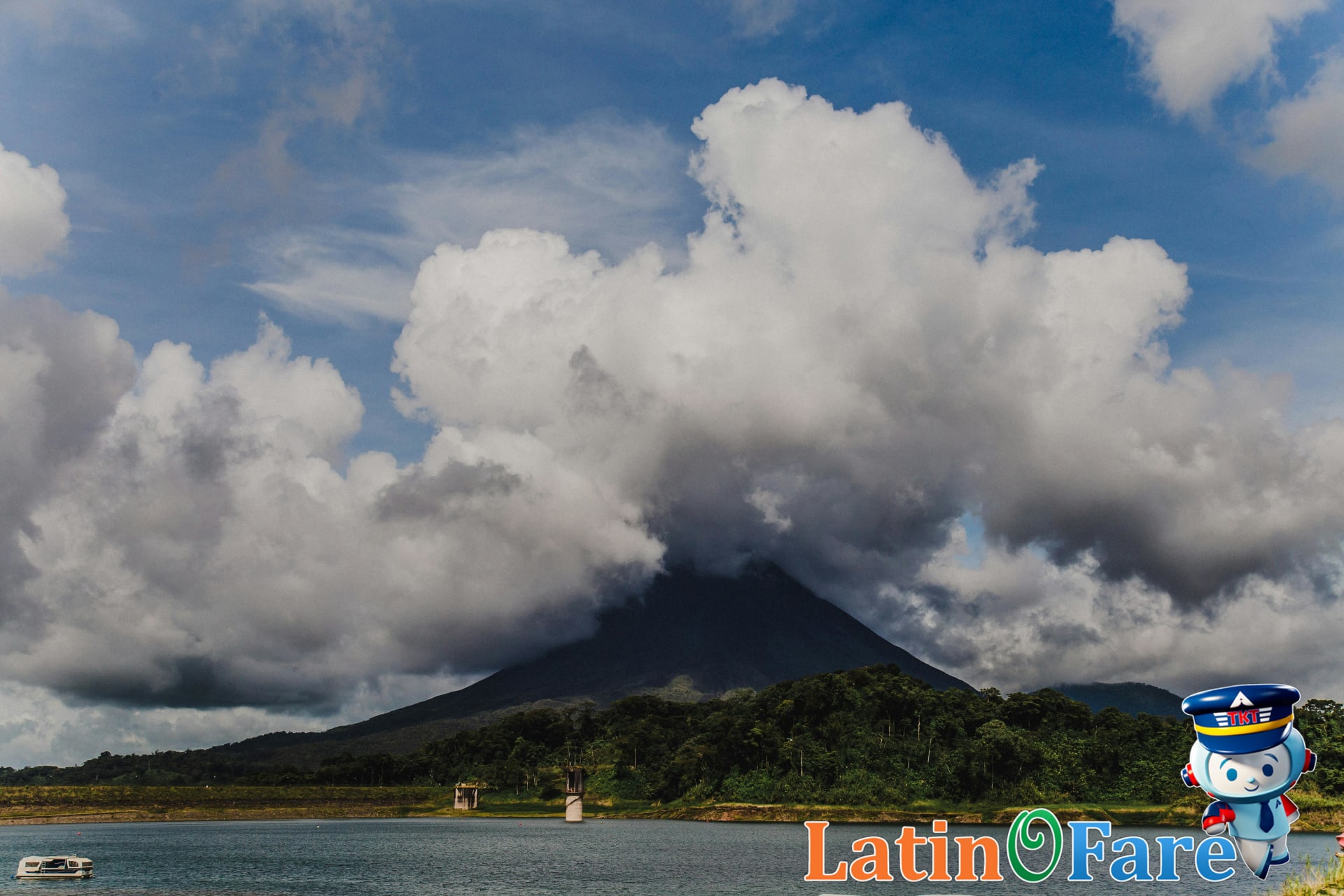
The Northern Highlands are dominated by Arenal Volcano, a classic cone rising over lush rainforest. Don’t miss the hot springs and hanging bridges near La Fortuna, or the adventure sports in Monteverde’s cloud forests. Each region has its own flavor, and crossing from one to another really shows off Costa Rica’s diversity.
Costa Rica’s Famous Adventure Activities
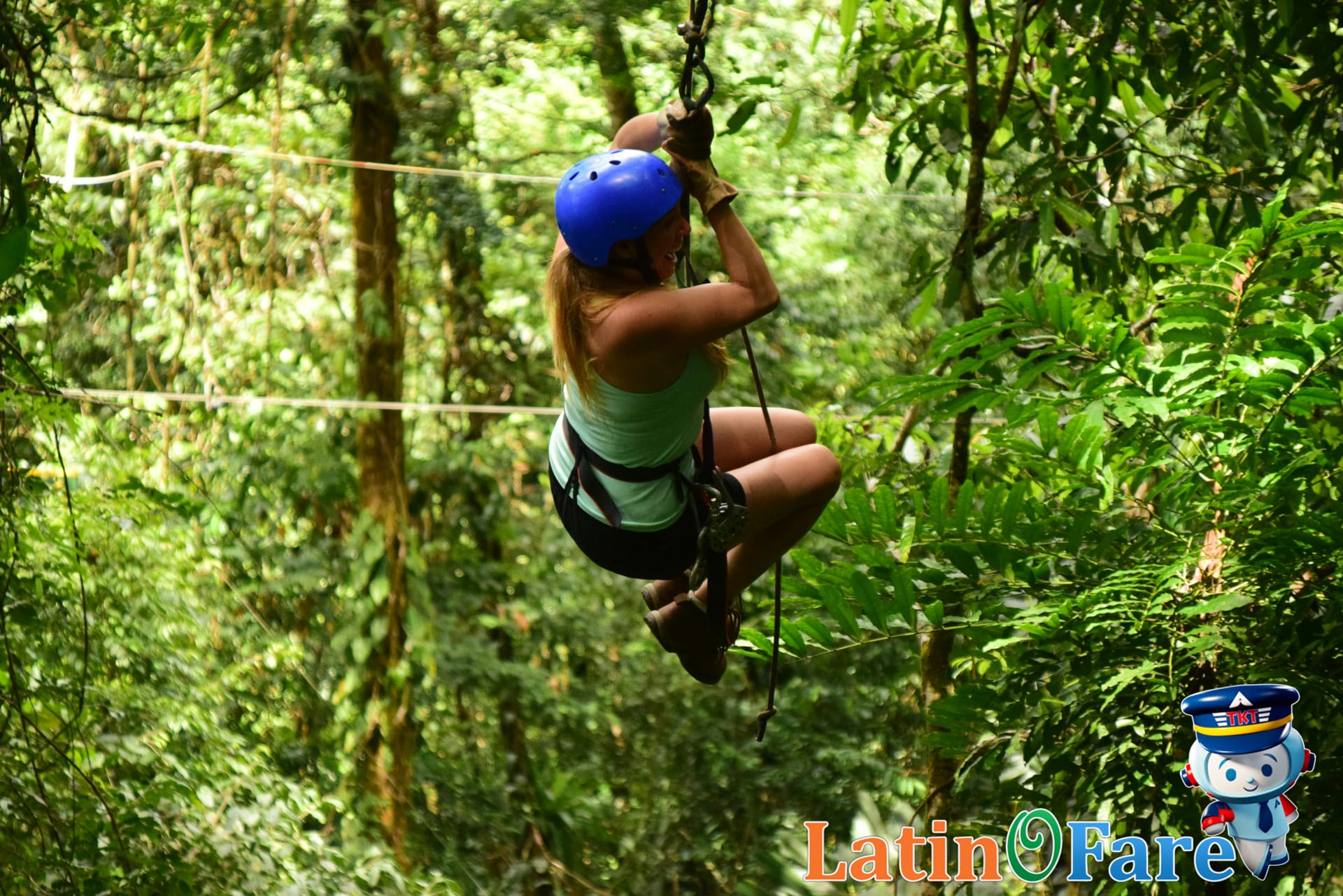
Costa Rica has earned its reputation as an adventure playground, and for good reason. If you’re craving adrenaline, you’ll find it in every corner—from the cloud forests to the crashing Pacific waves. Zip-lining is a must: the Arenal and Monteverde regions are packed with canopy tours that send you soaring above jungle treetops. I’ll never forget the rush of wind in my face and the sweeping views of volcanic peaks while gliding from one platform to the next—it’s an experience that sets your heart racing and your senses on high alert.
Whitewater rafting is another classic. The Pacuare and Sarapiquí rivers offer rapids for both beginners and seasoned paddlers, with guides ensuring safety and fun. Surfing draws wave-seekers to Tamarindo, Jacó, and Santa Teresa—each with its own vibe and surf schools for all levels. Prefer to keep your feet on solid ground? Volcano hikes around Arenal and Rincón de la Vieja let you trek through lush rainforest and spot wildlife, with trails ranging from gentle walks to more challenging climbs.
Most adventure parks and tour operators welcome families, solo travelers, and groups, but check age and health requirements before booking. I usually recommend reserving adventure tours ahead of time, especially if you’re visiting during the dry season, when spots fill up quickly. Local tourism board sites can be a helpful resource for up-to-date listings and reputable operators.
Eco-Tourism and Responsible Travel Choices
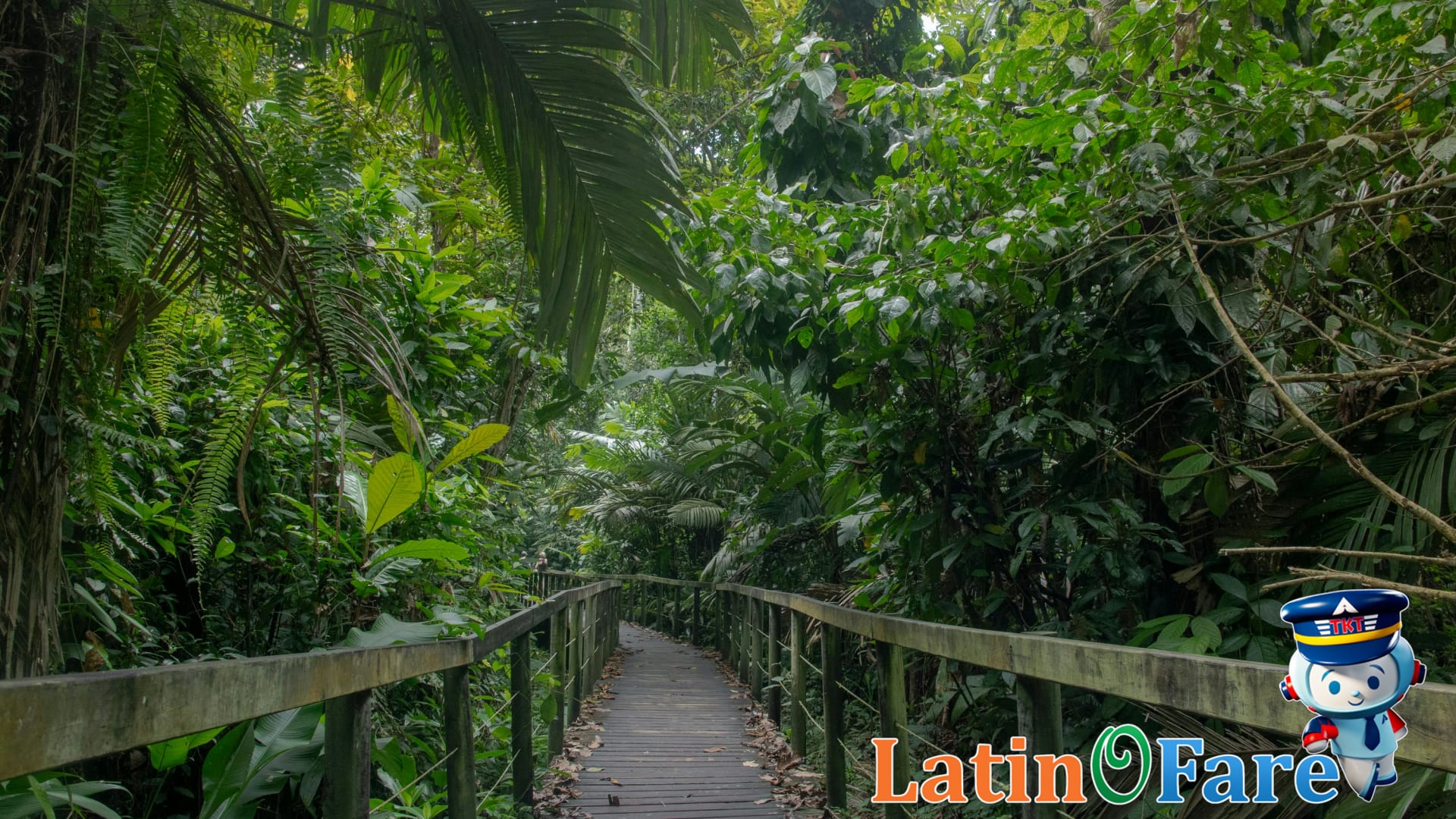
Costa Rica is famous for its dedication to eco-tourism, with nearly a quarter of its land protected as parks or reserves. The country’s Certification for Sustainable Tourism (CST) program helps travelers spot lodges and tours that genuinely minimize environmental impact. When I visited, I chose an eco-lodge with CST certification because I wanted my stay to support local conservation efforts, not just offer a beautiful view.
If you’re planning a trip, look for accommodations and tours displaying the CST label or similar green certifications. These places typically use renewable energy, manage waste responsibly, and support community projects. I also recommend carrying a refillable water bottle and reusable shopping bag to avoid single-use plastics. For wildlife experiences, stick to small-group tours led by guides who prioritize animal welfare and avoid any that promote animal handling.
For more tips, check out our post on the benefits of eco-travel. If you want to verify a hotel or tour’s certification, Costa Rica’s official sustainable tourism site (turismo-sostenible.co.cr) is a reliable resource.
Top Beaches On Costa Rica’s Coasts
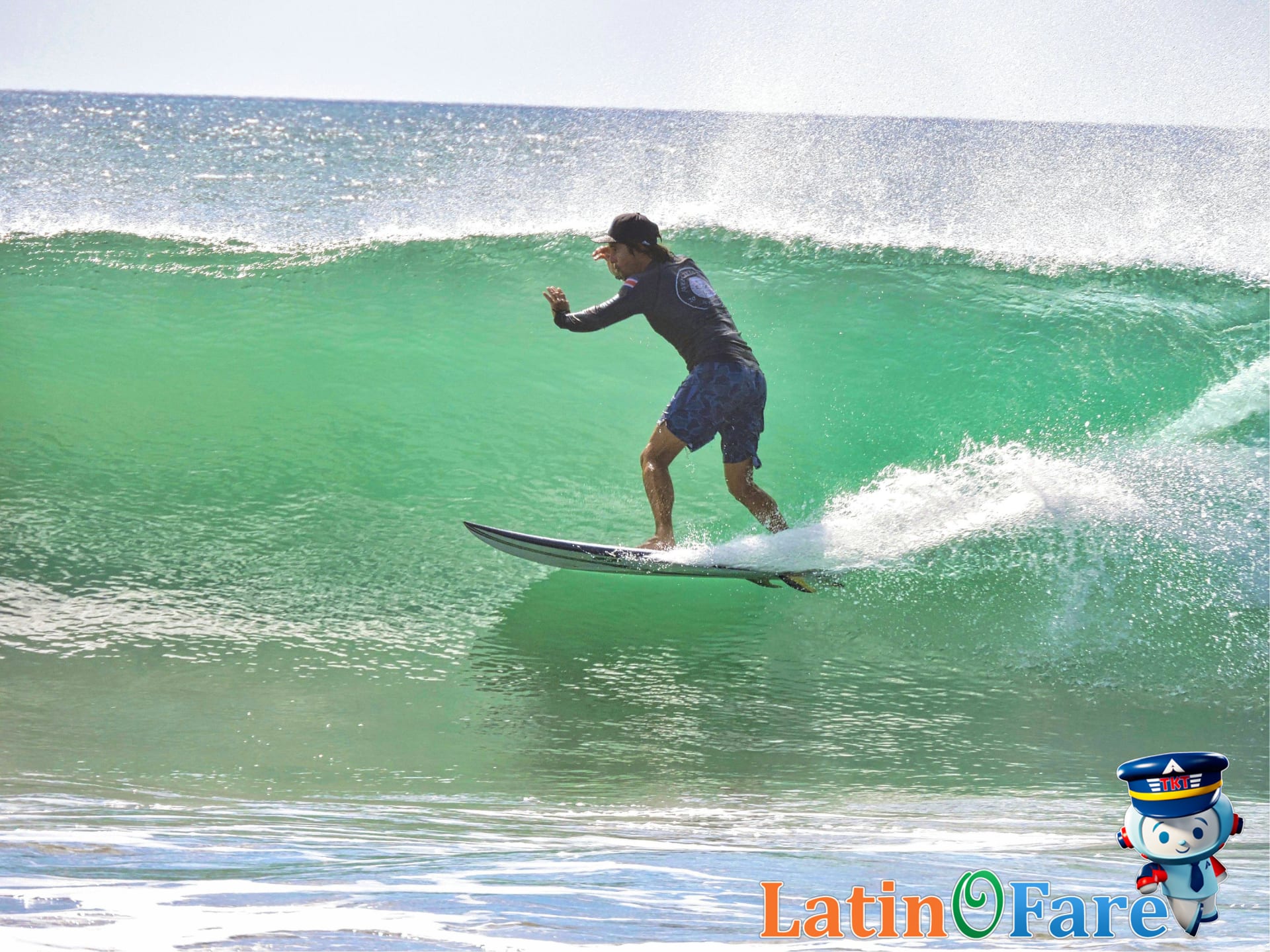
Costa Rica’s beaches are legendary, whether you’re chasing Pacific surf or the Caribbean’s laid-back charm. Manuel Antonio is a classic, where jungle meets golden sand and you might spot monkeys while swimming. Tamarindo draws surfers and sunset lovers alike, and I still remember the calm of an early morning walk there before the crowds arrived—just the sound of waves and a few pelicans gliding by.
If you want a different vibe, head to the Caribbean side. Puerto Viejo is known for its Afro-Caribbean culture, reggae beats, and casual beach bars. Just up the road, Cahuita is quieter, with its national park offering easy snorkeling and gentle waves. For budget travelers, I usually recommend skipping the busiest spots and checking out lesser-known stretches like Playa Grande or Playa Negra. You’ll find cheaper eats at local sodas (small restaurants) and can often reach these beaches by public bus, saving a good chunk of your travel budget.
Accommodation Advice and Booking Tips
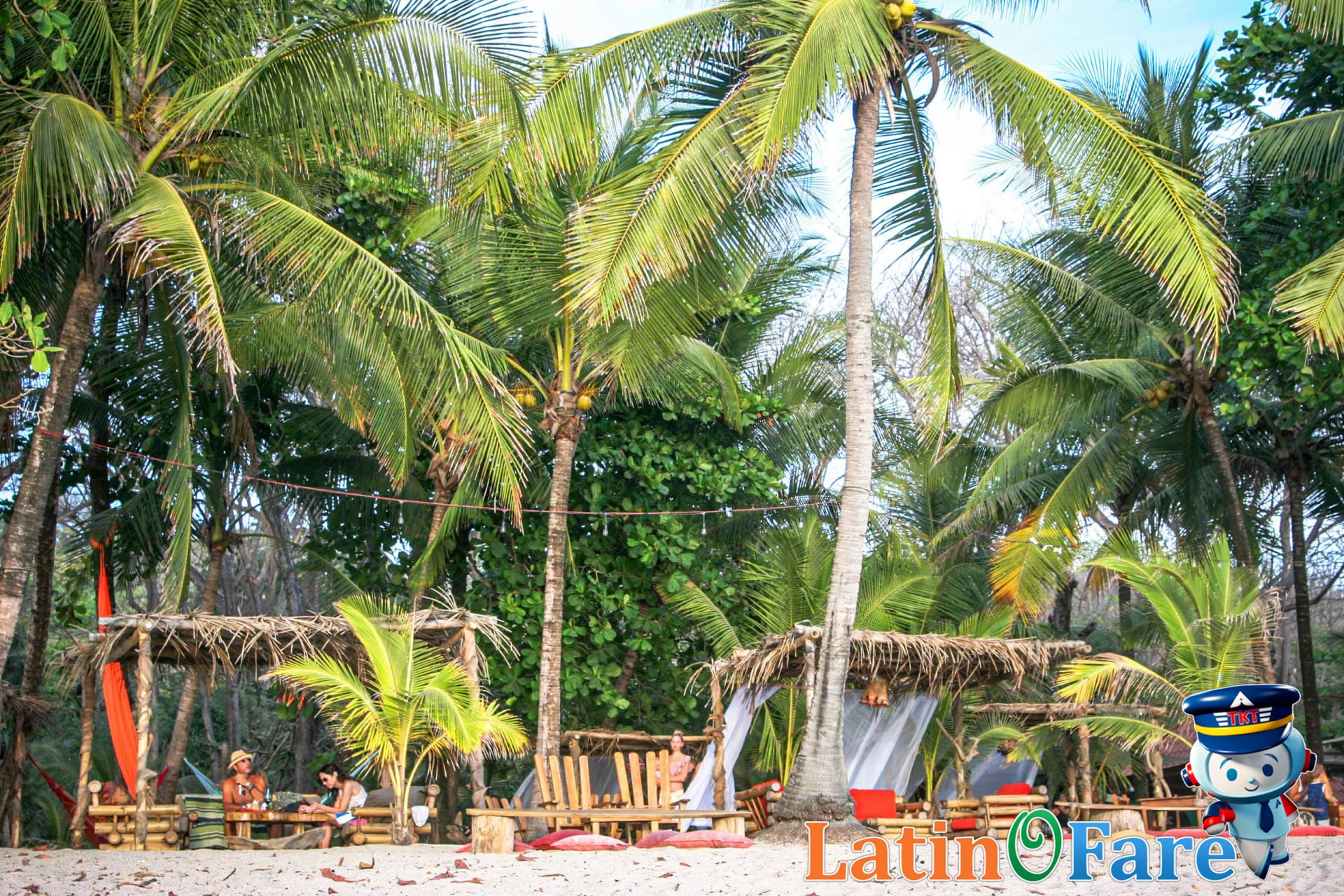
Costa Rica offers a wide range of stays—everything from all-inclusive beach resorts and family-friendly hotels to budget hostels and eco-lodges tucked deep in the rainforest. Hotels often provide the most amenities, but eco-lodges can offer a more authentic, nature-focused experience. Hostels are great for solo travelers or anyone watching their budget, though privacy and comfort may be limited. I usually compare my options by weighing location, included perks like breakfast or airport shuttle, and whether the property supports sustainable practices, which matters to me when visiting Costa Rica.
If you’re searching for deals, latinofare.com lets you book hotels online or by speaking with an agent. I’ve found that talking to a real person is especially helpful for families or anyone with specific needs—agents can sometimes spot package deals or room upgrades that aren’t obvious online. Booking by phone also helps clarify cancellation policies or double-check that there aren’t hidden costs, which can sneak up on you with some booking sites.
Don’t forget to factor in potential hidden fees—resort charges, taxes, or transfer costs can add up quickly. For more tips on avoiding these, check out our article on how to avoid hidden fees when booking travel. Whether you book early for peace of mind or try your luck last-minute, always compare bundled packages (flight + hotel) with booking each separately. Sometimes, the savings are significant.
Sample Costa Rica Trip Budget Table
| Budget | Mid-range | Luxury | |
|---|---|---|---|
| Accommodation | $30.00 | $95.00 | $270.00 |
| Food | $12.00 | $35.00 | $90.00 |
| Transport | $8.00 | $30.00 | $110.00 |
| Activities | $15.00 | $45.00 | $120.00 |
How you travel in Costa Rica really shapes your daily expenses. If you stick to hostels, eat at sodas (local diners), and use public buses, you can keep costs low. Personally, I always make a point to eat where locals do and walk when possible—it’s saved me a lot over the years.
Mid-range travelers will spend more for private rooms, restaurant meals, and some guided tours, while luxury travelers can expect higher costs for upscale hotels, private transport, and premium excursions. No matter your style, small choices add up—especially on food and activities. If you’re watching your budget, prioritize local eats and free attractions.
Avoiding Common Planning Mistakes

Even experienced travelers run into a few classic Costa Rica planning pitfalls. One mistake I made on my first visit was underestimating drive times between destinations—what looked like a quick two-hour trip on the map actually took me over four hours on winding, rural roads. Now, I always check local travel forums and factor in extra time for road conditions.
Another common error is overpacking the itinerary. Costa Rica’s diverse regions are tempting, but trying to squeeze in too many stops can leave you exhausted. I recommend focusing on two or three key areas and allowing downtime for spontaneous adventures or just relaxing in nature.
Weather surprises many visitors, especially during the rainy season. It’s easy to forget that a sunny morning can turn into an afternoon downpour. Always pack a lightweight rain jacket and waterproof your electronics, no matter the forecast.
One more thing: don’t assume your car rental will be waiting right at the airport. Some agencies require a shuttle ride to an offsite location, which can add time and confusion if you’re not prepared. Double-check those details when booking to avoid a stressful start.
Costa Rica Travel Guide: FAQ
- What is the best time of year to visit Costa Rica?
The best time to visit Costa Rica is during the dry season, which typically runs from December through April. This period offers plenty of sunshine, making it ideal for beaches and outdoor adventures. If you prefer fewer crowds and lower prices, consider visiting in May or June when the rainy season starts but is still mild. (54 words)
- How safe is Costa Rica for solo or family travel?
Costa Rica is generally considered safe for both solo travelers and families, especially in popular tourist areas. Petty theft can occur, so I always keep valuables secured and avoid walking alone at night in unfamiliar places. Using official taxis and checking recent travel advisories before your trip is a good precaution. (53 words)
- Do I need a visa to enter Costa Rica?
Most travelers from the United States, Canada, and the European Union do not need a visa for stays up to 90 days, but requirements can change. I always check the Costa Rican embassy website or the U.S. Department of State’s travel page for the latest entry rules before booking flights. (53 words)
- What is the top wildlife experience in Costa Rica?
One of the top wildlife experiences is spotting sloths, monkeys, and colorful birds in Manuel Antonio National Park. Guided tours often help you see more animals, especially early in the morning. Don’t forget binoculars and a camera with a zoom lens for the best photos of Costa Rica’s unique wildlife. (54 words)
- How can I travel Costa Rica on a budget?
To keep costs down, use public buses, stay in hostels or guesthouses, and eat at local sodas (small restaurants). Booking flights through latinofare.com can help you find affordable airfare. I’ve found that traveling during the rainy season also usually means lower accommodation prices. (51 words)
- Is it safe to drink tap water in Costa Rica?
Tap water is generally safe to drink in most parts of Costa Rica, especially in major cities and tourist destinations. However, in remote or rural areas, I prefer to use bottled or filtered water just to be cautious. Bringing a reusable water bottle with a filter is a smart idea. (53 words)
- What are the best eco-tourism tips for Costa Rica?
Support certified eco-lodges, use refillable water bottles, and stick to marked trails in national parks. Many Costa Rica travel guide resources recommend booking tours with local guides who follow sustainable practices. Avoid single-use plastics and respect wildlife by observing from a distance rather than trying to touch or feed animals. (54 words)
Final Travel Inspiration and Next Steps
If you’re looking for a travel experience that’s both energizing and grounding, Costa Rica’s pura vida lifestyle is something I genuinely recommend. It’s not just about the scenery—it’s the way you’ll feel after a morning hike, a shared plate of gallo pinto, or a slow sunset by the water. If you’re curious about what to eat, check out our Latin American cuisine guide. Want to travel lighter? Our packing tips can help. And if you’re hoping for a last-minute getaway, there are always helpful strategies for finding last-minute deals through latinofare.com.
Wherever you go next, let Costa Rica inspire you to travel a little more freely and savor each moment.