

How Timing And Airline Choice Save
I’ll admit, the first time I searched for flights to Europe, I found the price swings confusing and honestly a bit stressful. If you’ve ever watched fares jump overnight or wondered why two airlines charge wildly different amounts for the same route, you’re not alone. Transatlantic fares are unpredictable, and even seasoned travelers can feel overwhelmed by all the options.
The two biggest factors that impact your savings are when you book and which airline you choose. Booking too early or too late can mean paying a lot more than you need to, while certain carriers regularly offer competitive fares between the U.S. and Europe. I usually recommend checking both traditional and budget airlines, since each can surprise you with deals depending on the season or route.
Luckily, you don’t have to do all the monitoring yourself. Fare tracking tools and deal alerts can help you spot price drops and avoid overpaying. If you want a shortcut to current offers, check out the deals page on latinofare.com for up-to-date transatlantic specials.

Major Airlines Flying US-Europe Routes
When planning a transatlantic trip, you’ll likely encounter big names like United, Delta, and American (all with extensive US-Europe networks), as well as British Airways, Lufthansa, and Air France on the European side. These airlines operate major hubs—think New York (JFK), Chicago (ORD), London Heathrow, Frankfurt, and Paris Charles de Gaulle—which can influence your route options and pricing. Direct flights are convenient but may cost more, while connections through hubs sometimes offer savings or more schedule flexibility.
It’s also worth understanding airline alliances. Star Alliance (United, Lufthansa, Air Canada), oneworld (American, British Airways, Iberia), and SkyTeam (Delta, Air France, KLM) let you book across partner airlines, often earning points and enjoying smoother transfers. I’ve found that comparing alliance partners can reveal better customer support or more efficient connections, especially if you’re open to flying a mix of carriers. If you want to dive deeper, latinofare.com has a handy airline comparison tool that’s saved me time when weighing my options.
Best Times for US-Europe Flight Deals

Timing your booking can make a huge difference in the cost of US-Europe flights. Based on years of tracking airfare, I’ve noticed that the cheapest months to fly are often late winter (February and early March) and fall (mid-September through November). These shoulder seasons fall between the peak summer rush and the winter holidays, when demand is lower and airlines are more likely to offer discounts.
For the best shot at a deal, I usually recommend booking about 2–5 months in advance. Booking too early or waiting until the last minute can sometimes mean higher prices, especially for popular routes. On a recent trip, I waited until just a month before departure and ended up paying about $150.00 more than if I’d booked earlier in the spring.
Summer (June through August) and the winter holidays are the most expensive times to fly, with prices spiking due to high demand. If your travel dates are flexible, targeting the shoulder months can lead to significant savings. For more details on how seasons impact airfare, check out our guide to airfare trends by season.
Setting Fare Alerts And Using Flexible Dates

One of the simplest ways to catch a deal on US-Europe flights is by setting up fare alerts and using flexible date tools. Platforms like Google Flights, Skyscanner, and latinofare.com let you track specific routes—just enter your departure, destination, and click “Track prices” or “Set alert.” You’ll get notified when fares drop, often before the general public notices.
In my own experience, I once got a fare alert on a random Tuesday morning for a Paris flight I’d been watching. The price dropped by about $120.00 overnight, so I booked right away and ended up with a much cheaper trip than I expected. These alerts really can make a difference, especially if you’re not set on exact travel dates.
If you’re flexible, use the calendar or “cheapest month” view on sites like Skyscanner and Google Flights. latinofare.com also offers flexible search options, making it easier to spot deals a few days before or after your target date. The more dates you check, the higher your chances of snagging a low fare. For more strategies, check out our guide on last-minute and flexible ticketing tips.
Weighing Comfort Versus Ticket Price

When booking a US-Europe flight, it’s tempting to just go with the lowest fare. But after eight or more hours in the air, the seat width, legroom, and amenities can matter as much as the price. I’ve learned to prioritize comfort features—like seat pitch, in-flight entertainment, and meal quality—especially on long-haul routes where a few extra inches or a good meal can make a real difference.
Among popular airlines, seat dimensions and amenities can vary quite a bit. For example, Delta and United often offer around 31 inches of seat pitch in economy, while some European carriers like Lufthansa or British Airways may be similar but differ in seat width or entertainment systems. Free meals and drinks are standard on most transatlantic flights, but Wi-Fi, checked bag inclusion, and power outlets can vary. I always check if the fare includes at least one checked bag—otherwise, you might pay about $60.00 extra at the airport.
Before you book, I recommend checking the aircraft seat map on sites like SeatGuru and reading recent traveler reviews for your specific flight. These tools help you spot cramped rows or seats with limited recline, and you’ll get a sense of what amenities are actually provided—not just promised. If you value sleep, consider paying a bit more for an aisle or bulkhead seat, or even premium economy. In my experience, spending an extra $100.00 for better legroom or quieter seating is worth it for overnight flights.
If you want a detailed breakdown of airline comfort features, check out our in-depth airline comfort comparison article for practical side-by-side details.
US-Europe Travel Budget Breakdown
When you’re planning a trip from the US to Europe, your flight price sets the tone for everything else you can afford. I’ve definitely noticed that saving even $100.00 on airfare gave me more room to splurge on unique meals or a special museum pass. Here’s a realistic breakdown of what you might spend per day in Europe, depending on your travel style:
| Budget | Mid-range | Luxury | |
|---|---|---|---|
| Accommodation | $35.00 | $110.00 | $320.00 |
| Food | $18.00 | $45.00 | $110.00 |
| Transport | $10.00 | $30.00 | $80.00 |
| Activities | $15.00 | $40.00 | $95.00 |
For budget travelers, expect hostel beds, street food, public transit, and free walking tours. Mid-range means boutique hotels, bistros, trains, and paid attractions. Luxury covers upscale hotels, fine dining, private transfers, and exclusive experiences. If you score a cheaper ticket on latinofare.com, that extra cash could mean upgrading from a dorm to a private room or booking a food tour you wouldn’t have considered otherwise.
If you want to get even more granular, check out our full Europe trip budget guide for in-depth tips and real-world examples.
Spotting Hidden Fees on Flights

Hidden fees can sneak up on even the most seasoned travelers, especially on transatlantic flights. Some of the most commonly overlooked charges include checked bag fees (which can run about $60.00 per bag), seat selection fees, in-flight meals, credit card surcharges, and booking service fees—particularly when using an online travel agency (OTA) instead of booking directly with the airline.
Booking directly with the airline often means you see a clearer breakdown of mandatory fees, but sometimes OTAs like latinofare.com offer bundled deals or exclusive fares. The trade-off? OTAs may tack on their own service charges or make it harder to spot airline-specific add-ons until the final step. I once nearly missed a $25.00 “payment processing fee” buried in the last page of checkout—luckily, I caught it just before confirming my booking and switched payment methods to avoid it.
My advice: always review the total “out-the-door” price, including every possible fee, before you hit the pay button. For a deeper dive into how to sidestep these extra costs, check out latinofare.com’s guide to avoiding airfare hidden fees.
Flexible Booking and Support Insights

Flexible tickets let you change dates or cancel with fewer penalties, which is a lifesaver when plans shift unexpectedly. You’ll spot these options by looking for words like “free changes,” “no-fee cancellation,” or “flexible fare” during checkout. Booking directly with airlines sometimes offers flexibility, but I’ve found that platforms like latinofare.com often highlight flexible deals and give you more ways to compare support policies side by side.
What really sets flexible OTAs apart is easy access to help—think 24/7 phone lines, live chat, and a robust FAQ. When my connecting flight was canceled at the last minute, I called support and managed to rebook within an hour thanks to their quick response. If you’re ever in a bind, having direct support can make all the difference. For detailed guidance, I’d check out the latinofare.com FAQ and support center before booking, so you know exactly what to expect if plans change.
Top Flight Booking Tools Compared
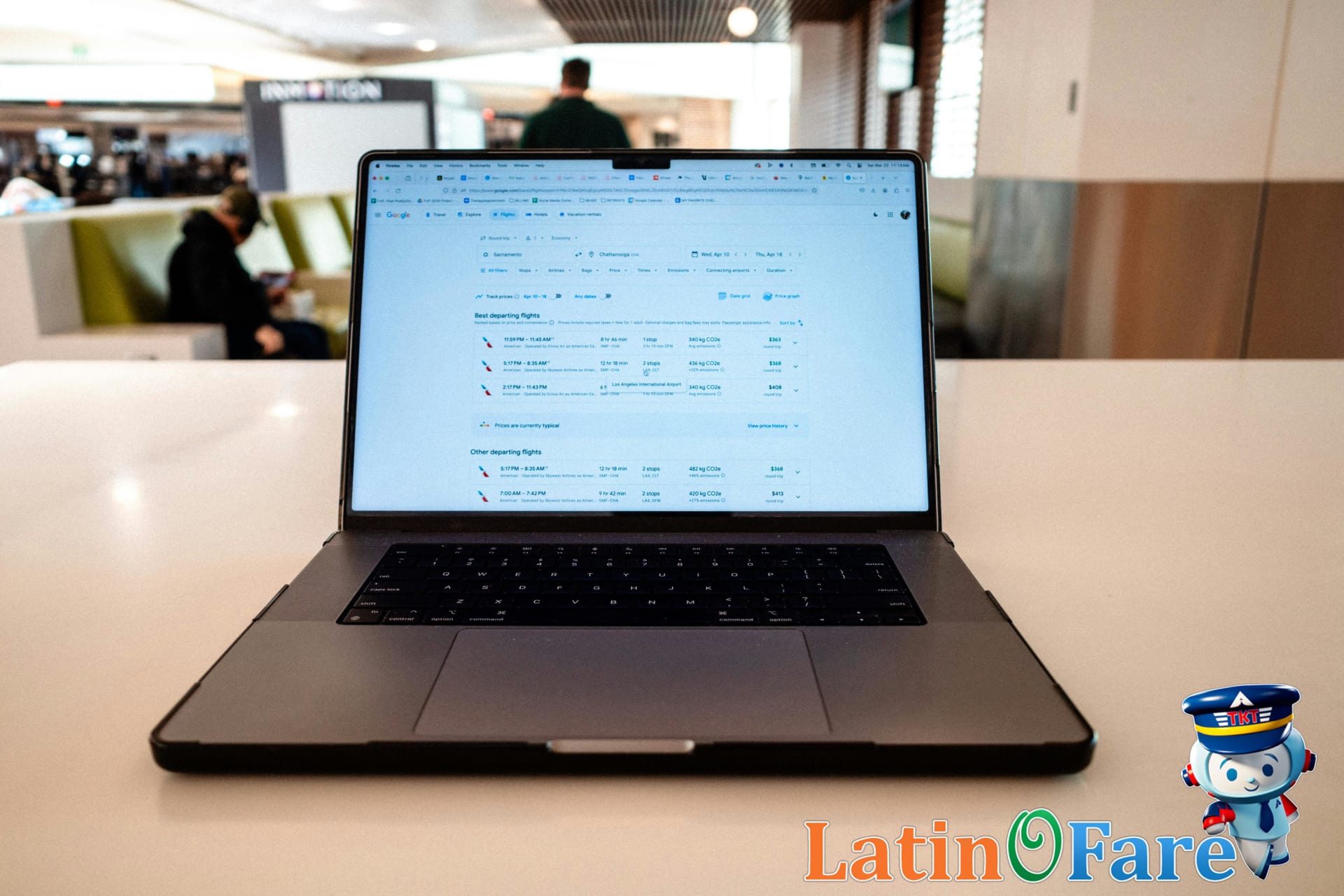
When searching for the best US-Europe flight deals, a few online tools consistently stand out. Here’s how I weigh the options:
- latinofare.com: This platform is built for travelers who want both competitive fares and real customer support. I appreciate their real-time pricing updates and flexible filters—especially when I’m not set on exact dates. It’s a strong pick if you want discounted fares and the option to call for help.
- Major OTAs (Expedia, Priceline): These sites offer broad fare coverage and loyalty perks. They’re easy for comparing multiple airlines at once, but sometimes miss special consolidator fares or charge extra for seat selection.
- Aggregators (Google Flights, Skyscanner): These are my go-tos when I want a fast snapshot of pricing trends. Google Flights’ calendar view is especially helpful for spotting cheaper days, though you’ll need to book on the airline or another site.
- Airline Websites: Booking direct can give you access to exclusive deals, better seat selection, and easier changes. However, you’ll need to check each airline individually, which can be time-consuming.
- Review and Seat Map Platforms (SeatGuru): Not for booking, but invaluable for checking seat comfort and in-flight amenities before you commit.
I usually compare latinofare.com with an aggregator like Skyscanner or Google Flights before booking—this gives me a clear sense of both price and flexibility. If you want a deeper dive, check out this LatinoFare comparison guide or read the Google Flights review on The Points Guy for more insights.
FAQs About US-Europe Flight Deals
- When is the best time to book US-Europe flight deals?
Generally, booking flights about two to three months before your intended departure gives you a good shot at lower fares. I’ve found that midweek departures and off-peak seasons—like early spring or late fall—often mean better prices. For more timing tips, check our guide on latinofare.com about seasonal airfare trends.
- Which airlines offer reliable US-Europe flight deals?
Major carriers like Delta, United, American Airlines, and several European airlines such as Lufthansa and British Airways frequently have competitive fares. Budget airlines like Norwegian or PLAY also pop up in search results, but always check what’s included in the base fare so you’re not surprised by add-on costs.
- How can I make sure a US-Europe flight deal is legitimate?
Stick to well-known booking sites like latinofare.com or established airline websites. Be wary of unfamiliar sites with prices that seem unusually low—read reviews, check refund policies, and confirm the total cost before entering payment details. For more on safe booking, see our support FAQ section.
- Are flexible or refundable tickets available on discounted US-Europe flights?
Some discounted fares do offer flexibility, but many “deal” tickets are nonrefundable or have change fees. If flexibility is a priority, filter for flexible fares during your search or consider add-on protection. I usually recommend reading the fare rules carefully before booking to avoid surprises if plans change.
- What extra costs should I expect with cheap US-Europe flights?
Low fares often exclude checked bags, seat selection, and sometimes even meals. For example, a ticket might cost about $400.00, but adding a checked bag and seat assignment could bring the total closer to $500.00. Always review what’s included before confirming your booking so you can budget accurately.
- Any tips for first-timers booking US-Europe flight deals?
Start by comparing fares across a few trusted platforms, and set up fare alerts for your preferred routes. Double-check passport validity and visa requirements for your destination. For more first-time travel tips, visit our dedicated “Europe on a Budget” resource on latinofare.com.
Save With Timing and Flexibility
Smart timing and a flexible approach really do make a difference when it comes to saving on Europe flights. By watching fare alerts, shifting travel dates, and not locking in plans too early, I’ve often found better deals and felt less stress about missing out. It’s reassuring to know that a little patience and open-mindedness can help you secure a trip that fits your budget and your schedule.
As you plan your next adventure, I’d recommend bookmarking your favorite deal platforms and checking them regularly. Keeping your options open—whether that’s flying midweek, choosing alternate airports, or waiting for flash sales—gives you more chances to spot a great fare. And if you want peace of mind, sites like latinofare.com offer a helpful mix of flexible search tools and real support if you need it.