

What Makes The JR Pass Popular

The Japan Rail Pass (JR Pass) is a special ticket available only to foreign visitors, designed to make exploring Japan by train both easy and affordable. It covers most JR-operated trains, including the famous Shinkansen (bullet trains), and is especially popular with travelers planning to visit multiple cities. In this article, I’ll help you figure out which JR Pass—if any—fits your route, and why so many visitors see it as a money-saver.
When I first learned about the JR Pass, I was amazed by how much flexibility it could offer for long-distance trips across Japan. For those who want to see more than just Tokyo or Kyoto, the pass can simplify travel planning and potentially cut costs compared to buying separate tickets. We’ll break down who should consider the pass, how it works, and what you need to know before buying. If you’re still looking for flights, check out latinofare.com for Japan travel deals before you finalize your itinerary.
Types of Japan Rail Passes Available
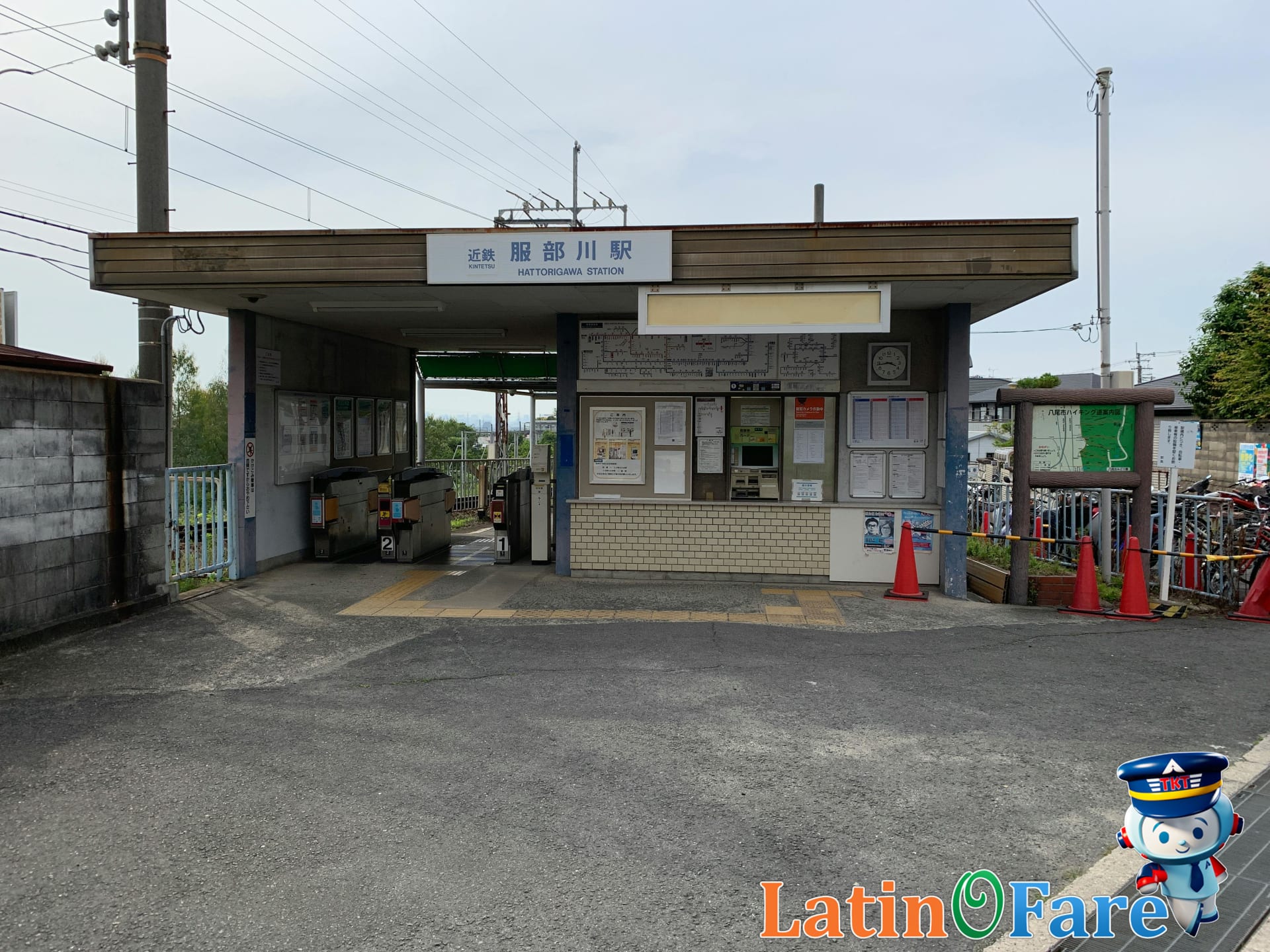
Japan Rail Passes (JR Passes) come in a variety of options, and understanding the differences can really impact your travel budget. The main split is between the National JR Pass, which covers travel across almost all JR trains nationwide, and the various regional passes, which focus on specific areas like Kansai, Hokkaido, or Kyushu. Regional passes can be a smart choice if you’re sticking to one area—they’re usually more affordable and still provide excellent flexibility.
When it comes to duration, both national and regional passes are typically available for 7, 14, or 21 consecutive days. The longer the pass, the more value you get per day, but it only makes sense if you’ll be using the trains frequently. For most travelers, a 7-day pass is enough to cover a whirlwind week of sightseeing, while a 14-day pass works well for longer itineraries.
Another important decision is whether to choose an Ordinary Car pass or the more upscale Green Car pass. Ordinary Cars are comfortable and perfectly fine for most travelers, but Green Cars offer more spacious seating and a quieter atmosphere. Personally, I’d go for the 7-day Ordinary JR Pass for a typical first trip, since it balances cost and coverage without paying extra for upgrades I probably wouldn’t use much.
Eligibility is limited to foreign tourists entering Japan with a temporary visitor visa. Recent changes have affected both pricing and purchase rules—prices increased in late 2023, and some regional passes now have revised coverage. Before buying, double-check details on the official JR Pass website to make sure you have the latest info. If you want to compare the JR Pass with other ways of getting around, check out our post on getting around Japan for a full breakdown of transport options.
What’s Included with the JR Pass

The Japan Rail Pass (JR Pass) covers a lot, but it’s not truly unlimited. You can use it on most Shinkansen bullet trains, except for the Nozomi and Mizuho services on the Tokaido, Sanyo, and Kyushu lines. Instead, you’ll ride the Hikari, Sakura, and Kodama Shinkansen, which still get you across Japan quickly and comfortably.
All local JR trains are included, so you can hop between city neighborhoods or smaller towns without extra tickets. The JR Pass is especially handy for airport transfers—both the Narita Express and the Kansai Airport Express “Haruka” are covered, making arrivals and departures much smoother.
Beyond trains, your pass includes the JR Miyajima ferry (great for a day trip from Hiroshima) and several JR-branded local buses in major cities. However, most non-JR buses and subways require separate payment, so always double-check before boarding. The pass doesn’t cover private railways or specialty sightseeing trains either.
Seat reservations are free with the JR Pass, and I’ve found it worth reserving ahead—especially during holidays or rush hours. You can do this at ticket counters or with JR’s online reservation tools, which also show real-time seat availability. If you travel at off-peak times, you’ll often find unreserved seats without a problem, but I always reserve when carrying luggage or traveling with others.
If you’re bringing larger bags, it’s smart to review current baggage rules for Shinkansen and long-distance trains—this guide on baggage policies in Japan lays out what to expect.
Destinations Covered by the JR Pass

The JR Pass gives you access to an impressive network that covers nearly every corner of Japan. With this single pass, you can hop between major cities like Tokyo, Kyoto, Osaka, Hiroshima, and even Sapporo up north. If you’re dreaming of classic cross-country journeys, the shinkansen (bullet train) routes make it easy to go from Tokyo to Hiroshima in a matter of hours, or from Osaka to Sapporo for a completely different landscape.
One of the best things about the JR Pass is how it supports both spontaneous adventures and well-planned trips. You can decide on a whim to visit a new city, or stick to a mapped-out itinerary—either way, you’re covered. Personally, my favorite route is the Tokyo to Kyoto stretch, especially when you add a stop in Himeji to see the famous castle. If you’re looking for inspiration, check out our Tokyo-to-Kyoto itinerary guide for a detailed breakdown of what you can see along the way.
Because the JR Pass covers such a wide area, it’s ideal for travelers who want to make the most of their time in Japan. Whether you’re city hopping or planning a cross-country adventure, the flexibility and convenience can’t be overstated.
Sample JR Pass Itineraries and Savings

One of the best ways to decide if the Japan Rail Pass (JR Pass) is right for your trip is to compare real itineraries. I’ve run the numbers using fare simulators like Hyperdia, and it’s clear that the pass isn’t always a money-saver—especially for travelers sticking to one region or moving at a slow pace. Here’s how it plays out for a few classic routes.
Tokyo–Kyoto–Osaka–Hiroshima Loop
- Single Tickets: About $270.00 total for Tokyo–Kyoto, Kyoto–Osaka, Osaka–Hiroshima, and Hiroshima–Tokyo (using current average fares).
- 7-Day JR Pass: About $280.00 for unlimited rides on most long-distance JR trains.
For this itinerary, the 7-day JR Pass and single tickets are almost even. If you add any side trips (like Nara or Himeji), the pass quickly becomes the better deal. But if you’re only doing Tokyo–Kyoto round-trip, single tickets might be cheaper.
Hokuriku Region Explorer
- Single Tickets: About $135.00 for Tokyo–Kanazawa, Kanazawa–Toyama, Toyama–Tokyo.
- 7-Day JR Pass: About $280.00 for the same period.
Here, single tickets are much less than the price of the JR Pass. If you’re only visiting a couple of cities in one region, it’s usually not worth it. I’ve noticed travelers sometimes overestimate savings when their plans don’t include enough long-distance rides.
Who Should Get the JR Pass?
The pass is ideal if you’re traveling fast—hitting three or more far-flung cities within a week. It’s less useful if you’re staying put or moving slowly. I’d always compare your planned stops using a fare simulator (like Hyperdia or Jorudan) before buying. For more route ideas, check out our train itinerary suggestions guide.
How to Calculate Your JR Pass Savings

Calculating whether a Japan Rail Pass (JR Pass) will save you money takes a bit of upfront research, but it’s straightforward once you know the steps. I always start by listing my planned train routes—city to city, day by day—then use a fare calculator or route planner to check what each journey would cost individually. My favorite tool is Hyperdia, but Google Maps and the official JR Pass calculator work well too. Just enter your routes and jot down the one-way ticket prices for each leg of your trip.
Once you’ve totaled your regular ticket fares, compare that sum to the current price of a JR Pass. Official prices can change, so I recommend checking the latest rates on the official JR Pass website before you buy. Keep in mind that JR Passes are sold in 7, 14, or 21-day increments, so your travel dates matter. As a budget-minded traveler, I like to run a quick simulation—sometimes I’ll even use a fare simulation walkthrough from a Japan travel blog or check out latinofare.com for up-to-date Japan budget travel tips.
Don’t forget to factor in any special promo fares or regional passes that might cover your routes for less than the nationwide JR Pass. In my experience, this is where you can sometimes save the most, especially if you’re sticking to one region or traveling during a sale period.
Buying and Activating the JR Pass

Purchasing your Japan Rail Pass is pretty straightforward, but knowing where and how to buy it—and how to activate it—makes a big difference in your trip. You can buy the JR Pass through the official Japan Rail Pass website, at certain airport JR offices in Japan, or from authorized travel agents abroad. If you’re considering buying on arrival, check that your airport station has a JR Pass counter or kiosk, as not all do.
To purchase, you’ll need your passport (with a temporary visitor stamp if buying in Japan) and, if you bought online or through an agent, your exchange order (voucher). I usually recommend keeping both your passport and voucher together in an easy-to-reach spot, since you’ll need them for activation.
How to Activate Your Pass
Activating the JR Pass happens at a JR Exchange Office, usually found at major train stations and airports. Bring your passport and exchange order to the counter, fill in a short form, and choose the date you want the pass to start. You don’t have to start using it right away—you can select any day within 30 days. In my experience, I always pick the activation date to match my first long-distance train ride, so I don’t waste a day’s value on short city hops.
Timing is key: activate the pass just before your first intercity journey, not when you arrive, unless you’re heading out of town immediately. For more on airport arrivals and what to expect, check out latinofare.com’s step-by-step guide to Japan airport arrivals if you want to plan your first steps after landing.
JR Pass Budget Breakdown Table

| Budget | Mid-range | Luxury | |
|---|---|---|---|
| Accommodation | $35.00 | $110.00 | $320.00 |
| Food | $18.00 | $45.00 | $110.00 |
| Transport (JR Pass) | $30.00 | $30.00 | $30.00 |
| Transport (Single Tickets) | $55.00 | $55.00 | $55.00 |
| Activities | $15.00 | $40.00 | $100.00 |
This table lays out typical daily costs for three different Japan travel styles, with transport separated into JR Pass and single ticket options. It’s designed to help you estimate your total daily budget and see where the JR Pass can save you money, especially if you’re planning several long-distance train rides. For example, using the JR Pass for a budget trip drops daily transport costs from about $55.00 to $30.00, which adds up quickly over a week. If you’re planning a mid-range trip, you’ll notice the pass still offers solid value, but it’s especially helpful for budget travelers covering a lot of ground. Personally, I’d choose the mid-range style since I like a comfortable hotel and a mix of local eats without splurging every day—it fits my pace and lets me enjoy more experiences without stressing over every dollar.
To make the most of your budget, use this table to compare the total cost of your planned itinerary with and without the JR Pass. If you want more detailed tips on planning affordable trips, check out our guide to latinofare.com for practical budgeting resources and advice.
Frequently Asked JR Pass Questions
- Who is eligible to buy the Japan Rail Pass?
The Japan Rail Pass is available only to travelers entering Japan under a “temporary visitor” status, typically for tourism. Japanese nationals living abroad with certain conditions may also qualify. It’s important to check your passport stamp upon arrival to confirm you have the correct status for eligibility.
- Can I use the Japan Rail Pass on all Shinkansen trains?
The Japan Rail Pass covers most Shinkansen lines, but you can’t use it on the Nozomi and Mizuho trains. You’ll need to take Hikari, Sakura, or Kodama services instead. I usually recommend double-checking route maps before planning your travel days, especially if you’re on a tight schedule.
- Is the Japan Rail Pass worth it for a short trip?
If you’re only visiting one city or taking short, local trips, the Japan Rail Pass may not save you money. However, for travelers planning long-distance journeys—like Tokyo to Kyoto or Hiroshima—the pass can offer significant savings and flexibility. Always compare individual ticket costs before purchasing.
- How do I activate my Japan Rail Pass after arrival?
Once you arrive in Japan, take your exchange order and passport to a JR Pass office at a major train station or airport. Staff will verify your documents and let you pick your start date, which can be up to 30 days ahead. Activation is only possible in person at these offices.
- Can I reserve seats with the JR Pass?
Yes, you can reserve seats for free on eligible JR trains at ticket machines or JR service counters. For popular routes or during busy holidays, I always recommend making reservations as soon as you know your travel dates to avoid standing on crowded trains.
- Where can I find more tips on using the Japan Rail Pass?
For more practical advice, check out this helpful latinofare.com guide to Japan train travel. You’ll find planning tips, booking suggestions, and ways to get the most value from your pass, especially if you’re new to navigating Japan’s rail system.
Should You Buy The JR Pass?
The Japan Rail Pass is a real money-saver if you’re planning multiple long-distance train rides within a week or two—especially if you’ll travel between cities like Tokyo, Kyoto, and Hiroshima. For slower-paced trips, or if you’ll spend most of your time in one region, local passes or individual tickets might be a better fit. I usually weigh up my itinerary, then check current prices and routes before making the call.
In short, the JR Pass is “worth it” when your travel plans include several intercity journeys on JR lines. If you’re still uncertain, don’t hesitate to use planning tools or reach out to a travel support center. You can always get guidance through the latinofare.com deals page or support team if you want a second opinion before buying.