
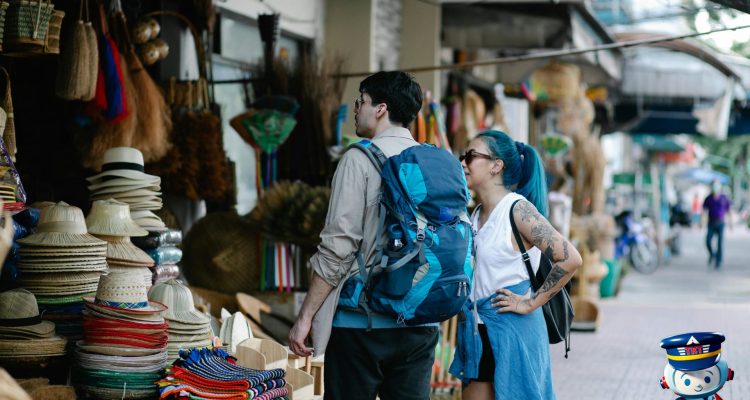
Protecting Yourself from Tourist Scams
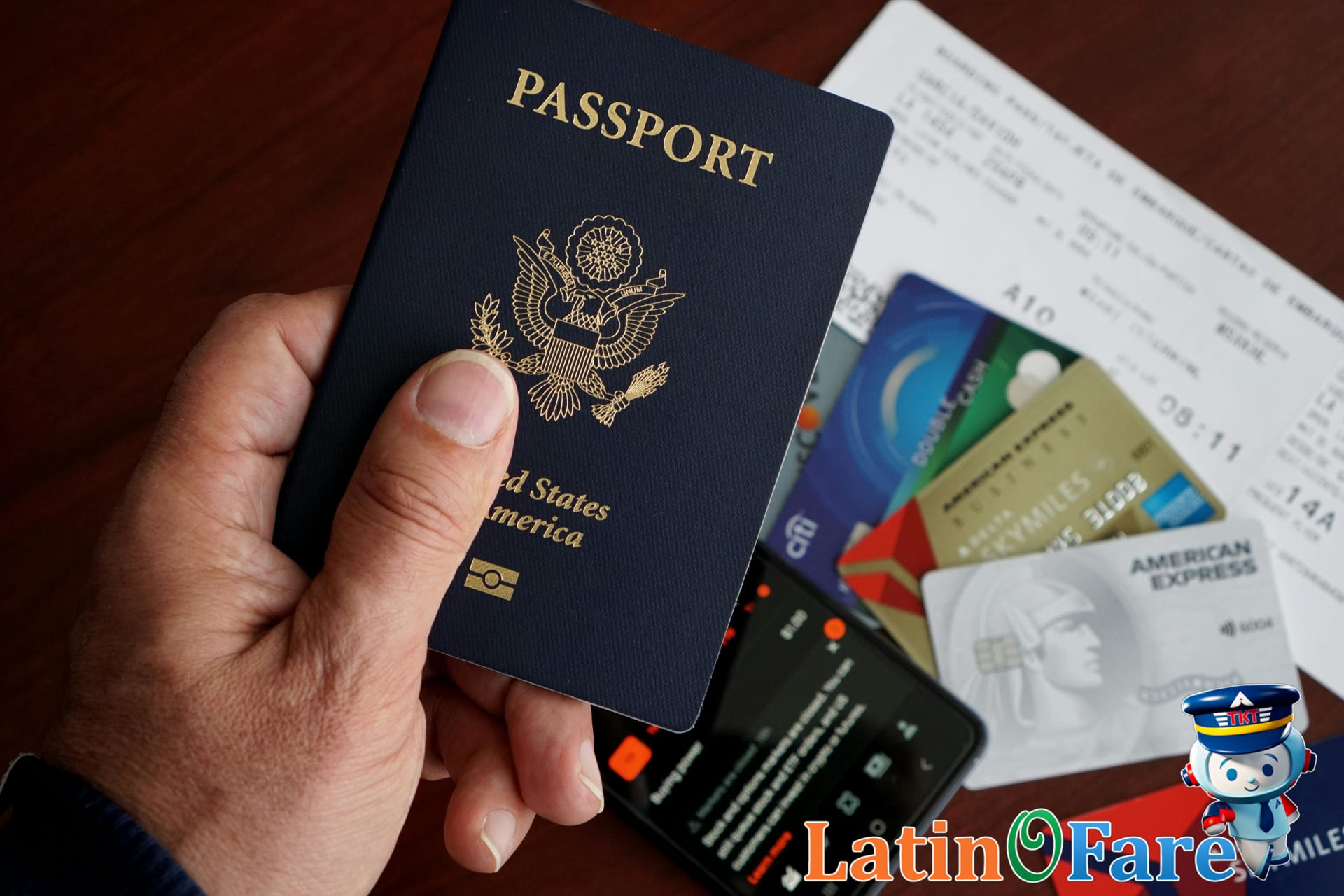
Travel can be one of life’s most rewarding experiences, but nothing sours a trip faster than falling for a clever scam. Tourist-targeted cons—like fake taxi meters, distraction thefts, or bogus tour operators—can turn an exciting adventure into an expensive lesson. That’s why I always recommend researching the most common scams in your destination before you go. It’s especially important for budget and independent travelers, who often rely on their own instincts and planning to avoid trouble.
I nearly got caught myself when a friendly “official” approached me at a busy train station overseas, insisting I needed to pay an extra “entry fee.” Because I’d read about this exact scam on a travel advisory board beforehand, I recognized the red flag and walked away—saving both my wallet and my mood. Experiences like that taught me that a few minutes of online research can make all the difference.
Resources like latinofare.com make it easier to find affordable flights and accommodations, but it’s still up to us as travelers to stay alert. If you’re new to international travel, you might want to check out these tips for avoiding beginner travel mistakes as part of your trip prep. You can also review official government travel warnings for the latest scam alerts in your destination.
How To Spot Fake Taxi Scams
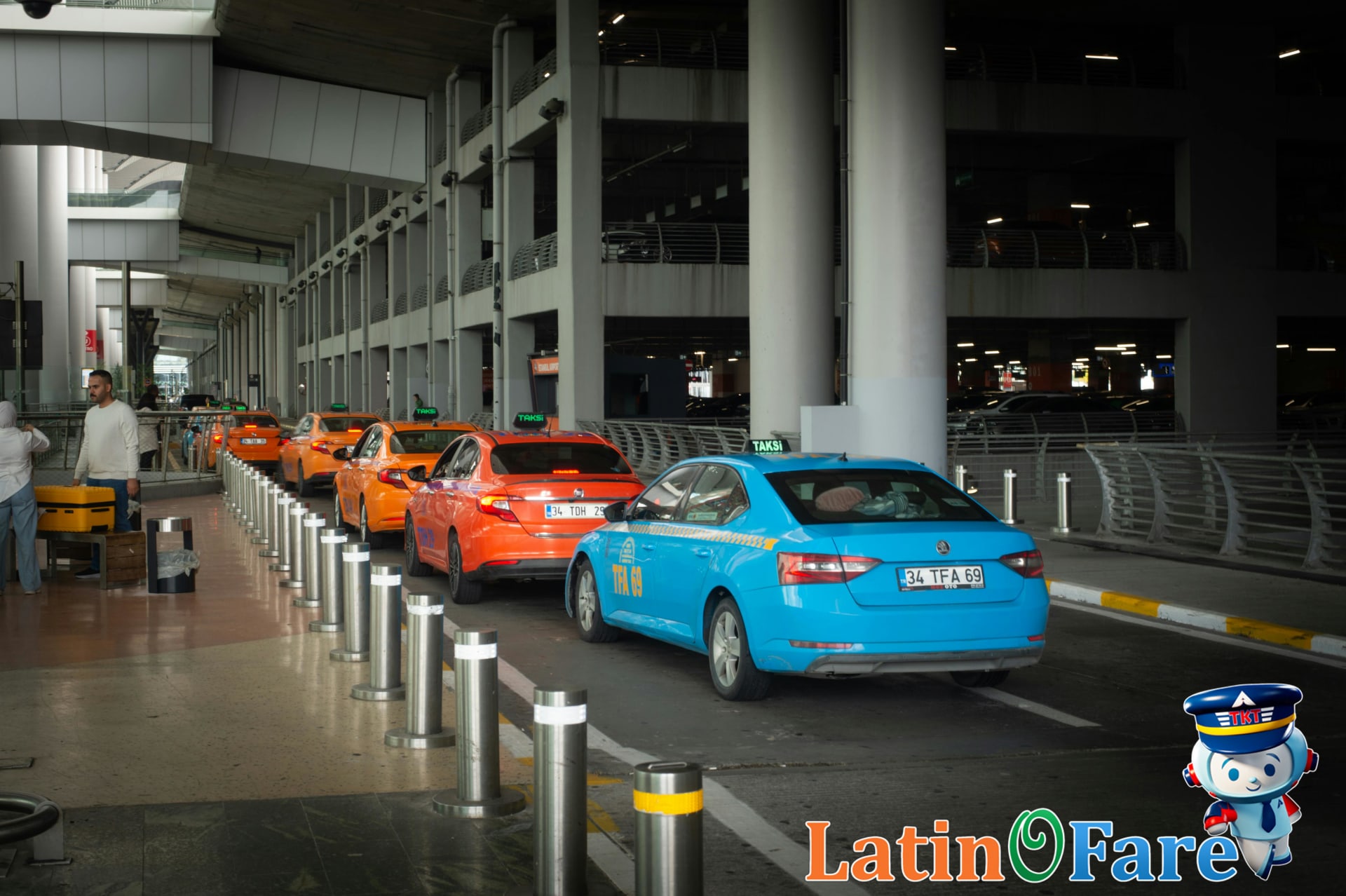
Fake taxi scams are unfortunately common in busy cities, especially at airports, bus terminals, and tourist hotspots. Unlicensed taxis may look similar to real ones but often lack visible permits, have no meter, or display fake logos. Some drivers pose as rideshare contacts but try to negotiate a cash fare outside the app. Others use tampered meters or take longer routes to inflate the price.
After a local warned me about taxi scams at the airport, I immediately made it a habit to check for an official license sticker, a clear company logo, and a visible meter before getting in. Here’s a checklist I rely on in new destinations:
- Check for a visible taxi license and driver ID inside the car.
- Use only official taxi stands or request rides through trusted apps.
- Verify the car’s plate and driver details match your app booking.
- Ask your hotel or host for recommended taxi companies or apps before you arrive.
At major airports, I always pause to scan the taxi line for posted rates and official uniforms. If something feels off, I’ll ask airport staff or my accommodation for help arranging a ride. Hotels often have a list of reliable providers, and I’ve found their advice especially useful when booking airport transfers. For more tips on safe airport arrivals and transfers, check out the latinofare.com travel blog for practical guidance.
Spotting Distraction Scams On The Street
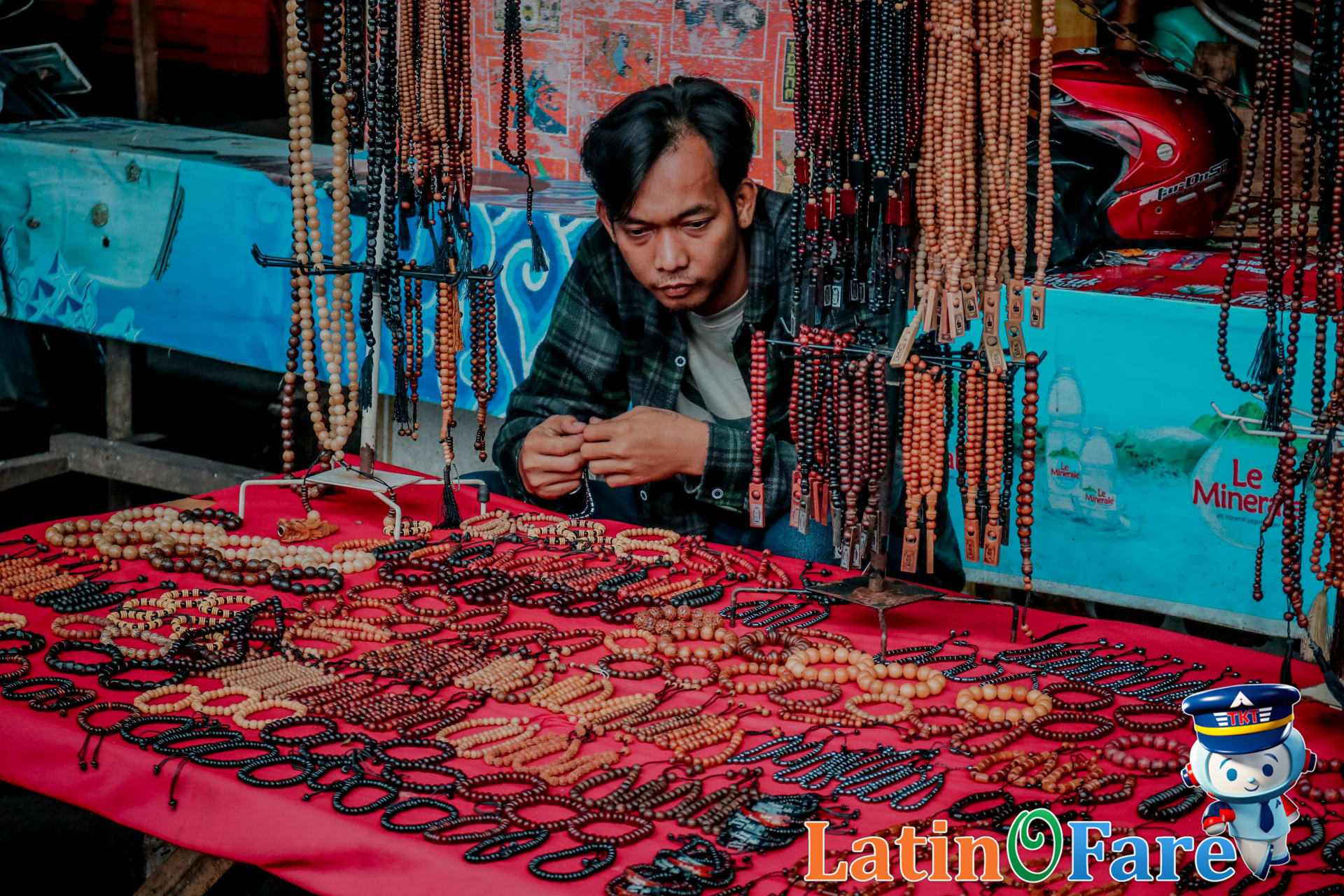
Distraction scams thrive in busy city squares and tourist hotspots. The friendship bracelet trick is one of the most common: someone approaches, often smiling, and tries to tie a bracelet on your wrist “as a gift.” The moment your attention is on your hand, an accomplice might target your bag or pocket. I once watched this play out in a crowded plaza—while the tourist protested, another person circled behind, eyeing their backpack.
Other distraction tactics include people waving clipboards, asking you to “sign for a cause.” Groups of children may also crowd around, creating confusion while one tries to grab your wallet. These scams work because they break your focus and use social pressure to keep you engaged.
Deflecting Scammers On The Go
If someone insists on giving you a bracelet or shoves a petition at you, keep your hands visible and calmly say “No, thank you,” without stopping or making eye contact. Don’t let anyone grab your wrist or block your path. I usually keep my bag zipped and in front of me, and I recommend reviewing a safe travel packing checklist before your trip for extra peace of mind.
How To Avoid Pickpocketing In Crowds
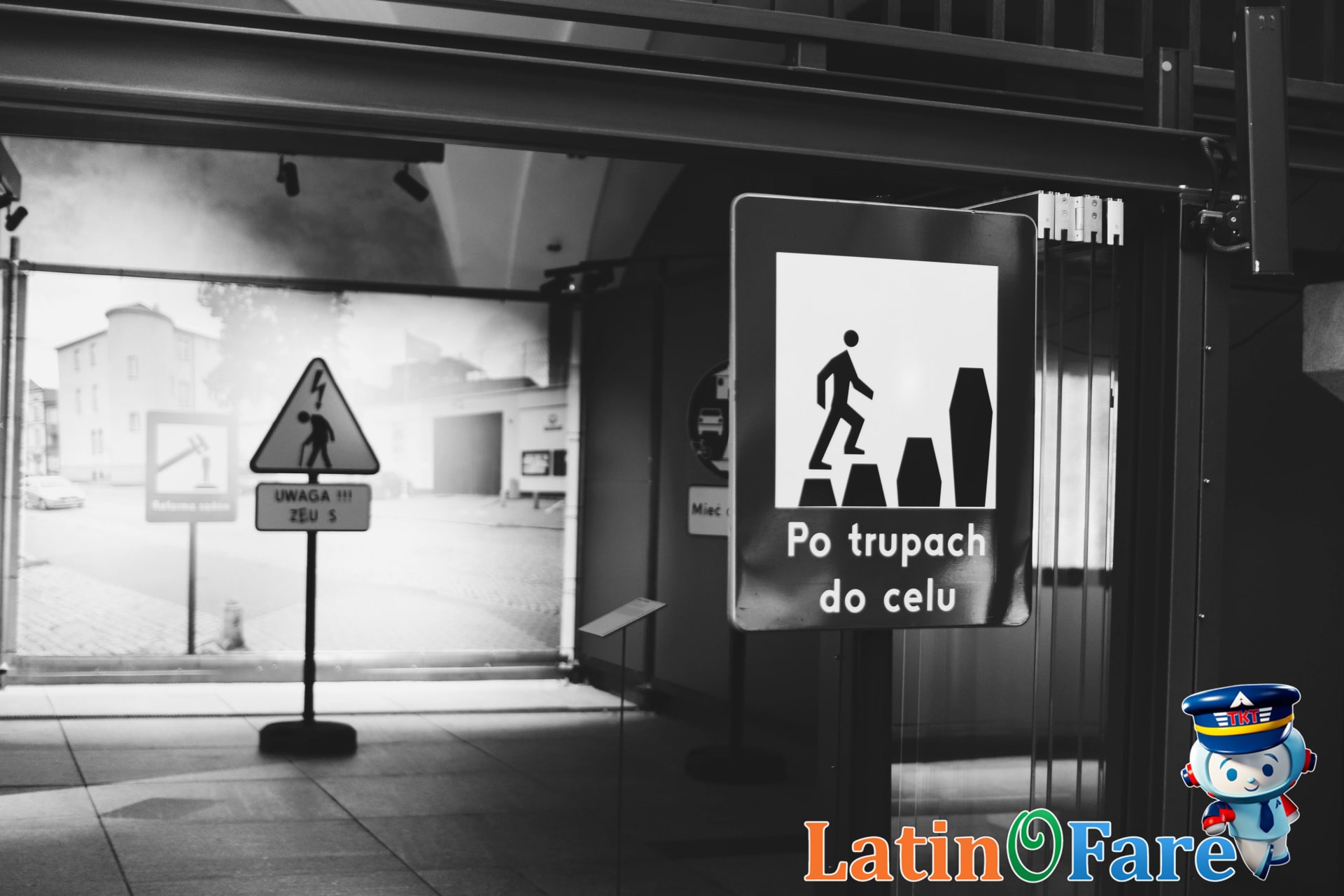
Crowded plazas, metro stations, and busy tourist streets are prime hunting grounds for pickpocket gangs. These groups often work in teams: one distracts you—maybe with a dropped item or a “helpful” local—while another quietly slips your wallet from your pocket or bag. I’ve seen distraction tricks like sudden commotions or someone “accidentally” bumping into you, especially near popular monuments and public transit. If you want more advice for public transport, check out our tips for staying safe on public transportation guide.
To protect yourself, I always recommend splitting valuables: keep your cash in a travel belt under your shirt, cards in a hidden pocket, and only a small amount of local currency handy. I personally use an anti-theft crossbody bag with locking zippers—it’s made a noticeable difference in how secure I feel in crowded markets and subway cars. Travel wallets, hidden pouches, and even simple safety pins on your backpack zippers can slow down a thief. Stay alert when someone tries to engage you unexpectedly, and never let your bag dangle behind you in a crowd.
How To Spot Fake Police Scams
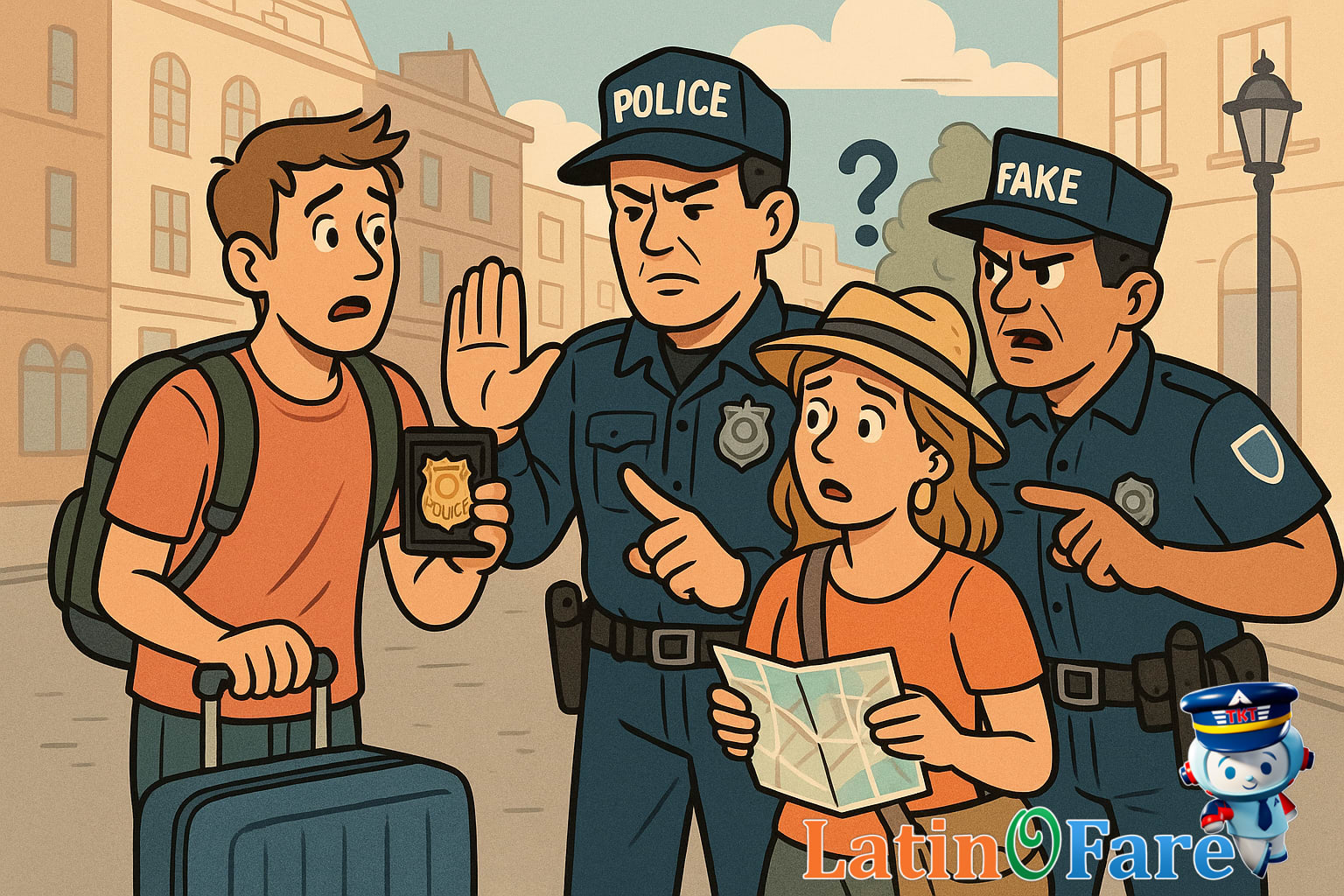
Fake police scams are a real threat in many popular destinations, especially around busy tourist spots. Scammers often dress in convincing uniforms and approach travelers, claiming to check passports or search for counterfeit money. I almost handed over my passport to someone in a police vest once, but paused when they avoided showing proper ID. That hesitation probably saved me a lot of trouble.
Common Tricks and Safe Responses
Scammers may demand to see your documents, accuse you of minor offenses, or insist on an on-the-spot fine—usually in cash. If you’re approached, ask to see their official photo ID and badge. Never hand over your passport or wallet; instead, show a photocopy if possible. If they persist, suggest moving the conversation to a police station or a busy public place. Getting a bystander involved can also discourage a scammer.
What To Do If Approached
If you feel uneasy, calmly refuse to pay any cash fines or surrender valuables. Step away to a crowded area and call the local emergency number. I’d also recommend having your embassy or consulate contact info saved in your phone, so you can quickly escalate if things get tense. Most embassy websites offer guidance on what to do if you’re targeted by fake police.
How To Spot Fake Ticket Vendors
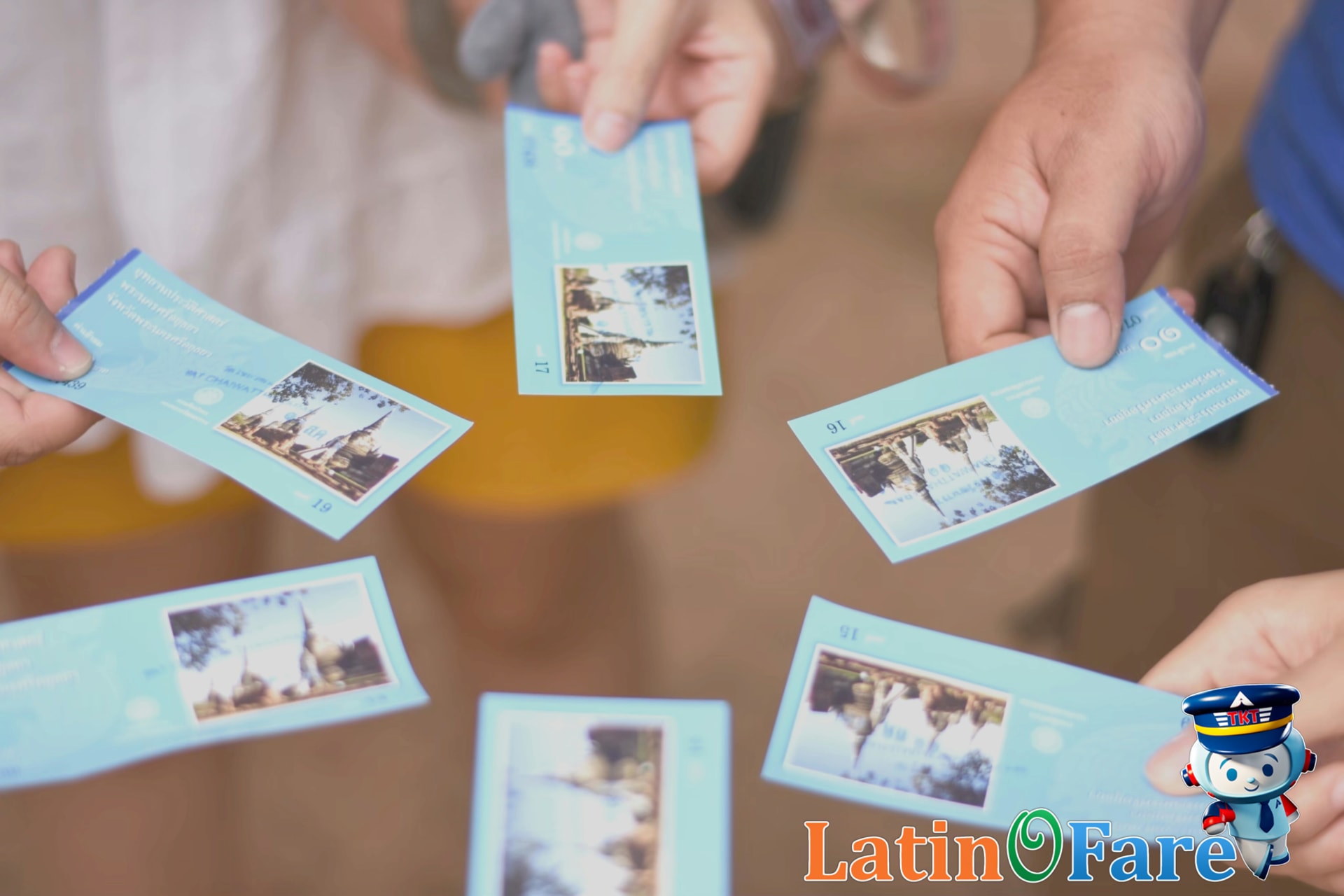
Counterfeit tickets are a real risk in busy tourist areas, especially outside popular attractions, concert venues, and bus terminals. Street vendors may approach with what look like genuine tickets, but these are often fake and will leave you stranded or denied entry. I once found myself tempted by a ticket seller near a famous museum, but a quick gut check led me to walk away and buy from the official website instead.
To avoid scams, always purchase tickets at authorized kiosks, venue counters, or directly from official websites. If you’re offered a ticket on the street or through an unfamiliar online seller, pause and double-check. Look for clear receipts, and if you receive a digital ticket, scan the QR code at the venue’s official entrance before trusting it. Official points of sale are usually listed on the attraction or event’s website—if you’re unsure, search for the venue’s ticketing page and compare details.
Remember, deals that seem “too good to be true” almost always are. It’s better to pay a little extra for peace of mind than to lose your money and miss out on your plans.
Spotting Restaurant and Bar Scams

Busy tourist areas are prime spots for restaurant and bar scams, especially when menus are unclear or prices seem too good to be true. Overcharging can happen in subtle ways—servers might “forget” to mention expensive specials, or menus may lack prices for certain items. Sometimes, you’ll find surprise service fees, bread or water charges, or unfamiliar add-ons tacked onto the final bill.
Red flags I watch for include missing prices on menus, vague descriptions, and bills that list items I didn’t order. My personal habit is to always check the bill line by line before paying, no matter how crowded or rushed the place feels. I compare what’s on the bill with what I actually ordered, and I don’t hesitate to ask the staff to explain any unfamiliar charges.
If you spot a problem, stay calm and politely point out the discrepancy. Most places will correct honest mistakes, but if you’re being pressured or the charges aren’t removed, it’s okay to stand your ground or simply walk away if you haven’t paid yet. Being alert can save you from unnecessary expenses and awkward situations.
How To Avoid ATM And Currency Scams
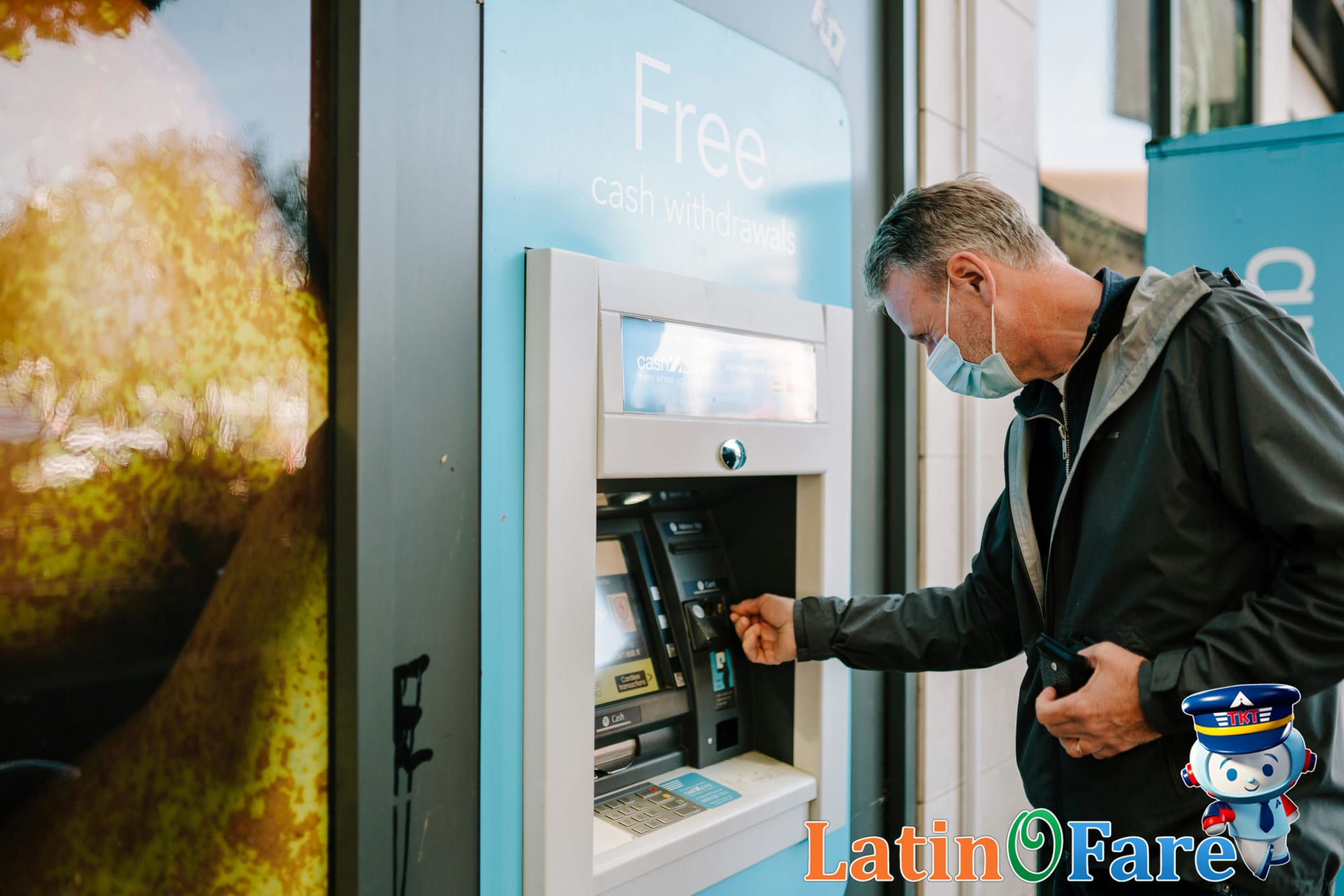
ATMs and currency exchange outlets can be hotspots for scams targeting travelers. Street-level ATMs are often riskier—I’ve made it a rule to seek out machines inside banks or secure shopping centers, where tampering is less likely. Before inserting my card, I always check for loose parts or card skimmers and shield the keypad while entering my PIN. If an ATM prompts me to accept a conversion to U.S. dollars, I decline. These “dynamic currency conversion” offers usually come with unfavorable rates that quietly eat away at your travel budget.
When exchanging cash, I stick to official bank counters or reputable exchange desks, never the “helpers” who linger outside airports or busy tourist zones. They often promise better rates, but hidden fees or sleight-of-hand tricks can cost you much more. It pays to know the current exchange rate and do the basic math yourself, so you spot a bad deal right away. If something about a machine or outlet feels off, I simply walk away and look for another option.
Safe Digital and Wi-Fi Practices Abroad

Using public Wi-Fi in airports, hotels, or cafés can be risky—especially in busy tourist areas where scammers target travelers. Open networks make it easier for hackers to skim your login details, intercept sensitive data, or trick you with phishing pop-ups. I’ve learned to avoid accessing bank accounts or entering passwords on public computers or unsecured Wi-Fi, no matter how convenient it seems.
Best Digital Defense Steps
Before connecting, I always enable a reputable VPN to encrypt my traffic and reduce snooping risks. It’s also smart to turn on two-factor authentication for your accounts and never click on unknown links, even if they look official. Good password hygiene—using unique, complex passwords and a password manager—goes a long way in keeping your info safe.
Key Settings Before You Travel
- Update device software and apps
- Disable auto-connect to open Wi-Fi networks
- Back up your data securely
- Set strong device passcodes
- Install a trusted VPN app
If you’re interested in more ways to keep your devices safe, check out our guide on travel mobile device security tips for practical steps before your next trip.
Security Investment: Travel Budget Table
It’s easy to focus on finding the lowest prices, but I always prioritize secure accommodation over cutting corners—especially in destinations where safety is a concern. Spending a little extra on things like sturdy luggage locks, a local data SIM, or a hotel with good security can save you from much bigger headaches down the road. Here’s a breakdown of how security-related costs fit into typical travel budgets:
| Budget | Mid-range | Luxury | |
|---|---|---|---|
| Accommodation (hostel locker, basic hotel safe) |
$30.00 | $80.00 | $200.00 |
| Food (secure café Wi-Fi, bottled water) |
$10.00 | $25.00 | $60.00 |
| Transport (official taxi, reputable bus company) |
$8.00 | $25.00 | $70.00 |
| Activities (guided tour, anti-theft bag, data SIM) |
$12.00 | $40.00 | $110.00 |
In my experience, opting for secure lodging is usually the smartest investment—an extra $10.00 or $20.00 can mean a safer neighborhood, better locks, and peace of mind. If you want more budgeting strategies, check out our post on budgeting for international travel for practical tips on stretching your funds while staying protected.
Tourist Scams and Travel Safety FAQ
- What are warning signs of a tourist scam?
Common warning signs include strangers approaching with offers that seem unusually generous, requests for immediate payment, or distractions like staged accidents or arguments. I’ve noticed that if someone pressures you to decide quickly or tries to separate you from your belongings, it’s smart to be extra cautious and politely decline any unsolicited help.
- How can I avoid taxi scams in new cities?
Always use licensed taxis from official stands or trusted ride-hailing apps. Before getting in, confirm the fare or ensure the meter is running. If you’re unsure about local rates, ask your hotel or check local travel forums for typical costs. I usually keep small bills handy to avoid disputes over change.
- What should I do if I’m scammed abroad?
Stay calm and gather as much detail as possible, such as names, locations, and receipts. Report the incident to local authorities and your embassy if needed. Contact your bank if your cards or money are involved. Keep a digital copy of important documents, as this can speed up the reporting process and help with insurance claims.
- Are digital scams really common for travelers?
Yes, digital scams are increasingly common. Criminals target travelers with fake Wi-Fi networks, phishing emails, or fraudulent booking sites. Always use secure, password-protected Wi-Fi and avoid clicking on suspicious links. From my experience, using a VPN and booking only through reputable platforms like latinofare.com keeps your data safer.
- How does LatinoFare help me travel safely?
latinofare.com offers customer support in case you run into booking issues or need travel assistance. Their team can help verify legitimate bookings and provide guidance if you experience suspicious activity. I recommend checking their travel alerts page for up-to-date safety information before your trip.
- What are the most reported tourist scams worldwide?
Some of the most reported scams include fake charity collections, overcharging taxis, rigged currency exchanges, and distraction thefts. Watch for people offering unsolicited help at ATMs or train stations. According to official travel advisories, pickpocketing in crowded tourist spots is also among the most frequent scams travelers face globally.
Stay Aware, Travel Smart
Staying vigilant and learning proactively are your best defenses against travel scams and mishaps. Throughout this article, we’ve covered how double-checking offers, trusting your instincts, and using trusted booking sources can help you avoid common pitfalls. In my own travels, I’ve seen how a little extra caution—like verifying details and reading the fine print—makes a big difference in both safety and peace of mind.
Travel is always more enjoyable when you’re prepared. By learning from your own experiences and taking note of others’ cautionary tales, you’ll build stronger habits and travel more confidently. Reliable platforms such as latinofare.com can help you stay informed and protected, but it’s your awareness and preparation that truly make the journey safer. These days, I never skip a quick background check before booking—and it’s made my adventures a lot smoother.