
Getting Around Los Angeles Affordably
Los Angeles is famous for its sprawling layout, and getting from one neighborhood to another can feel overwhelming if you’re new to the city. Planning your transit ahead of time really pays off here, especially if you want to see more than just the tourist hotspots without blowing your budget. On my first trip, I was surprised by how much ground I could cover using a mix of LA Metro trains, local buses, and the occasional rideshare. Using Google Maps’ transit feature helped me avoid confusion on my first day, making my morning commute much smoother than I expected.
With a bit of preparation, you can explore vibrant areas like Hollywood, Santa Monica, and Downtown without the stress of driving or parking. Apps and city maps make it easy for newcomers to check real-time schedules, plan routes, and even spot the fastest connections. I found that using these tools gave me the confidence to try new routes and saved me money compared to relying only on rideshares or taxis. If you’re planning your own trip, I’d recommend checking out the full Los Angeles destination guide from latinofare.com for more practical tips and local insights.
How To Navigate LA Metro Rail Lines

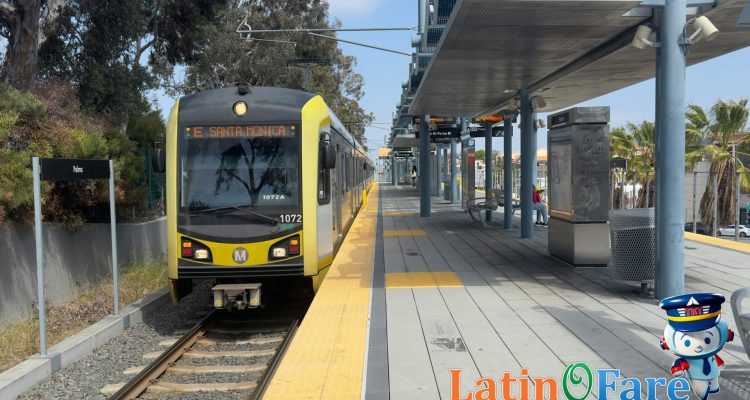
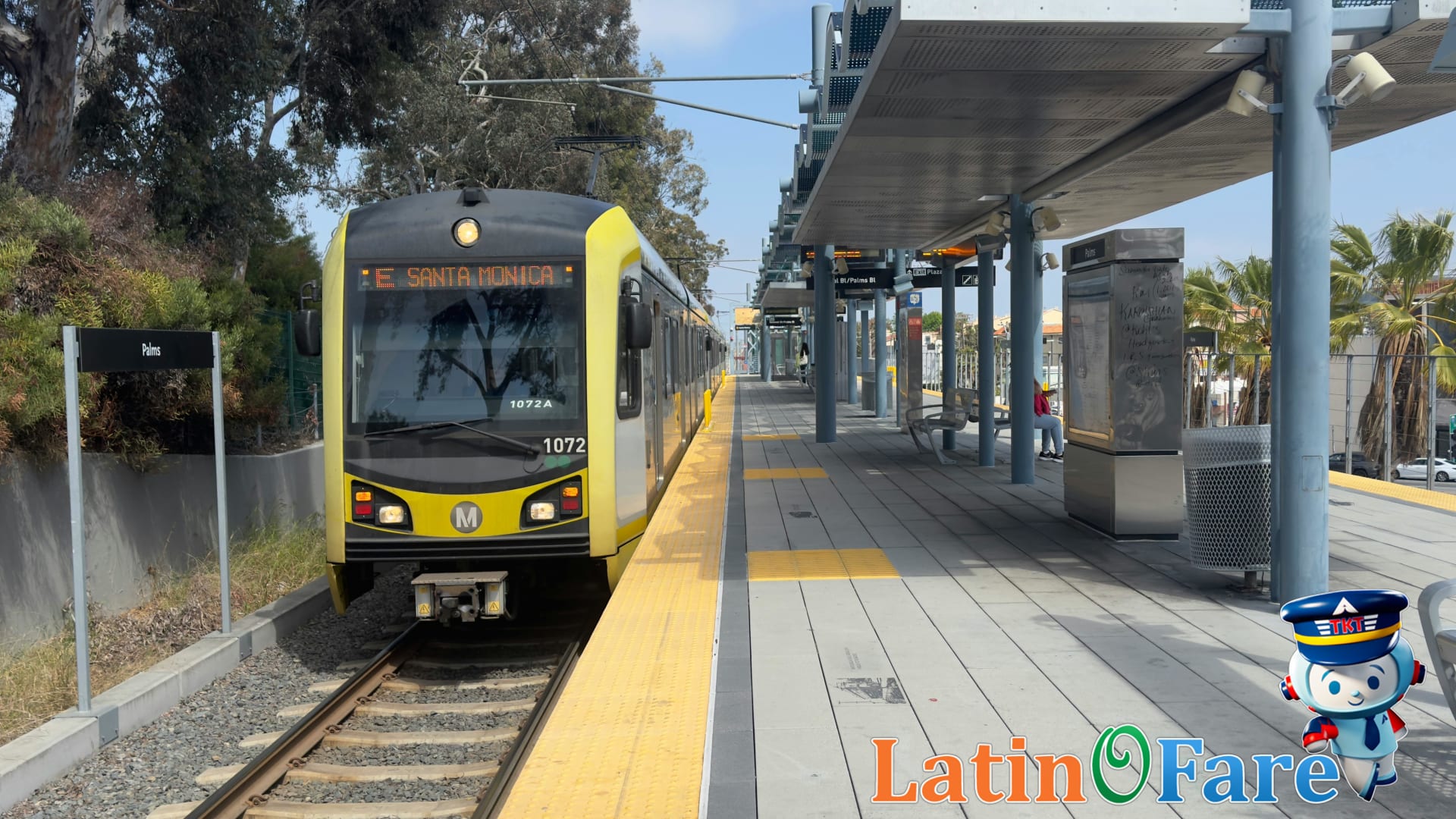
The LA Metro Rail system connects much of the city, and knowing the main lines can make exploring Los Angeles a lot easier. The Expo Line (now called the E Line) is especially useful for tourists—it runs from Downtown LA to Santa Monica, dropping you just blocks from the beach and the Santa Monica Pier. Taking the Expo Line to Santa Monica was the easiest way I reached the beachfront from downtown.
The Red Line is another favorite for visitors. It travels between Union Station and North Hollywood, with stops at Hollywood/Highland (for the Walk of Fame), Universal City (for Universal Studios), and downtown attractions. The Purple Line branches off the Red Line at Wilshire/Vermont, serving Koreatown and heading west. The Gold Line (now the A Line) connects Union Station with Pasadena and East LA, while the Blue Line (now part of the A Line) links downtown with Long Beach.
Key Transfer Points & Airport Access
Union Station is the central hub for LA Metro Rail, making it easy to switch between lines. If you’re flying into LAX, the Metro’s C Line (Green) connects to the LAX Shuttle at Aviation/LAX station. For up-to-date details, I recommend checking the official LA Metro map and timetables before your trip. If you’re planning a trip to LA, you can also look for cheap LAX flights on latinofare.com.
Buying and Reloading TAP Cards
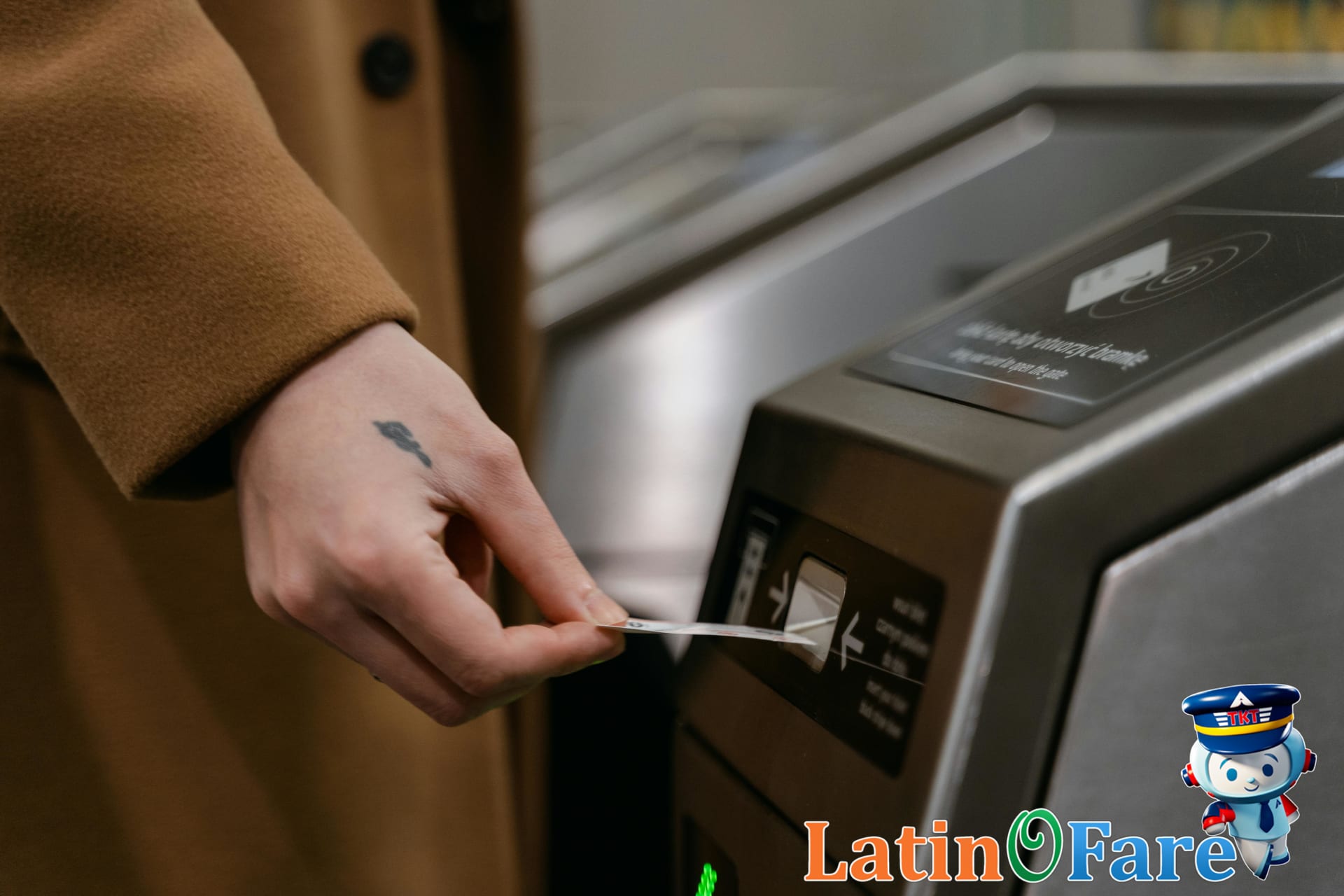
All Metro Rail rides require a TAP card—a reusable fare card you can buy and reload at station vending machines, many convenience stores, or online. I usually pick one up at the airport or Union Station to avoid lines later. Reloading is fast at any Metro Rail station.
Practical Tips for Riding
Most Metro Rail lines run from early morning until late at night, but schedules can vary, especially on weekends. Try to avoid weekday rush hours (roughly 7–9 a.m. and 4–6 p.m.) for a more relaxed ride, especially if you’re carrying luggage or traveling in a group.
Getting The Most From LA Buses
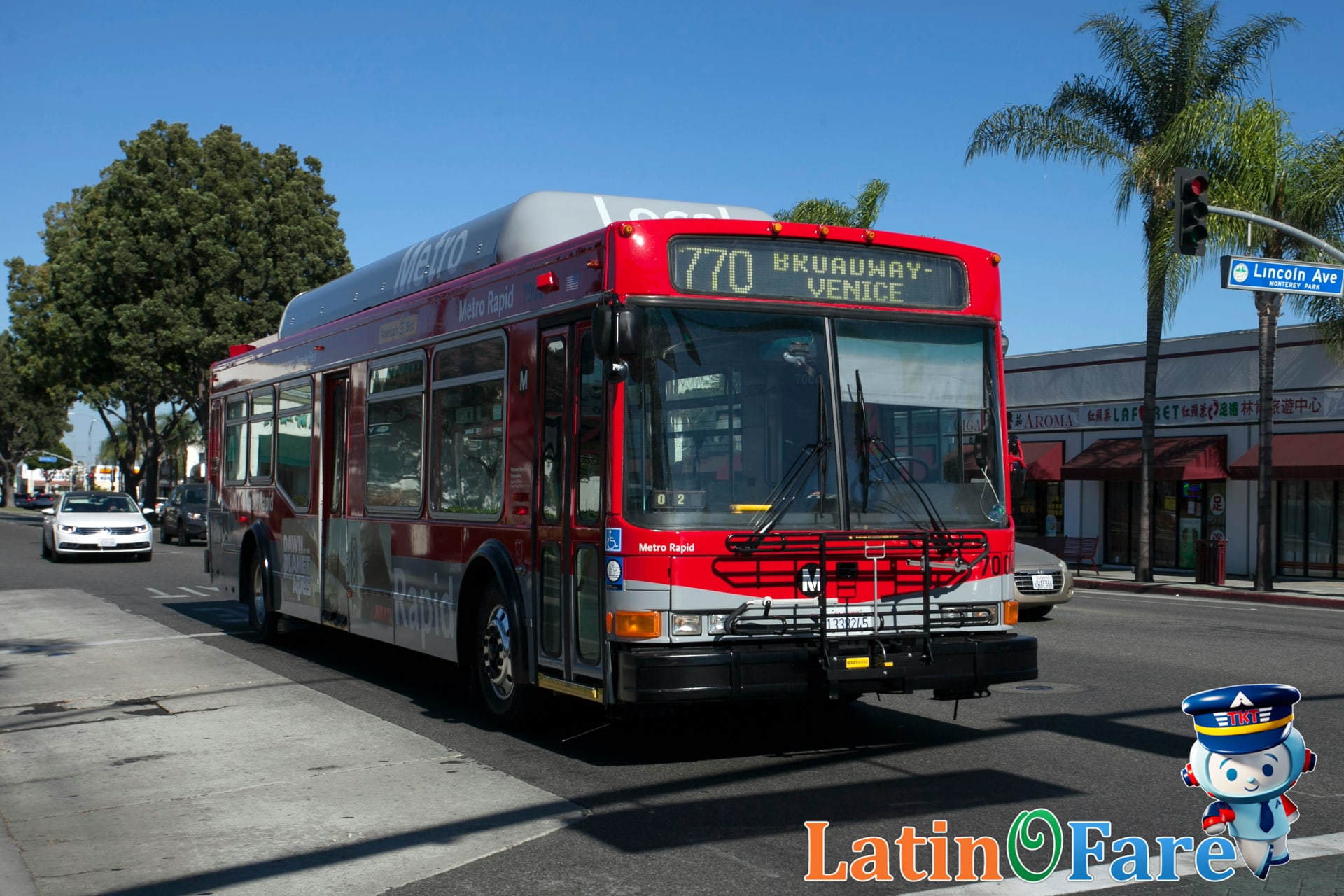
Los Angeles Metro buses cover a huge area, running frequently on main streets and offering several types of service. If you’re looking to save time, keep an eye out for the red Rapid and Limited buses—they skip many stops and zip along major corridors like Wilshire and Vermont. Night owl? Many routes run late, though expect longer waits after midnight.
I learned pretty quickly that having a TAP card makes life easier. You can use it on all Metro buses (and trains), and it’s the only way to transfer for free between lines. On my first ride, I forgot to load enough value and had to scramble for exact change—drivers don’t carry any, so be prepared.
LA bus stops are marked with clear signage, and many have digital boards showing real-time arrivals. I usually double-check the route number on the front and side of the bus before boarding. During rush hour, buses can get crowded and move slower, but riding after 10 a.m. or before 4 p.m. is much more relaxed. If you’re new to city buses, I’d recommend reviewing latinofare.com‘s tips for using public transportation in big U.S. cities before your trip.
Managing Transfers and Timings in LA
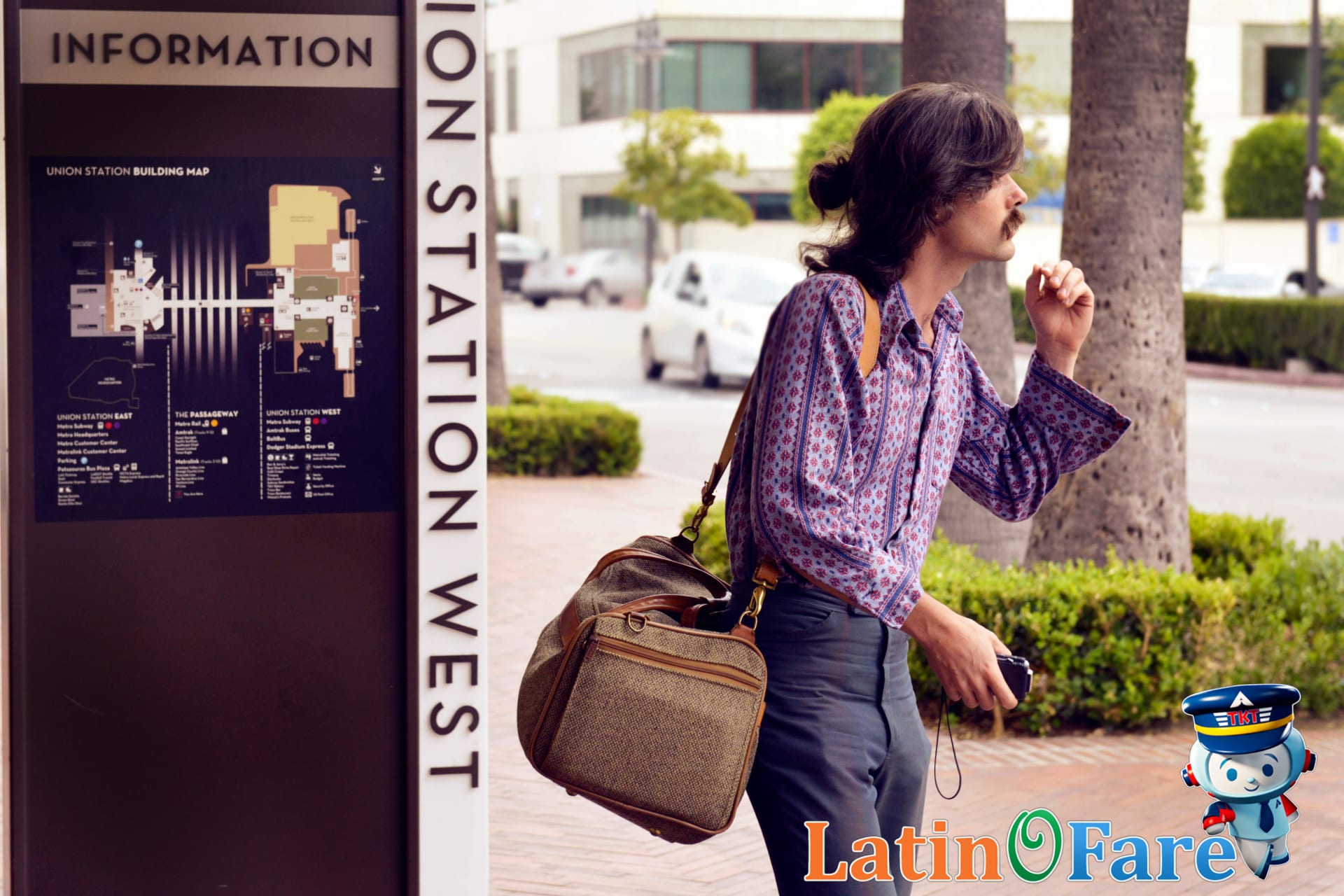
Transfer points in Los Angeles—especially at major hubs like Union Station or 7th Street/Metro Center—can be chaotic, with crowds and unpredictable wait times. Even with a well-planned itinerary, delays and packed platforms are common, so it’s smart to expect some gaps between trains and buses. I once missed a bus by just two minutes at a busy transfer hub, which turned a quick connection into a 25-minute wait. Since then, I always allow at least a 10-minute cushion for every transfer.
Understanding LA Metro’s transfer policy is crucial to avoid being double-charged when switching between Metro lines or from Metro to a regional bus. The official LA Metro site and app outline how transfers work and when you need to tap your TAP card again. If you’re unsure, I’d recommend checking their guidance before your trip—especially if your itinerary includes both Metro and municipal bus lines.
For real-time updates, I rely on transit apps like Transit or the official LA Metro app, which provide alerts about delays, platform changes, and bus arrivals. These tools help you adjust on the fly, whether you need to reroute to avoid a missed connection or spot a less crowded bus. If your travel plans are flexible, consider reading our guide to saving money by traveling off-peak—it’s easier to make smooth transfers when crowds are lighter.
Optimizing Rideshare For Los Angeles Trips

Deciding when to use Uber or Lyft in Los Angeles really comes down to weighing convenience against cost. For most daytime trips along Metro lines or major bus routes, public transit is the clear budget pick. But late at night, or if you’re headed somewhere the Metro doesn’t reach easily, rideshare can be worth the extra dollars—especially if you’re short on time or safety is a concern. I’ve personally opted for a late-night Uber from a Metro endpoint rather than risk a long wait at an empty station, and that small fare felt like money well spent.
Airport runs are another situation where rideshare shines. At LAX, for example, you’ll need to head to a designated pickup zone (check the official LAX rideshare info for the latest details). Be aware that surge pricing often kicks in during peak hours or after big events, so fares can spike unexpectedly. Before booking, always check fare estimates in both Uber and Lyft apps—sometimes the difference is significant.
If you want to save, pair public transit with a short rideshare hop. For example, you might take the Metro close to your destination, then use Uber or Lyft for the final stretch. This hybrid approach often costs less than a full rideshare trip and saves you from long walks or unreliable late-night buses.
Strategic LA Transit Planning Tips
Getting around Los Angeles efficiently means mixing and matching your transit options. I always start by checking Metro and bus schedules in advance, especially for days with multiple stops. Metro lines are fast for long stretches, but buses fill in the gaps when you’re venturing beyond the main routes. Planning your route by neighborhood helps you avoid unnecessary transfers and keeps your day on track.
For flexibility, I keep a rideshare app handy as a backup, especially if I’m running late or the bus frequency drops in the evening. Pre-saving my most-used routes in a transit app has saved me a ton of time—no more fumbling with maps when I’m in a hurry. My go-to was the Metro Red Line, then a bus west, and a quick Uber for the last mile to Venice Beach. This combo was both budget-friendly and reliable, letting me skip LA’s notorious parking headaches.
Mixing Metro, bus, and rideshare options gives you the flexibility to see more of LA without blowing your budget or wasting hours in traffic. It’s all about matching the right mode to each leg of your trip for a smoother journey.
Los Angeles Transit Budget Table
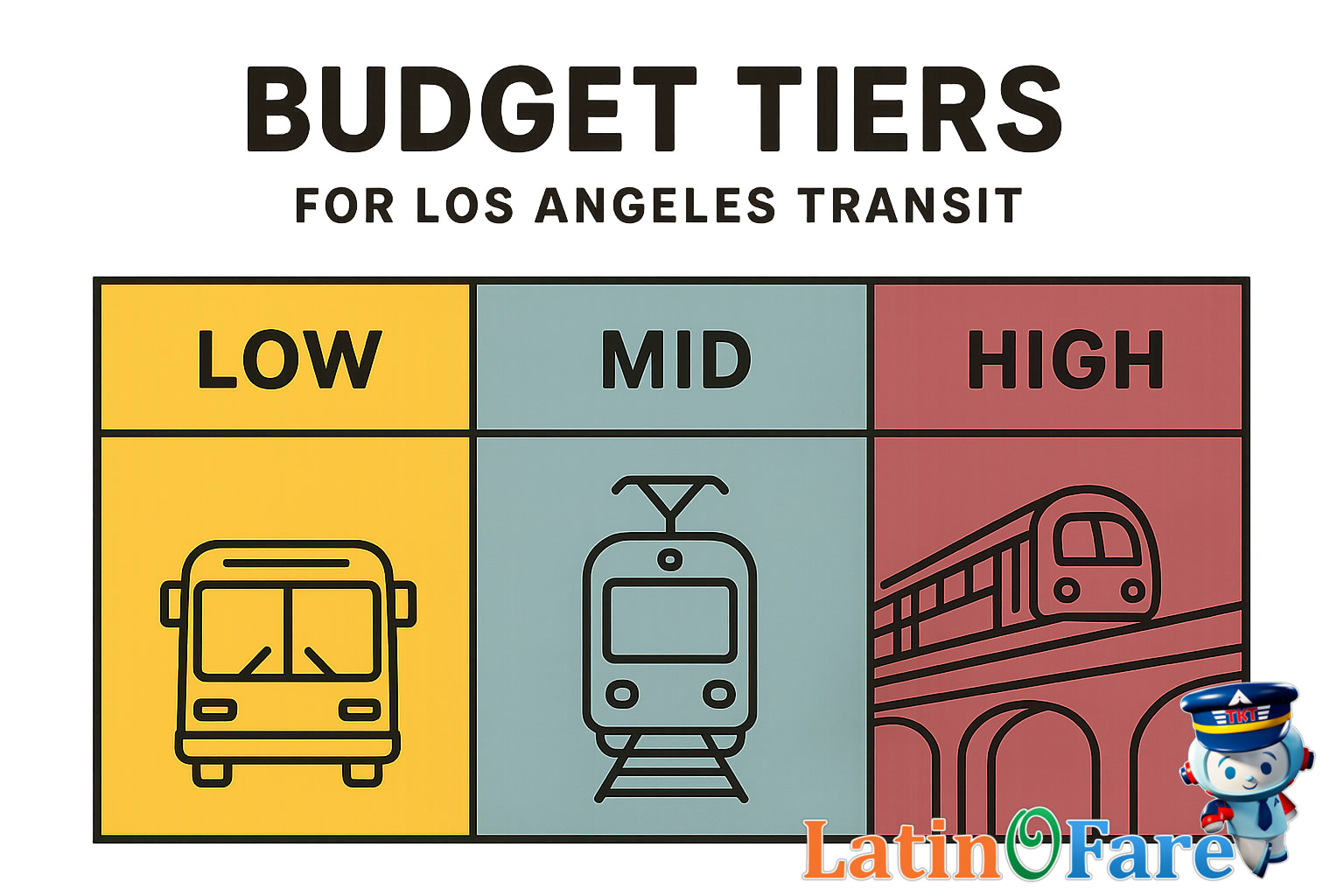
Here’s a real-world breakdown of a single day’s travel budget in Los Angeles, organized by budget, mid-range, and luxury tiers. Each category—Accommodation, Food, Transport, and Activities—reflects what most travelers actually spend, based on the kind of trip you’re planning. I tracked every ride on my TAP card and saw real savings by choosing Metro over rideshare, so these numbers are grounded in practical experience, not just theory. The transport figures use actual daily Metro passes, typical bus fares, and what you’d expect to spend on rideshares if you want more comfort or flexibility. This table should help you map out your LA travel costs with clarity, whether you’re watching every dollar or splurging a bit more.
| Budget | Mid-range | Luxury | |
|---|---|---|---|
| Accommodation | $55.00 | $140.00 | $340.00 |
| Food | $18.00 | $45.00 | $110.00 |
| Transport | $7.00 | $22.00 | $65.00 |
| Activities | $12.00 | $38.00 | $90.00 |
Budget travelers can stick with Metro day passes and local eats, while mid-range visitors might add a couple of rideshares and sit-down meals. Luxury travelers often use private cars, upscale dining, and premium attractions. Each tier reflects the real choices you’ll make as you explore LA.
Common LA Metro and Transit Questions
- Which LA Metro line is best for tourists?
The LA Metro B (Red) Line is a favorite for travelers since it connects downtown Los Angeles with Hollywood and Universal City. If you want to see popular sights without driving, this line is a solid pick. I usually start trip planning by mapping out B Line stops for sightseeing days.
- When do I need a TAP card on LA Metro?
You’ll need a TAP card to ride any Metro train or bus in Los Angeles. Buy one at station machines or select retailers, then load fare or passes onto the card. Tap it at validators before boarding. For short visits, a reusable TAP card is often more convenient than paper tickets.
- Is LA Metro safe at night?
LA Metro and city buses run late, but safety varies by area and time. Cars are usually busier during rush hours, but if you’re traveling late, sit near the driver or in busier cars. I always check schedules and avoid isolated stations after midnight, just to play it safe.
- Are multi-day Metro passes worth it?
Multi-day Metro passes can save money if you plan to use transit several times a day. A 7-Day Pass, for example, covers unlimited rides for about $25.00. If your itinerary includes daily sightseeing or you’re staying car-free, these passes are a practical and budget-friendly choice.
- How much is a rideshare from LAX to downtown?
Expect to pay around $45.00 for a typical rideshare trip from LAX to downtown Los Angeles, depending on traffic and time of day. Prices can surge during peak hours, so I recommend checking your app for current fares before requesting a ride to avoid surprises.
- Is LA Metro accessible for travelers with disabilities?
Most LA Metro stations and buses are wheelchair accessible, with elevators and ramps available. Buses have low floors and priority seating. If you need assistance, Metro staff can help at larger stations. I’d also check the Metro website for real-time elevator outage updates before heading out.
- Should I use a transit app for LA Metro?
Using a route-planning app like Transit or Google Maps makes navigating LA Metro much easier. These apps provide real-time arrival info, service alerts, and step-by-step directions. I always double-check app updates before heading out, especially if I’m catching a late train or bus.
Reflections on Smart LA Transit
Blending LA’s Metro, city buses, and rideshares really is the key to affordable, flexible exploring. After adopting these strategies, I found myself discovering more neighborhoods with less stress and fewer parking headaches. One thing I never skip: checking Metro service alerts before heading out, since unexpected disruptions can pop up.
If you’re curious for more practical tips, I’d recommend browsing the travel advice section over at latinofare.com—there’s a lot to help you plan a smoother LA trip.