
Welcoming First-Timers to Quito
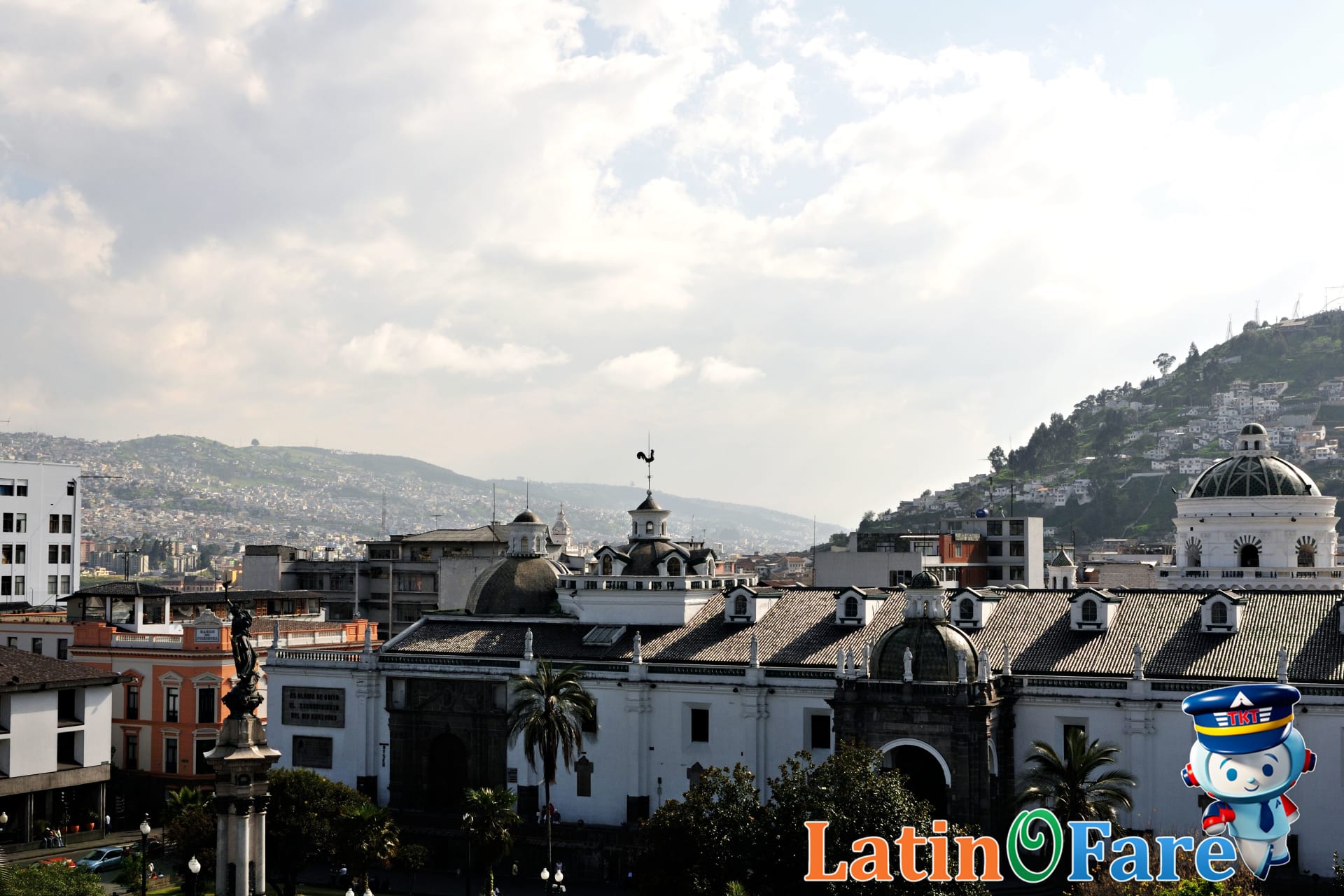
Touching down in Quito for the first time is a real thrill—there’s nothing quite like seeing the city’s historic heart nestled high in the Andes, surrounded by dramatic mountain peaks. At over 9,000 feet above sea level, Quito’s altitude is the first thing you’ll notice, but it’s the blend of old-world charm and vibrant Ecuadorian culture that truly sets the scene. I remember being genuinely awed as my taxi descended toward the old town, its maze of terra-cotta roofs and ornate churches glowing in the early light.
Quito isn’t just another capital—it’s a UNESCO World Heritage site, recognized for its remarkably preserved colonial center. This status means you’re stepping into streets lined with centuries-old architecture, bustling plazas, and a living history that’s hard to find elsewhere. If you’re curious, the official UNESCO Quito page offers a deeper look at what makes this city so special.
Each neighborhood has its own flavor, from the lively Mariscal district to the tranquil parks of La Floresta and the timeless beauty of Centro Histórico. In the next sections, I’ll help you get oriented and decide where to start exploring.
Exploring Quito’s UNESCO Historic Center
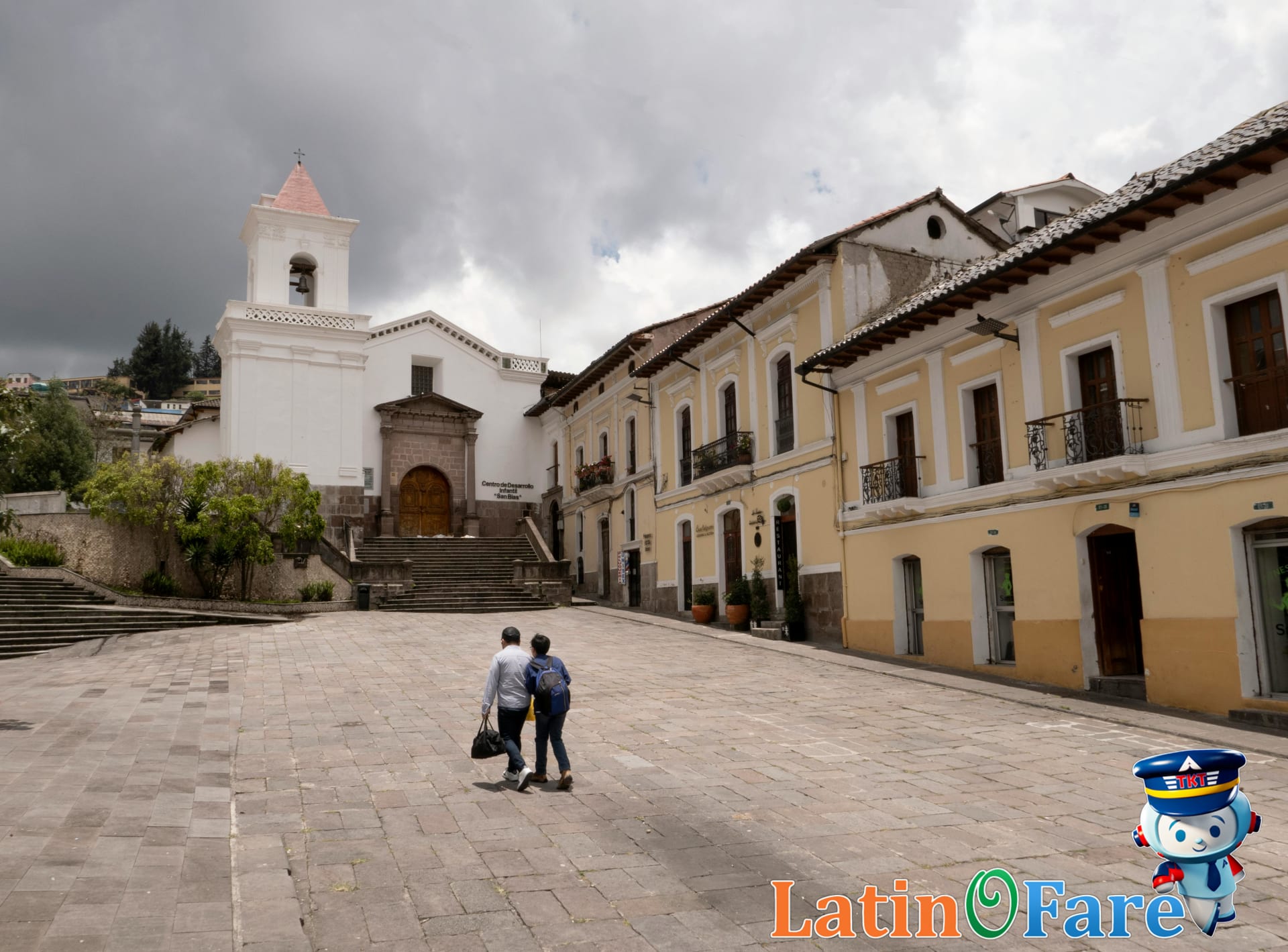
Quito’s historic center is a living museum — its cobbled streets, grand plazas, and ornate churches have earned it a UNESCO World Heritage designation. This area is the heart of Ecuador’s capital, and it’s easy to see why: centuries-old facades line the streets, and each corner seems to reveal another architectural gem. For first-time visitors, the old town feels both welcoming and endlessly fascinating.
Start your walk at Plaza Grande (also called Plaza de la Independencia), the city’s main square. I still remember the first time I stepped into the plaza early in the morning — the sunlight catching the white walls of the Presidential Palace, the hum of locals chatting on benches, and the distant toll of church bells. It’s a great spot to orient yourself before heading deeper into the maze of historic streets.
Don’t miss La Compañía de Jesús Church, famous for its baroque gold-leaf interior. Even if you’re not a churchgoer, the craftsmanship here is jaw-dropping. Nearby, Calle La Ronda is a narrow lane packed with artisan shops, music, and cozy cafes. Sipping a cup of Ecuadorian coffee on La Ronda, I loved watching street performers and feeling the buzz of daily life all around me.
One of my favorite things about Quito’s center is simply wandering. The narrow alleys, colorful balconies, and unexpected plazas reward anyone who takes their time. If you’re planning your arrival, you might want to check out this guide on How to Find Cheap Flights to Quito — it’s a helpful resource for getting here on a budget.
For more background on Quito’s historic sites and visitor info, the Ecuador Ministry of Tourism has up-to-date details in English.
Managing Quito’s High Altitude Arrival
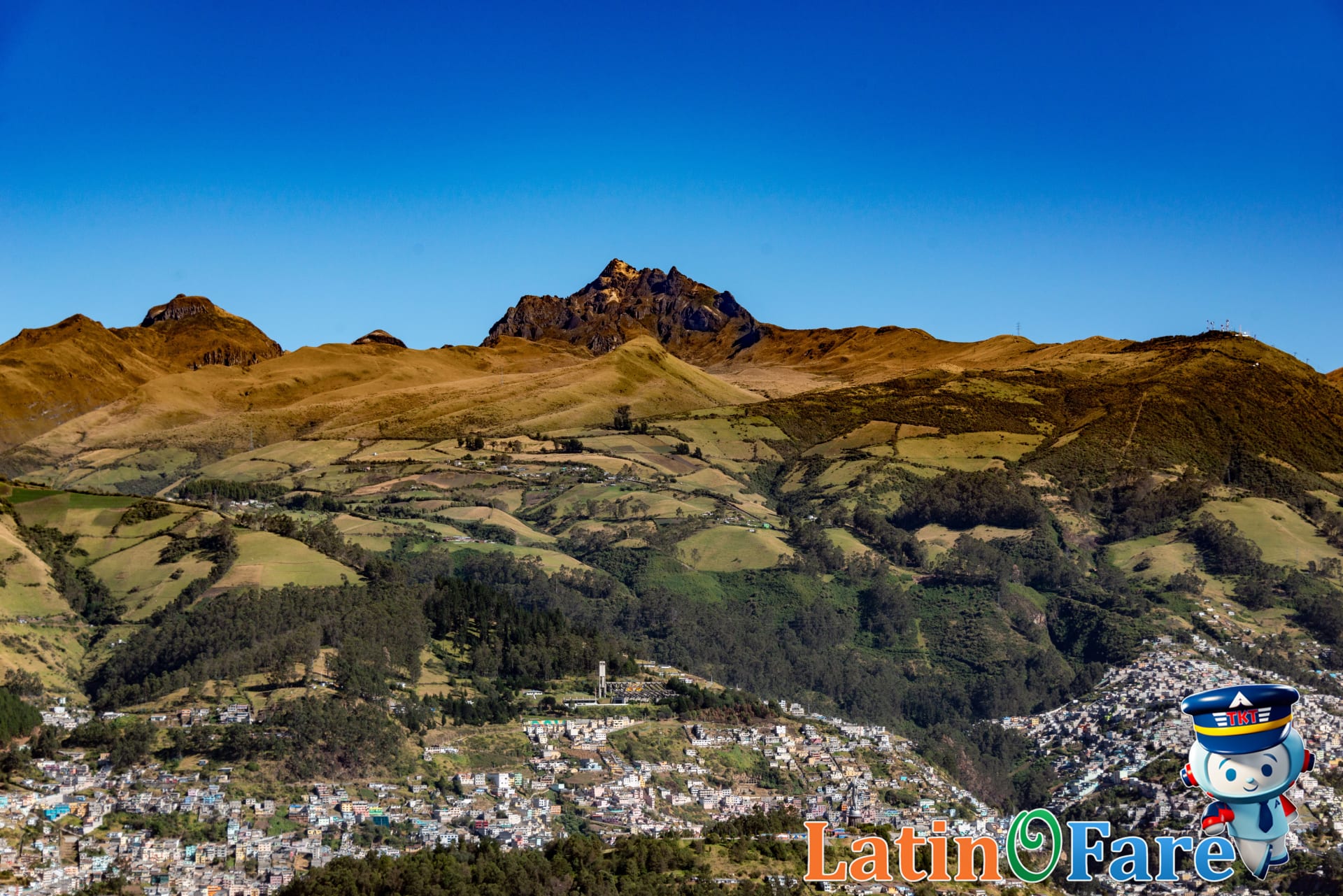
Quito sits at an impressive 2,850 meters (9,350 feet) above sea level, making it one of the world’s highest capital cities. For first-time visitors, this elevation is more than just a fun fact—it’s something you’ll feel from the moment you arrive. Thin air means less oxygen, and even simple activities can leave you catching your breath. I was winded just walking uphill on my first afternoon in Quito, and it took me by surprise how quickly I needed to slow down.
Common altitude effects include mild headaches, fatigue, and shortness of breath. Some travelers might also feel dizzy or have trouble sleeping. The good news is, with a bit of planning, you can minimize discomfort and enjoy your trip. I usually recommend starting with these acclimatization basics:
- Hydrate constantly: Drink water throughout the day—even before you feel thirsty.
- Rest on arrival: Give your body time to adjust by taking it easy the first day.
- Limit alcohol and caffeine: Both can dehydrate you and make symptoms worse.
- Light activity only: Gentle walks are fine, but save strenuous hikes for later in your stay.
For your first outing, I’d suggest the TelefériQo cable car. It glides up the Pichincha volcano, offering panoramic city views with minimal effort. The Mirador at the top is a great spot to soak in Quito’s scenery without overexerting yourself. If you want more details on adapting to high elevations, the CDC’s altitude sickness page is a solid resource. You can also check out our guide on Tips for Surviving Your First High Altitude Destination for more practical advice.
Must-Try Flavors of Ecuador
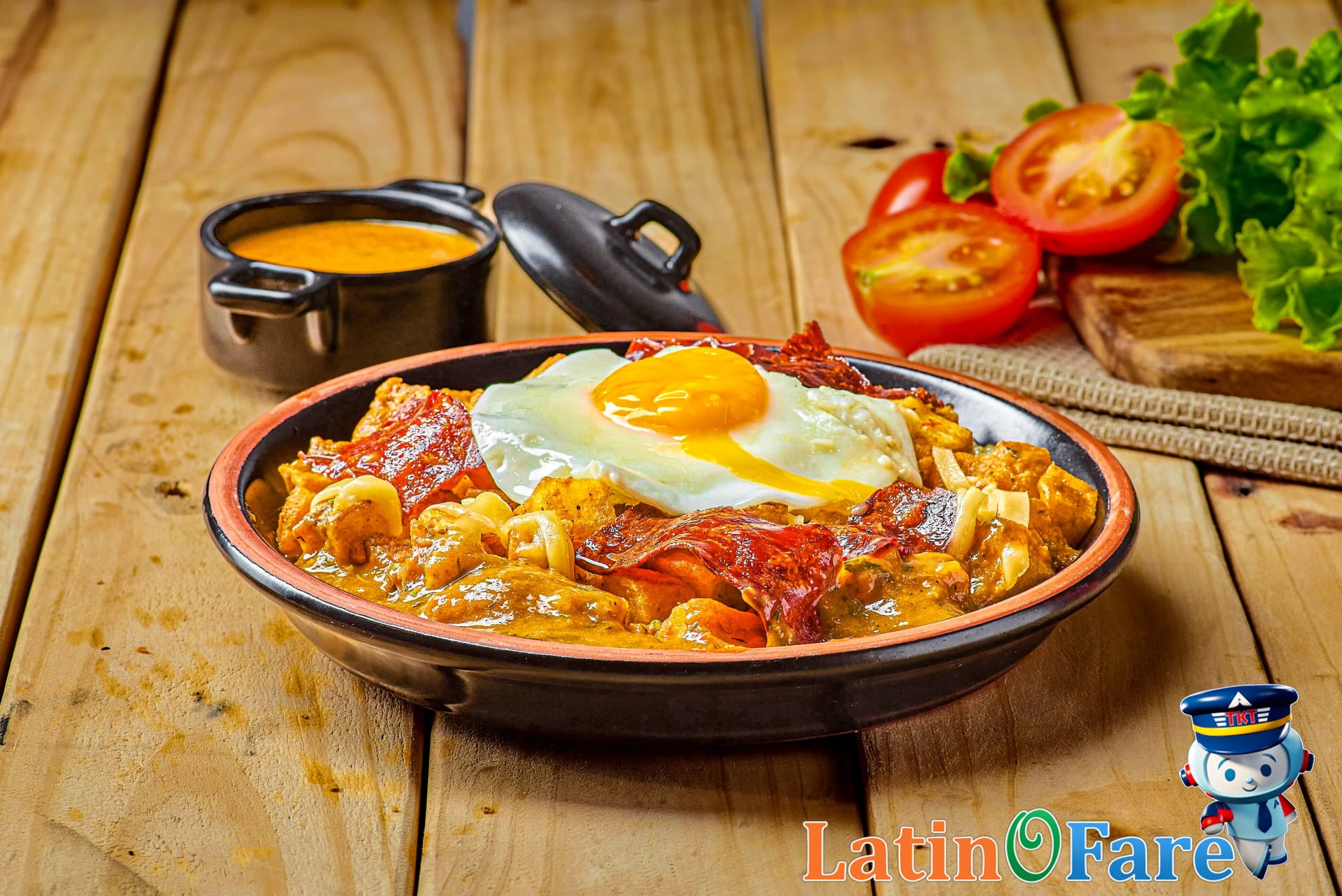
Quito’s food scene is a true highlight for anyone traveling through Ecuador, especially if you’re eager to taste something genuine and memorable. The city’s historic center is packed with restaurants and cozy “almuerzo” spots where you’ll find locals tucking into steaming bowls of locro de papa (potato and cheese soup), crispy golden empanadas, tangy ceviche made with shrimp or fish, and the slow-roasted pork dish called hornado. Don’t skip a mug of canelazo, a warming spiced drink that’s especially popular on chilly Andean evenings.
One of my most vivid food memories in Quito was trying locro de papa for the first time at a tiny eatery tucked behind Plaza Grande. The creamy soup, topped with slices of avocado and a hint of cheese, was the kind of comfort food that instantly made me feel at home—even far from it. If you’re looking for authentic experiences, head to local favorites like Café Plaza Grande or the bustling Mercado Central, where you can sample these classics at lunchtime.
For travelers on a budget, Quito’s “almuerzo” (set lunch) deals are unbeatable. You’ll typically get soup, a main dish, juice, and sometimes dessert for about $3.00—just look for chalkboard menus outside small restaurants in the old town. If you want to splurge, historic center restaurants like Hasta la Vuelta Señor offer beautiful colonial settings and refined takes on Ecuadorian staples. I usually recommend saving your splurge for a sit-down dinner with a view over the city’s rooftops.
Street food is everywhere in Quito and can be a delicious way to eat like a local, but I always check that vendors are busy and food looks freshly prepared. Stick to cooked items like empanadas or hornado to play it safe. For more dining inspiration, the Quito Street Food blog and the official Tourism Quito dining map are helpful resources.
If you’re curious about culinary adventures elsewhere in Latin America, check out our guide to the best food cities in Latin America for more ideas.
Where to Stay in Quito
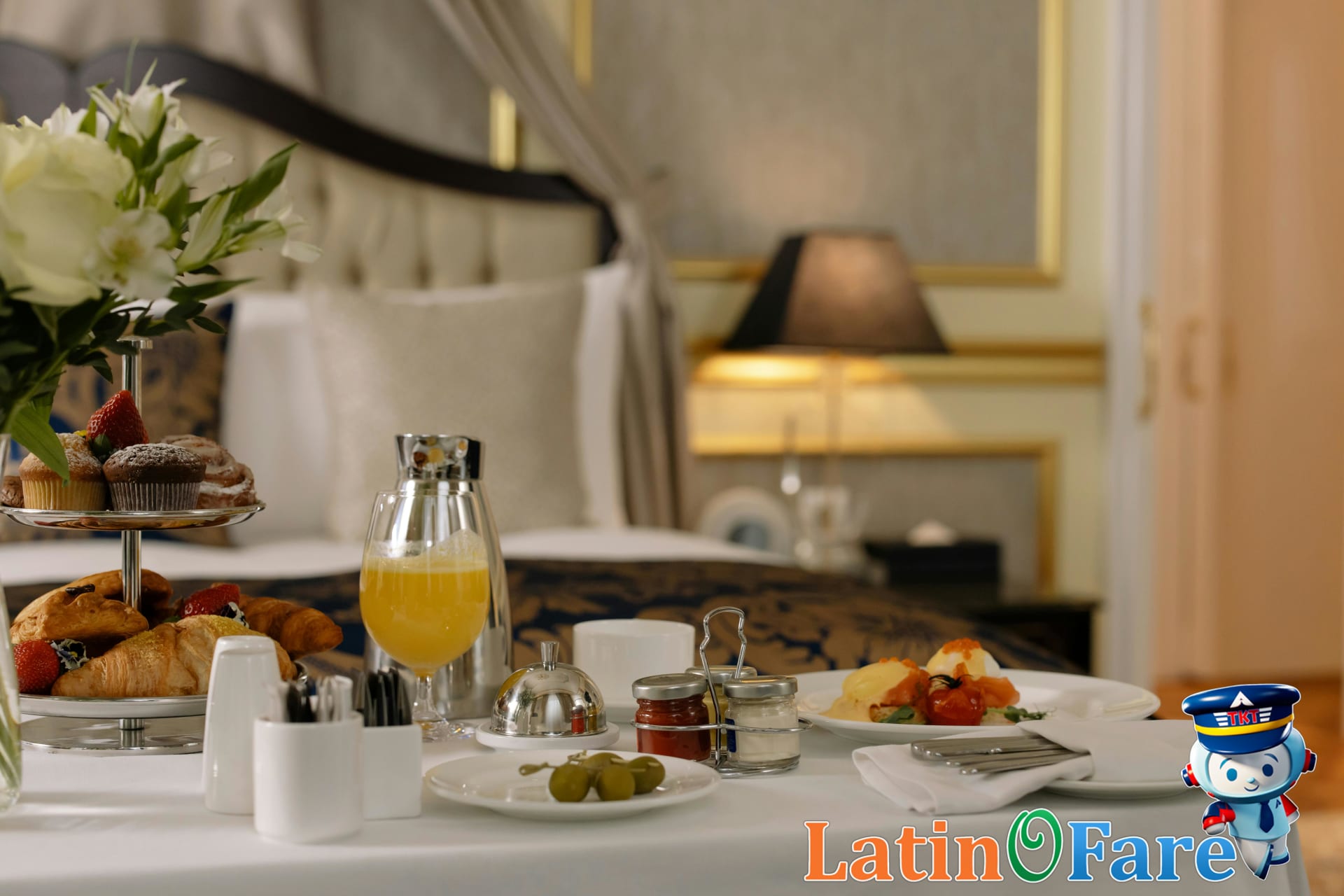
Quito’s neighborhoods each offer a different experience, especially for first-time visitors. The Historic Center is packed with colonial architecture, plazas, and museums—staying here puts you within walking distance of Quito’s most iconic sights. If you value atmosphere and don’t mind a few hills, this area is a real treat. La Mariscal, meanwhile, is known for its lively nightlife, international restaurants, and hostels. I’d only recommend it if you’re comfortable with some late-night noise and want easy access to bars and cafes. For a quieter stay, consider areas like La Floresta or González Suárez, which are safe, central, and have a more local vibe.
When it comes to lodging, Quito has something for every budget. Hostels are ideal for backpackers and solo travelers—expect to pay about $12.00 for a dorm bed, often with breakfast included. Guesthouses and B&Bs offer more privacy and local charm, usually around $35.00 per night. A mid-range hotel in a central area typically costs about $70.00 and often includes breakfast, Wi-Fi, and airport shuttle options. For those seeking comfort or traveling with family, there are boutique hotels and international chains with amenities like 24-hour reception and in-room safes.
From my own experience, I’ve found that prioritizing a quiet location and reliable Wi-Fi outweighs being right in the middle of the action. After a busy day exploring, a peaceful night’s sleep makes a big difference. I usually check recent guest reviews for mentions of noise and comfort before booking. If you’re still weighing your options, take a look at our companion guide to the Best Affordable Hotels in Quito for detailed hotel suggestions. For a broader search, sites like Booking.com or Hostelworld can help you compare real-time availability and guest ratings across all neighborhoods.
Essential Sights and Activities
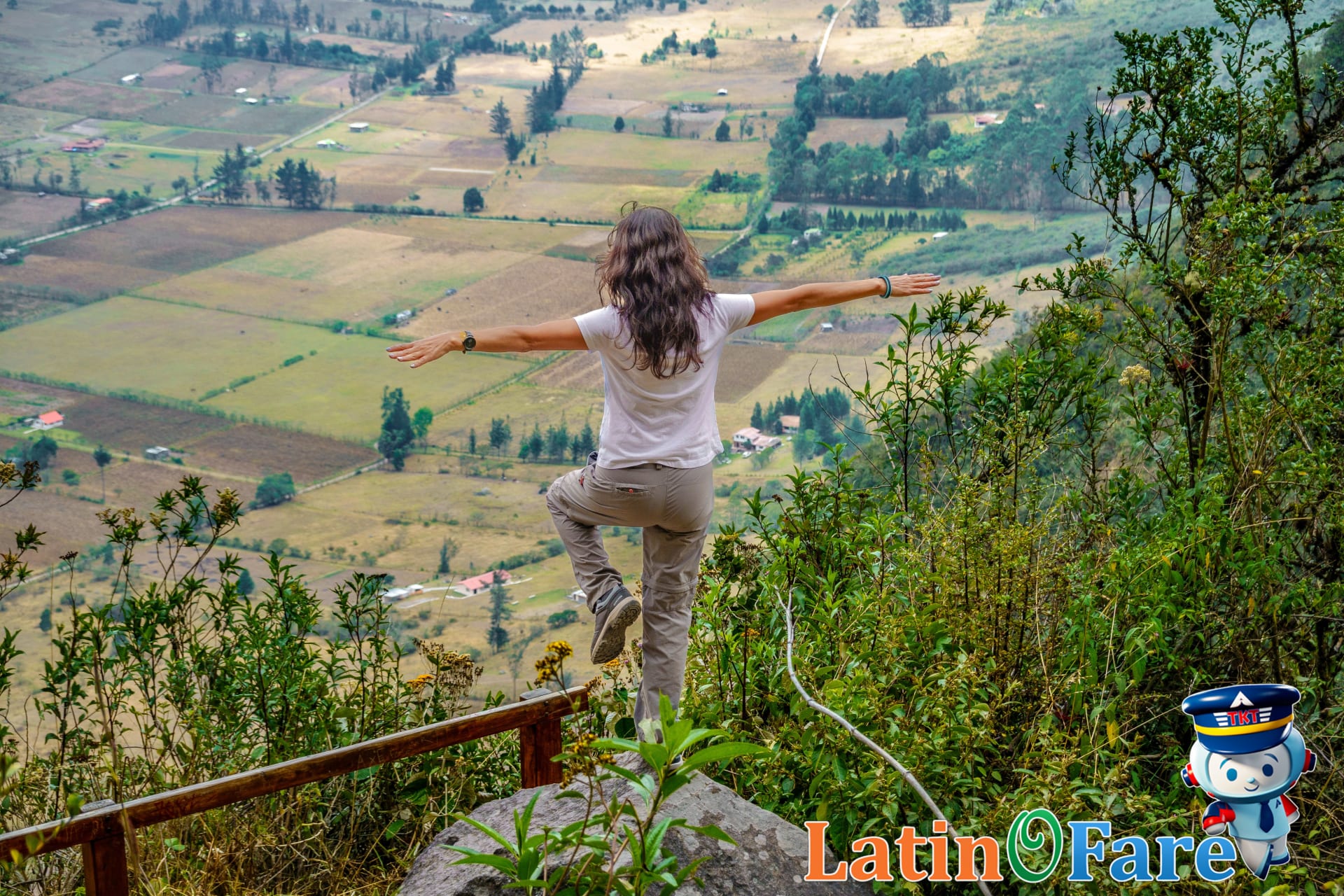
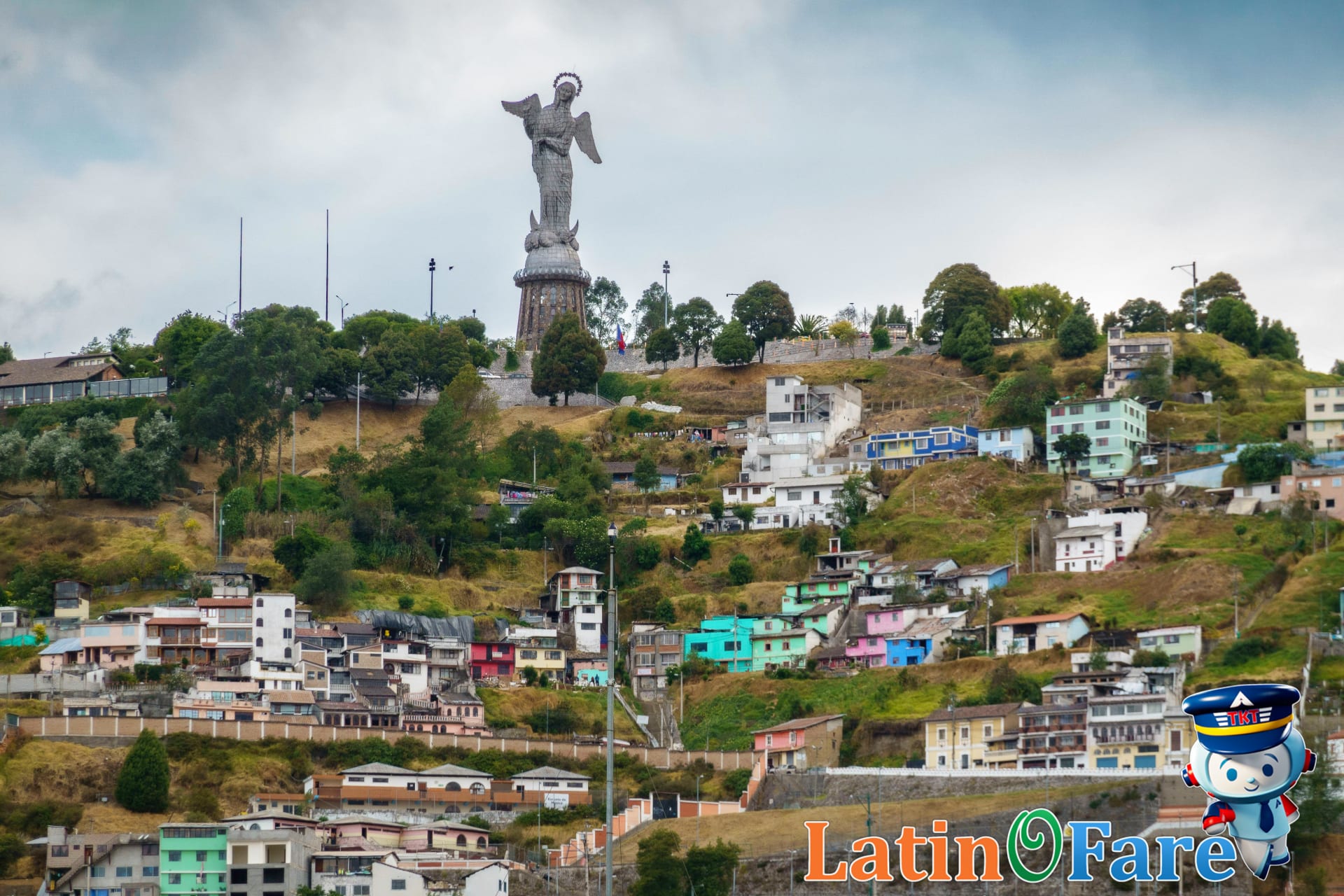
Quito is packed with historical landmarks and lively excursions, but a little planning helps you see more than just the postcard spots. The Mitad del Mundo monument is a classic—standing right on the equator line is a must for first-timers. I found it’s worth visiting early in the morning to avoid bus crowds and get those iconic photos in peace. For sweeping city views, head up to El Panecillo, where the towering Virgin statue looks out over Quito’s rooftops. While you can hike up, I’d recommend a guided tour or taxi for safety, especially if you’re not familiar with the area.
In the heart of the old town, San Francisco Church dazzles with its gold-leaf interior and lively plaza. Just a few blocks away, the Museo de la Ciudad offers fascinating insights into Quito’s past—something I wish I’d discovered on my first visit. It’s less crowded than the bigger museums and gives a real sense of local history. For these central sites, exploring on foot is easy, but a guided walking tour can help you spot hidden details and avoid missing key highlights.
Top Day Trips Near Quito
If you have extra time, day trips can take your Quito experience to the next level. Otavalo is famous for its colorful market—perfect for souvenirs and people-watching. Papallacta’s hot springs are a welcome escape if you want to relax in the mountains, and Cotopaxi National Park is ideal for hiking or simply soaking up volcano views. I’d compare both guided tours and DIY options here; for Cotopaxi, a guide can help with logistics and safety, while Otavalo is easy to visit on your own with public transport. For more planning details, check out our deeper guide to Day Trips from Quito.
For up-to-date opening times and official tour listings, I usually double-check Ecuador’s official tourism website (ecuador.travel) before finalizing my plans.
Navigating the City Safely
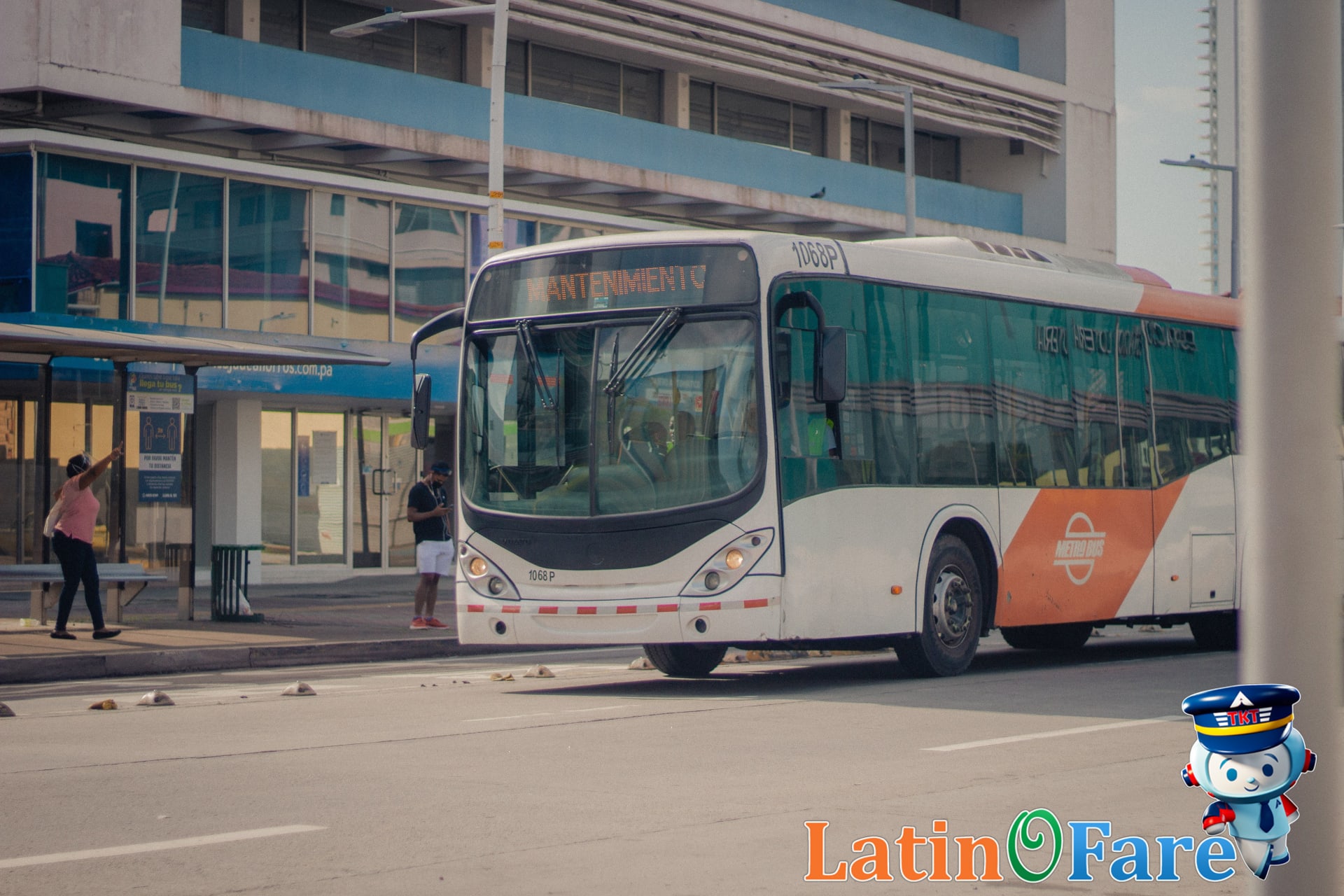
Getting around Quito can be straightforward with a bit of planning. The city’s public buses are affordable and cover most neighborhoods, but they can get crowded, especially during rush hour. I usually stick to the main trolleybus lines, which feel more organized and have clearly marked stops. For visitors, it’s smart to keep an eye on your belongings and avoid boarding overly packed buses, especially in the historic center.
When it comes to taxis, I always make a point of using registered, official taxi services. Official taxis in Quito are yellow with visible registration numbers and a taximeter. If I’m out late or in a less busy part of town, I’ll call a taxi from a reputable company or use a trusted ride app like Uber or Cabify. This has consistently felt safer than hailing a cab off the street, which locals and the city tourism site also advise against (see Quito Tourism Safety Tips for more).
Exploring the historic center by foot during the day is one of my favorite ways to see Quito, but I’m more cautious after dark. On my last trip, I felt comfortable walking in busy plazas and main streets until early evening, but I avoided quieter side streets and opted for a taxi back to my hotel once the crowds thinned out. In contrast, some quieter residential neighborhoods felt more relaxed, but I still kept my route direct and stayed alert.
If you want broader advice for urban travel across the continent, I’d recommend checking out our resource on Travel Safety in South America for more region-wide tips.
Quito Travel Budget Breakdown Guide
| Accommodation | Food | Transport | Activities | |
|---|---|---|---|---|
| Budget | $30.00 | $8.00 | $3.00 | $6.00 |
| Mid-range | $70.00 | $20.00 | $10.00 | $25.00 |
| Luxury | $180.00 | $50.00 | $40.00 | $60.00 |
Stretching your Quito travel budget really comes down to smart choices and knowing where to look for value. For flights and vacation packages, I always start with latinofare.com to compare deals and flexible date options—this alone can save you a chunk before you even land in Ecuador. On the ground, eating at local mercados instead of tourist restaurants, opting for hostels or small guesthouses, and using Quito’s extensive public bus system are all ways to keep daily costs low.
When I visited Quito, I managed to stretch my budget by taking the city’s trolleybus to the historic center for less than $0.50 and grabbing a hearty almuerzo (set lunch) for about $3.00. That left me with extra cash for a guided walking tour I hadn’t planned on. On the flip side, I underestimated how quickly museum entry fees could add up, so I recommend double-checking those costs if you’re a culture buff.
For more practical ideas on airfare savings, check out our tips in How to Save on International Airfare.
First-Timer Quito FAQ Guide
- When is the best time to visit Quito?
The best time to visit Quito is during the drier months, typically June through September, when you’ll find clearer skies and more comfortable conditions for sightseeing. I wish I’d known how quickly the weather can shift here—packing a light rain jacket is smart no matter the season.
- How do I get from Quito airport to the city center?
To reach central Quito from Mariscal Sucre International Airport, you can take the public Aeroservicios bus for about $5.00, or book a registered taxi for around $25.00. I found the bus straightforward and comfortable, with departures every 30 minutes and clear signage at the airport exit.
- What should I pack for Quito’s weather?
Pack layers for Quito’s variable climate—mornings and evenings can be chilly, but midday sun is strong at this altitude. I recommend a warm sweater, a sunhat, a light rain jacket, and sturdy walking shoes. Don’t forget sunscreen, as UV exposure is high even on cloudy days.
- Is Quito safe for solo travelers?
Quito is generally safe for solo travelers, especially in main tourist areas like the Historic Center and La Mariscal. Use common sense: avoid walking alone late at night, keep valuables secure, and use registered taxis. I usually stick to busy streets after dark and haven’t had major issues.
- What are the top can’t-miss sites for first-time visitors?
Don’t miss Quito’s UNESCO-listed Historic Center, the impressive Basilica del Voto Nacional, and the Middle of the World monument (Mitad del Mundo). I’d also recommend Parque Itchimbía for panoramic city views and the TelefériQo cable car for an unforgettable ride up Pichincha Volcano.
- Where can I find budget food options in Quito?
For affordable meals, try local markets like Mercado Central, where you can get a hearty almuerzo (set lunch) for about $3.00. Street food stalls and small neighborhood bakeries offer tasty empanadas and juices for under $2.00. These are great for sampling Ecuadorian flavors on a budget.
Making the Most of Quito
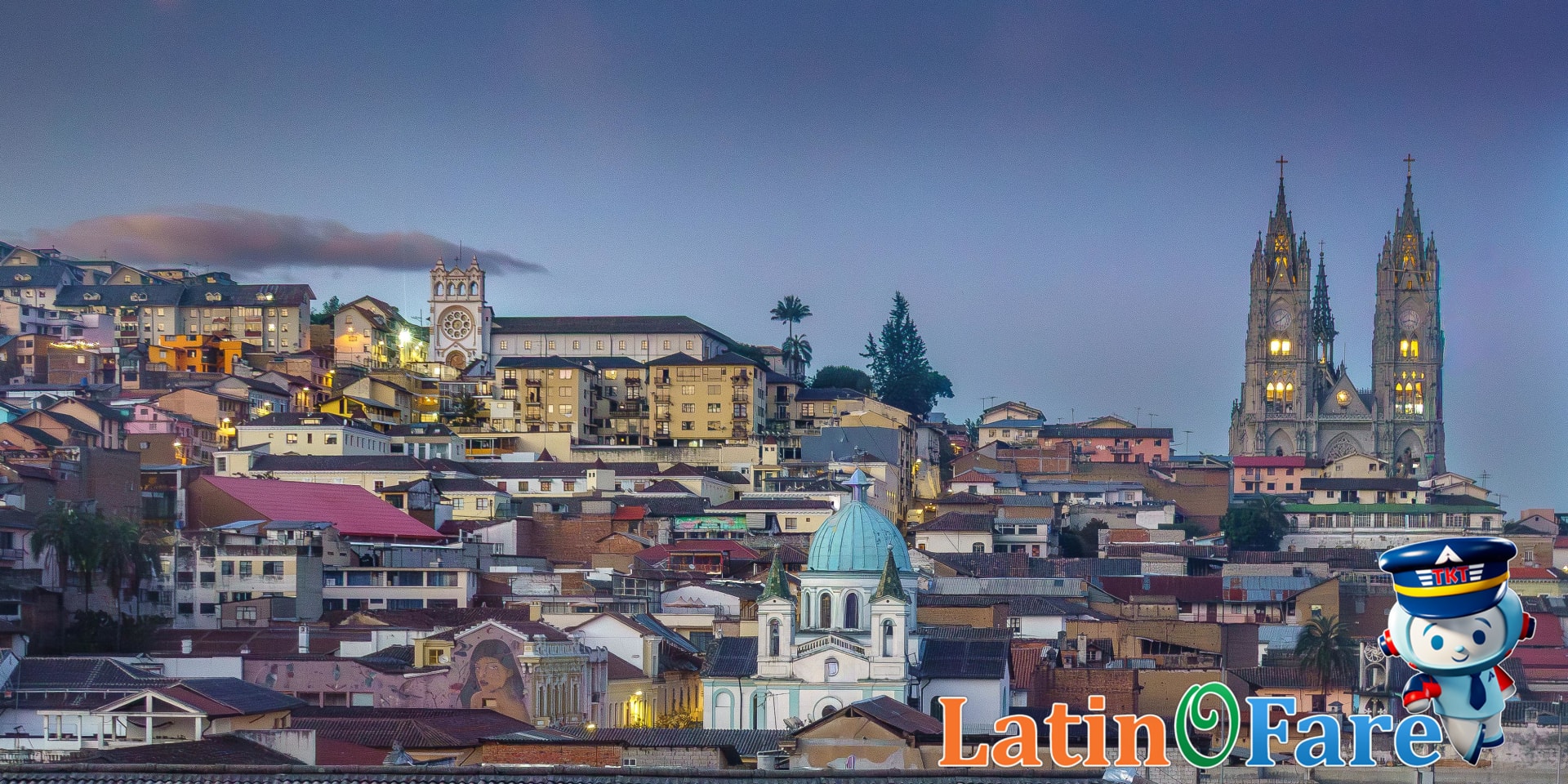
Quito leaves a distinct mark on first-time visitors. The city’s dramatic setting, colonial architecture, and vibrant plazas make it easy to understand why so many travelers find themselves lingering longer than planned. For me, the biggest surprise was how peaceful it felt to sit in Plaza Grande at sunset, just watching locals gather and the city slowly light up. That quiet moment of people-watching ended up being my favorite memory—sometimes the simplest experiences are the most memorable.
If you’re planning your first visit, I’d recommend balancing sightseeing with downtime. Quito’s plazas and leafy parks invite you to pause, observe, and soak in daily life. Don’t rush from one attraction to the next—allow yourself time to unwind and let the city’s rhythms unfold naturally. If you’re feeling adventurous, consider using Quito as a jumping-off point for deeper travels through Ecuador. For example, the city of Cuenca offers a different perspective on Ecuadorian culture and is worth a look if you’re crafting a flexible itinerary.
However you choose to experience Quito, give yourself permission to explore at your own pace. Sometimes, the most rewarding discoveries happen when you simply slow down and let the city surprise you.