
Why Etiquette Matters In Brazil
If you want your trip to Brazil to feel less like you’re just passing through and more like you’re genuinely welcomed, understanding local etiquette is essential. I remember landing in São Paulo for my first visit and instantly wishing I’d done more homework on customs—I wanted to fit in seamlessly, not stand out as a clueless tourist.
This article covers what you need to know about Brazilian etiquette from the moment you arrive at the airport, through shared meals, to being invited into someone’s home. You’ll get a clear overview of the dos and don’ts that shape daily interactions, whether you’re navigating a bustling city or a quiet neighborhood. If you’re in the early planning stages, I’d suggest checking out the latinofare.com Brazil flight deals page to anchor your travel dates.
Getting these social details right can make your experience smoother and help you connect with locals on a more genuine level. We’ll break down everything from greetings and table manners to what’s expected when you’re a guest, so you can travel with respect and confidence.
Mastering Greetings and First Impressions

Brazilian greetings are famously warm and can be a bit surprising if you’re used to more reserved customs. In most parts of Brazil, a friendly handshake is common when meeting someone for the first time, but among friends or in social settings, you’ll often receive a cheek kiss—sometimes one, sometimes two, depending on the region. In Rio de Janeiro, for example, it’s usually two kisses, while São Paulo often sticks to one.
The first time I was greeted with the double cheek kiss, I’ll admit I felt nervous and awkward—I wasn’t sure which side to start on or how close to get. But after a few tries, it felt much more natural, and I could see how these greetings break the ice quickly. Brazilians tend to stand closer than you might expect, and a light touch on the arm or shoulder is common; just remember, hugs and kisses are usually reserved for friends or family, not business contacts.
What Not To Do
- Don’t initiate a kiss or hug—wait for your host to make the first move.
- Avoid crossing your arms or keeping your hands in your pockets; it can seem cold or uninterested.
- Don’t use overly formal or stiff language; a simple “Oi” (hi) or “Tudo bem?” (how are you?) is friendly and appropriate.
- Never refuse a greeting—just smile and follow the local’s lead.
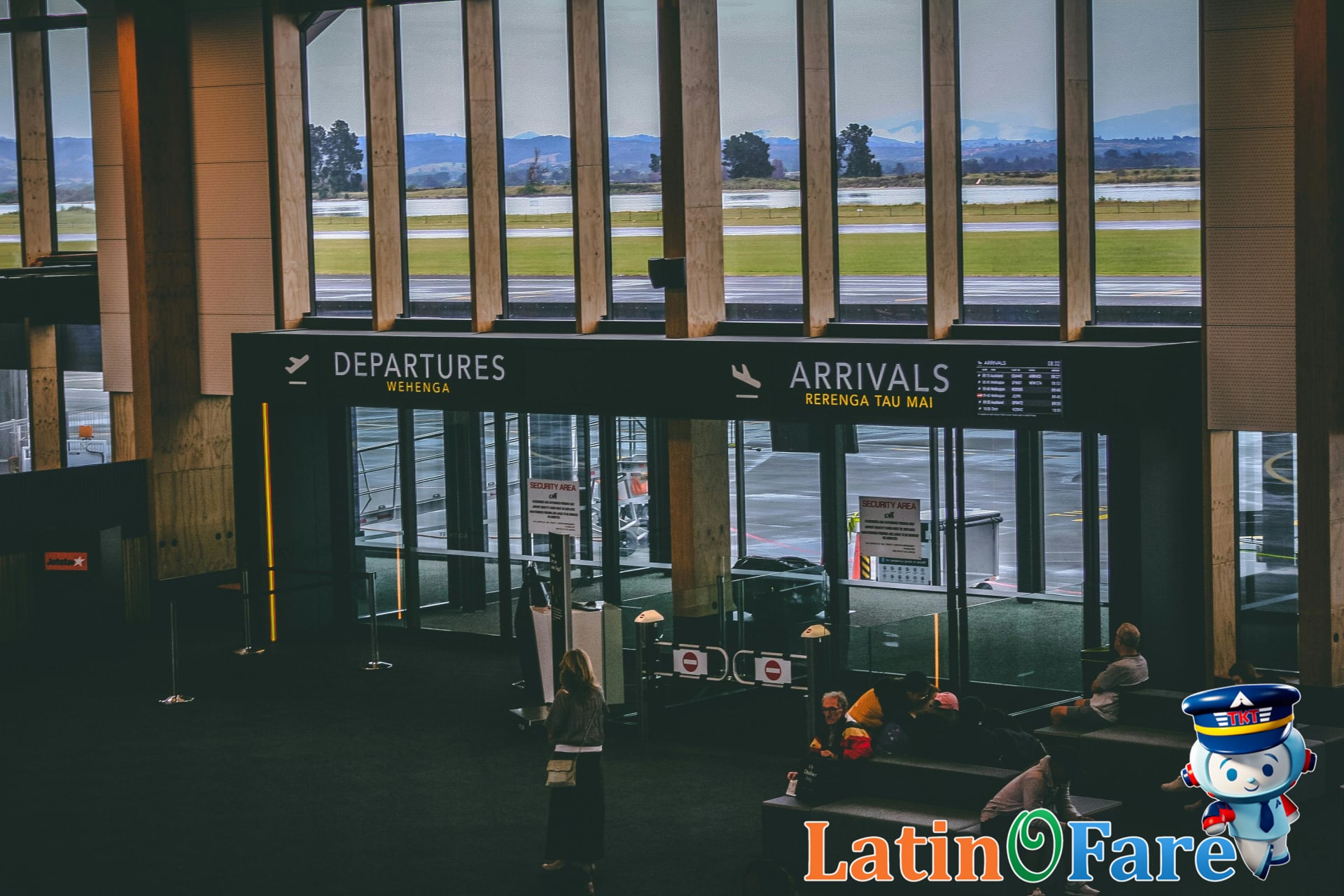
If you’re arriving in Brazil for the first time, check out latinofare.com’s guide on international arrivals for tips on making a smooth first impression at the airport.
Dress Code And Personal Presentation Tips

Brazilian cities, especially places like São Paulo and Rio de Janeiro, lean toward a smart-casual dress code. Locals tend to dress neatly, even for everyday outings—think pressed jeans, stylish tops, and closed-toe shoes. Athletic wear and flip-flops are usually reserved for gyms or the beach. I remember the first time I realized that flip-flops and shorts were out of place in downtown São Paulo; I felt noticeably underdressed and got more than a few side glances.
In rural towns or at the beach, the vibe is much more relaxed. You’ll see plenty of shorts, sandals, and tank tops, especially along the coast. Still, even in these settings, people often look put together—clean, coordinated, and tidy. For city sightseeing or dining out, I’d recommend neat jeans or skirts, a polo or blouse, and comfortable sneakers or loafers. Save your running shorts and gym shirts strictly for athletic activities.
Dining Etiquette at Home and Dining Out
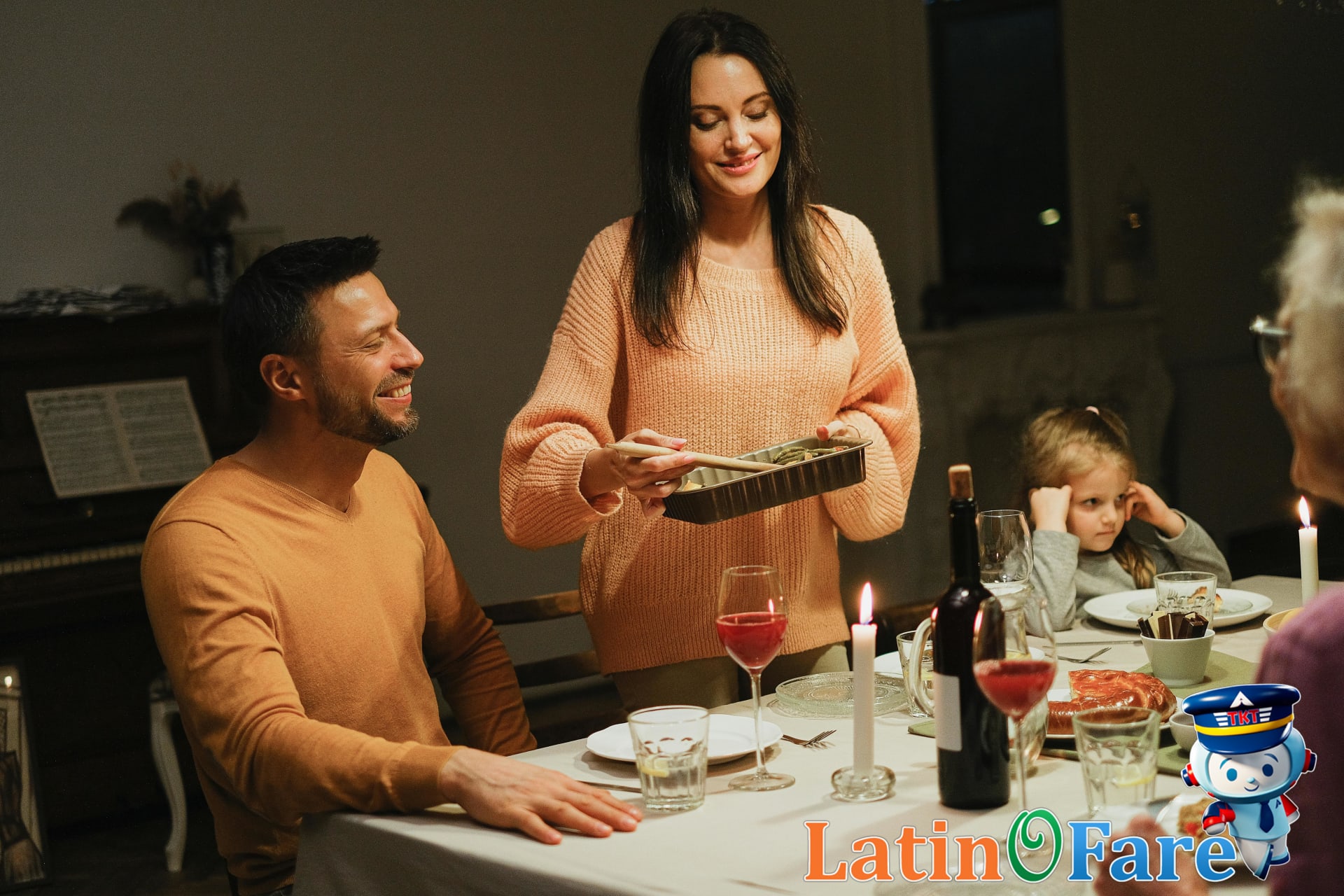
Joining a meal in Brazil, whether at someone’s home or a restaurant, is about more than just food—it’s a social ritual. When you sit down, keep both hands visible above the table, resting your wrists on the edge rather than your lap. Utensils are used European-style: fork in the left hand, knife in the right, and switching hands isn’t common. Before you take your first bite, always say “bom apetite”—it’s a small gesture that shows respect to your host and fellow diners.
Polite conversation is expected, but avoid controversial topics at the table. If you’re offered more food and you’re full, a simple “estou satisfeito, obrigado” (I’m satisfied, thank you) is a gracious way to decline. Tipping customs are straightforward: in most restaurants, a service charge of about 10% is already included, but in casual places, leaving a little extra (around $2.00) for attentive service is appreciated.
I remember being invited to a local family meal and feeling genuinely welcomed after following these customs. The warmth I received after saying “bom apetite” and keeping up with the table manners made all the difference—it’s those small acts that help you connect with people wherever you go.
Social Invitations and Gift Giving
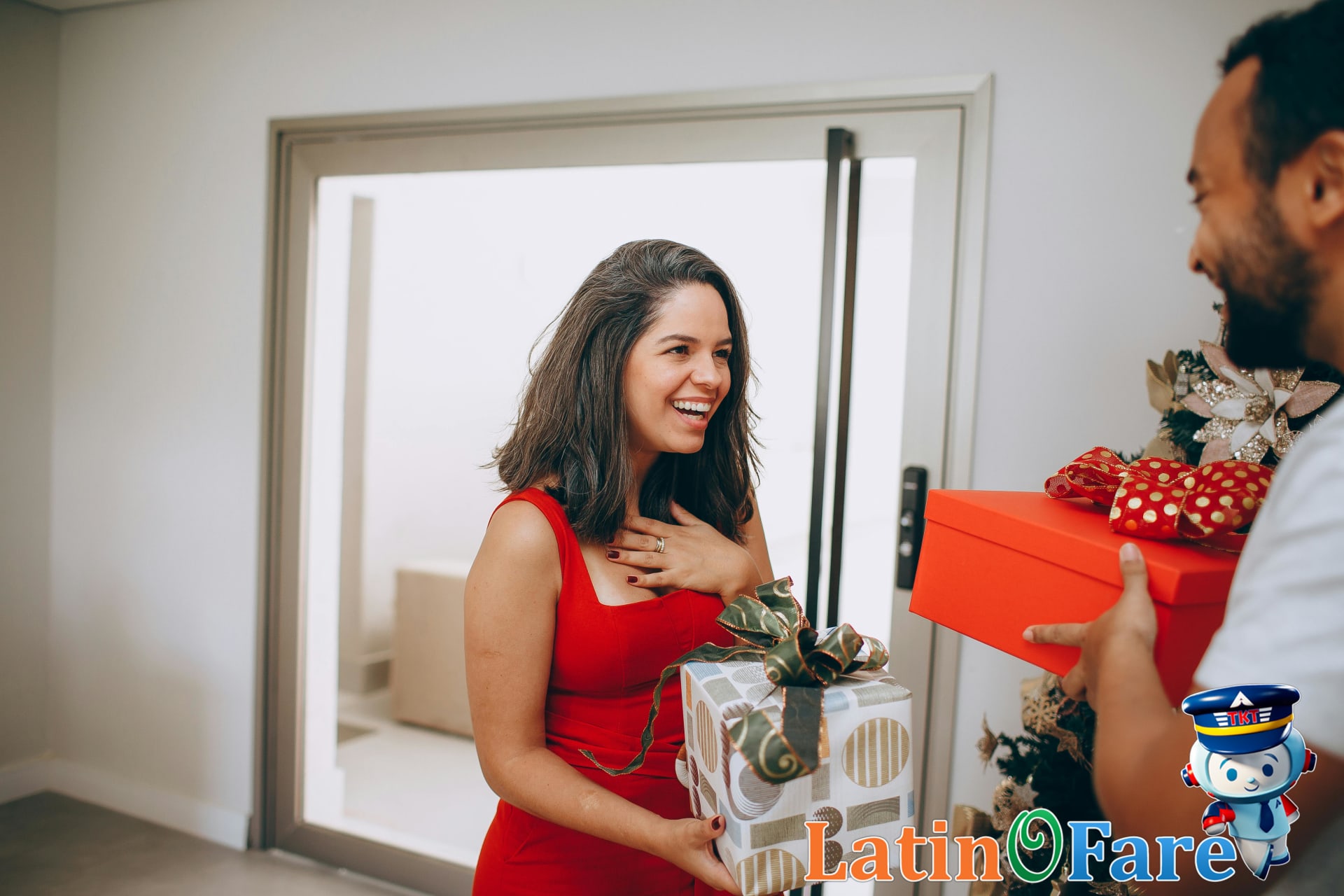
Being invited to a Brazilian home is a genuine gesture of friendship. It’s customary to bring a small gift—think a box of sweets, a bottle of wine, or even flowers. I remember the warm smile on my host’s face when I handed over a box of brigadeiros; it was a simple gesture, but it made the welcome feel even warmer.
Checklist for Social Invitations
- Arrive about 15 minutes after the stated time—showing up exactly on time is rare.
- Bring a thoughtful gift, such as chocolates, wine, or regional treats.
- Avoid giving purple flowers, which are associated with funerals.
- After your visit, a thank you message or call is appreciated.
Reciprocating Hospitality
Reciprocation isn’t obligatory, but inviting your host out for coffee or a meal is a nice way to show appreciation. In my experience, even a simple follow-up invitation goes a long way toward building lasting connections. Arriving empty-handed isn’t rude, but a small gift always makes a positive impression and shows you value your host’s effort.
What Not to Do: Avoiding Faux Pas
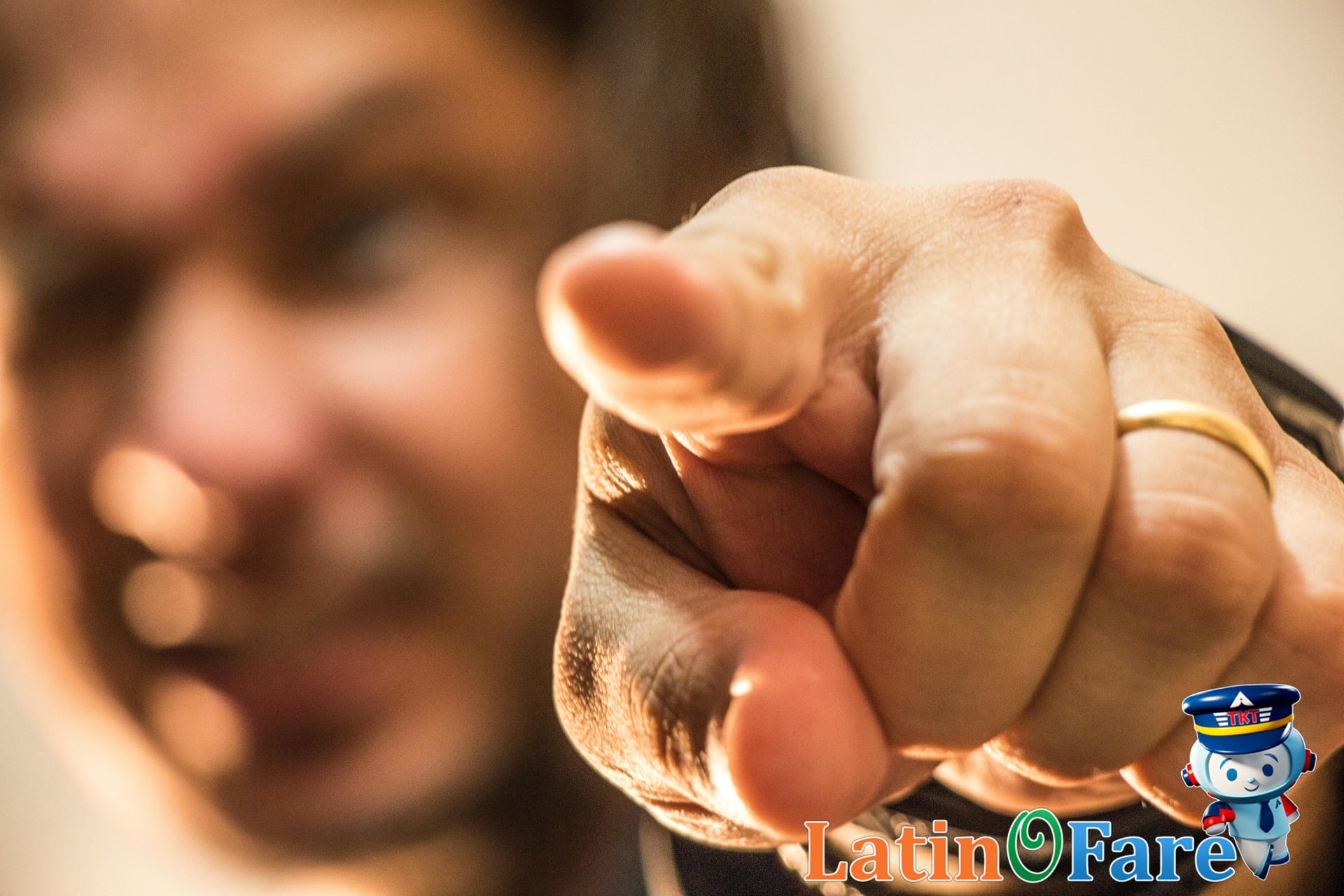
Brazilian social etiquette has its quirks, and a few missteps can unintentionally offend. Here’s a quick checklist of gestures to absolutely avoid:
- The “OK” sign (thumb and forefinger forming a circle) is considered rude in Brazil—never use it.
- Pointing with your index finger can come off as aggressive. Use your whole hand instead.
- Don’t flick your fingers under your chin—this is seen as dismissive or insulting.
When it comes to conversation, steer clear of jokes about soccer rivalries, politics, or sensitive social issues in group settings. Brazilians are friendly, but some topics can quickly turn awkward. I once made the mistake of giving the “OK” sign while thanking a waiter, and the uncomfortable silence made me realize my error instantly. I simply smiled, nodded, and moved on, but it taught me to pay closer attention to local reactions.
If you do slip up, a brief apology and a friendly smile go a long way. Brazilians generally appreciate humility and good humor, so don’t dwell—just acknowledge it and continue the conversation naturally. For more on etiquette pitfalls, check out latinofare.com’s guide on avoiding common travel mistakes.
Etiquette For Streets, Bars, And Beaches
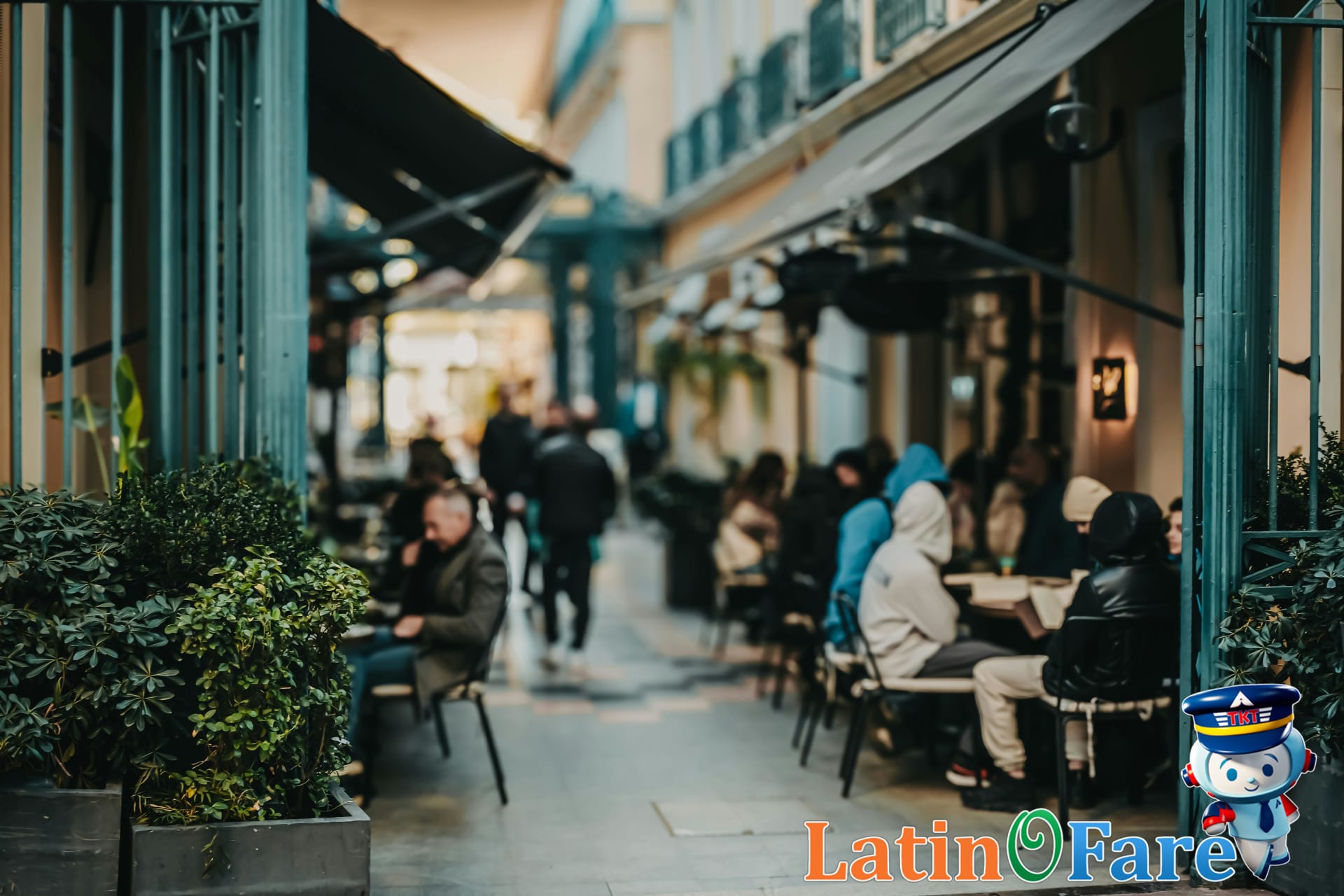
Public spaces in Brazil are lively, and each setting comes with its own unwritten rules. On the street, greetings are common—even a simple “bom dia” to strangers can go a long way. In bars, it’s normal to join tables together for bigger groups, and people readily include newcomers in conversations. At the beach, I was surprised by how freely everyone mingled—people share snacks, offer chairs, and strike up chats with neighbors. It felt much more communal than what I’m used to in the U.S., where beachgoers usually keep to themselves.
Queues are respected, but they’re often informal—people might chat or step out briefly, expecting others to save their spot. On public transport, giving up your seat for elders or pregnant women is expected. I remember feeling awkward the first time I joined a bar group, but a friendly greeting broke the ice instantly. If you’re ever unsure, a warm hello or handshake is always appreciated in Brazil’s social scenes.
How To Stay Respectful And Safe
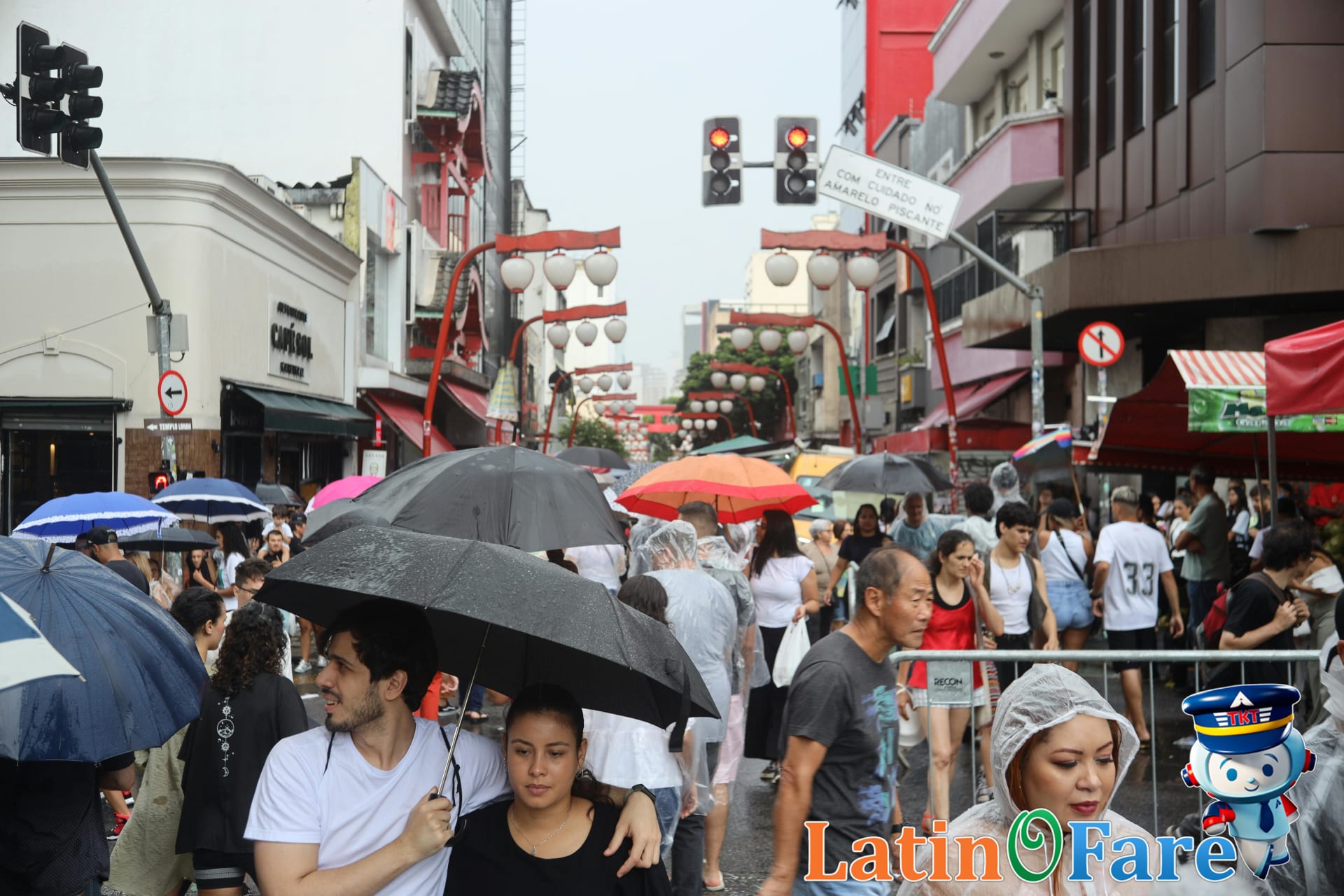
Staying respectful and safe in Brazil means blending in and keeping a low profile, especially in busy cities. I always follow one rule: never flash valuables or electronics in public, even if I’m just snapping a quick photo. Reading the mood of a place is important—if locals seem reserved or cautious, I match their energy and avoid loud conversations or flashy outfits. At night, I stick to well-lit, trusted areas and avoid wandering alone in unfamiliar neighborhoods.
Safeguarding your belongings is key. I use a crossbody bag and keep it in front of me, and I never leave my phone or wallet on tables. If a misunderstanding arises, I stay calm, use simple language, and show patience—most Brazilians appreciate respectful gestures, even if there’s a language barrier. For more detailed safety strategies, I’d recommend checking out the travel safety tips on latinofare.com.
Brazil Travel Budget Breakdown Guide
Respecting Brazilian customs is possible on any budget, and I’ve found that the most memorable etiquette experiences don’t always come with a high price tag. At the budget level, I once joined a shared feijoada lunch where everyone brought a dish—an authentic, welcoming way to connect. Mid-range dining let me participate in a lively churrasco, and at the luxury tier, gifting a host with a quality bottle of cachaça opened doors to deeper conversations. Here’s a breakdown of what you can expect to spend for etiquette-related experiences at different budget levels:
| Budget | Mid-range | Luxury | |
|---|---|---|---|
| Accommodation | $35.00 | $75.00 | $180.00 |
| Food (group meal, shared appetizers) | $8.00 | $22.00 | $55.00 |
| Transport (visiting hosts, shared rides) | $4.00 | $15.00 | $38.00 |
| Activities (cultural tours, etiquette gifts) | $10.00 | $28.00 | $75.00 |
No matter your budget, you can join in local traditions—whether that means chipping in for a potluck or bringing a thoughtful host gift. The real reward comes from being part of the moment and showing respect for Brazilian hospitality.
Brazilian Etiquette for Travelers: FAQ
- What’s the proper way to greet someone in Brazil?
Brazilians typically greet with a handshake, a hug, or one to three cheek kisses, depending on the region and how well you know the person. For business or first meetings, a firm handshake is expected. In social settings, follow the local lead and don’t hesitate to smile warmly.
- Are there gestures to avoid in Brazil?
Yes, some common U.S. gestures can be offensive in Brazil. The “OK” hand sign is considered rude, so avoid using it. Pointing with your index finger can also be seen as impolite. I learned quickly to use an open hand when gesturing, which felt more respectful in conversation.
- How do I handle tipping at restaurants in Brazil?
Most restaurants include a service charge of about 10% on the bill, so additional tipping isn’t expected. If you receive exceptional service, leaving a small extra tip in cash is appreciated. For casual places, rounding up the bill or leaving loose change is fine.
- What should I wear to a local’s home?
Dress neatly and avoid overly casual clothing like flip-flops or gym wear when visiting someone’s home. Smart jeans or slacks and a clean shirt work well for most occasions. Bringing a small gift, such as chocolates or wine, is a thoughtful gesture and always appreciated.
- How do I politely refuse something I don’t want to eat?
If you’re offered food you’d rather not eat, a polite “Não, obrigado” (No, thank you) is usually enough. Brazilians are hospitable, so declining gently with a smile is perfectly acceptable. If pressed, you can mention a dietary restriction to avoid any awkwardness.
- Is it okay to arrive late to social events?
Arriving 15–30 minutes after the stated time is common for social gatherings in Brazil, and hosts generally expect a little lateness. For business meetings, however, punctuality is more important. If you’re running late, sending a quick message is considered courteous.
- What are the most important travel tips for Brazil etiquette?
Be friendly, greet people warmly, and show interest in local customs. Respect personal space, but don’t be surprised by close conversation distances. Dress presentably, especially in urban areas. Small gestures of politeness, like saying “bom dia” (good morning), go a long way with Brazilians.
Travel Respectfully For Deeper Connections
Traveling in Brazil becomes so much more meaningful when you take the time to notice and respect local customs. I still remember how being mindful of greetings and personal space led to warm smiles and genuine conversations during my last visit. Etiquette isn’t just about following rules—it’s about showing respect, which opens doors to richer experiences and safer travels.
Respecting etiquette is something we all keep learning, and every trip brings new lessons. If you have a question about Brazilian customs or a tip from your own travels, I’d love to see your thoughts in the comments below. And when you’re ready to plan your next trip, latinofare.com can help you get started.