

Why Choose Public Transit to the Airport
I used to dread the sticker shock that came with airport taxi or rideshare fares, especially during peak times. After too many $50.00 rides for a one-way trip to the airport, I finally made the switch to public transit—and it’s been a game changer for my travel budget. In cities like New York, for example, grabbing a taxi from Manhattan to JFK typically costs about $70.00, while the subway and AirTrain combo is around $11.00 per person. That’s a savings of nearly $60.00 each way, and those numbers add up fast if you travel with family or fly regularly.
Besides the obvious cost savings, public transit helps reduce traffic congestion and lowers your carbon footprint. For frequent travelers or families, the difference can mean hundreds of dollars saved every year. Even if you’re just looking for a smarter way to get to your next flight, it’s worth comparing your local subway or bus fare with the latest rideshare estimate. For real-time fare comparisons, I recommend checking the Uber fare estimator or your city’s official transit site before you head out.
If you’re serious about stretching your travel dollars, I’d suggest making fare checks part of your routine, just like using latinofare.com to hunt for flight deals or budget tips. Every little saving on ground transport leaves more for your adventures at your destination.
Cost Comparisons: Public Transit vs. Rideshare
I’ll never forget the first time I took the AirTrain and subway from JFK instead of hailing a cab—my wallet was instantly happier. The gap between public transit and rideshare fares can be huge, especially in big cities where airport trips add up. Many travelers stick with what feels easiest, but those small differences per ride can mean hundreds of dollars saved over a year.
Here’s a clear look at what you might pay for a one-way airport trip in a few major cities. The numbers below are typical single-ride fares for one adult, and rideshare rates reflect what you’d see on a normal weekday (not during surge pricing):
| City & Route | Public Transit | Rideshare/Taxi |
|---|---|---|
| New York City (JFK–Manhattan) | About $11.00 (AirTrain + subway) | About $65.00 (UberX) |
| Los Angeles (LAX–Downtown) | About $10.00 (FlyAway Bus) | About $45.00 (Lyft) |
| London (Heathrow–Central London) | About $7.00 (Tube) | About $80.00 (Black Cab) |
| Mexico City (AICM–Centro) | About $1.00 (Metro) | About $15.00 (Uber) |
Public transit is almost always the cheapest bet for solo travelers. But if you’re traveling as a family or group, rideshares can sometimes be more reasonable—especially if you split the fare. Still, I usually recommend comparing both before you book, since surge pricing or slow traffic can make a big difference. Public transit fares are usually fixed, while rideshare prices jump during rush hour or late nights.
For the latest fares, I check official airport transit pages and fare calculator apps like Citymapper or Rome2Rio. These tools help you spot the best deal for your route and time of day. If you want more tips on saving money during your trip, check out the latinofare.com ground transportation savings guide for practical advice.
How to Find Public Transit Options

Finding the right public transit option to or from the airport can save you a good chunk of change, especially if you’re traveling on a budget. I always start my airport transit research a few days before my trip—usually by pulling up Google Maps and checking the “transit” tab for step-by-step directions from my hotel or home to the airport. Here’s how you can do the same and avoid any last-minute surprises.
Step-by-Step Transit Search
Start by entering your airport and your starting address into Google Maps. After you select “Directions,” be sure to tap the train or bus icon—this applies the transit filter and shows you local subway, train, and bus routes. Don’t forget to enter the exact date and time of your flight. Early morning or late-night flights often have limited service, so checking for your specific travel hour is key.
If you want more options or need to compare multiple routes, try using Rome2Rio. This tool shows you a mix of buses, trains, shuttles, and even rideshares, and I find it helpful for mapping out connections in cities I haven’t visited before. For the most up-to-date schedules, head to the official website of your arrival or departure airport—these sites usually have a “Ground Transportation” or “Getting Here” section with links to city transit, airport trains, and shuttle schedules.
City Transit Apps and Local Info
Many major cities also have their own transit apps. Downloading these ahead of time can give you real-time updates, service alerts, and even digital tickets. For example, New York’s MTA and London’s TfL both offer apps that let you plan airport transfers and check for service disruptions. I’d compare both Google Maps and the city’s own app—sometimes local apps have more detailed info on detours or late-night routes.
The main benefit of researching public transit before you travel is peace of mind. You’ll know exactly where to go, how long it’ll take, and whether you need to buy tickets in advance. If you want more detailed planning resources, latinofare.com has guides on airport transport and other money-saving strategies for budget travelers.
How To Use Trains And Subways For Airport Transit

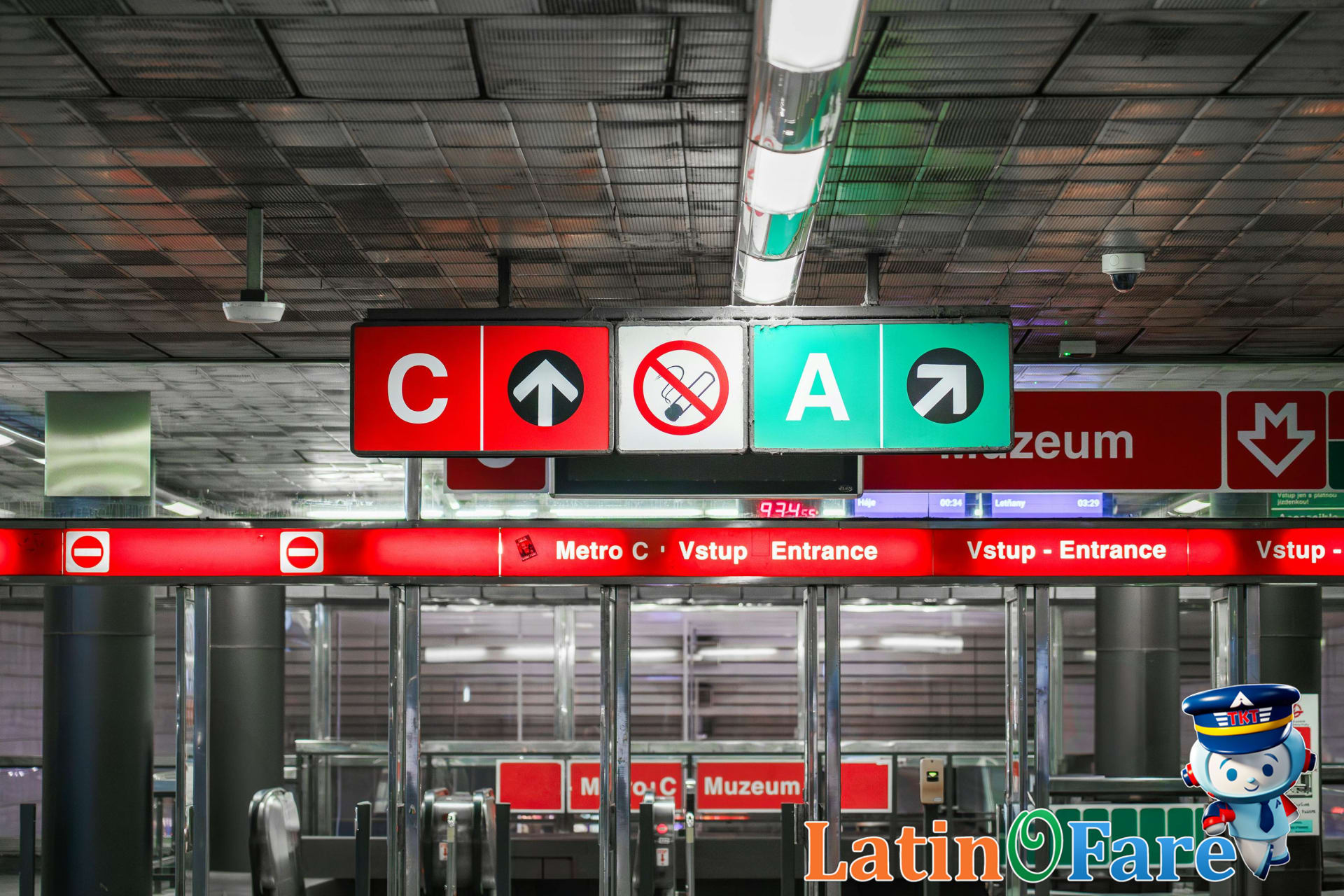
Many major airports are connected to city centers by train or subway, which can be both affordable and efficient—if you know what to expect. Typically, you’ll find airport train or subway access at a dedicated station inside or just outside the terminal. Look for signs marked “Airport Express,” “Airport Train,” or the specific city transit logo. These are usually well-marked, but I’ve found that signage can sometimes blend in, especially in busy stations. When in doubt, I always check the airport’s official transit access page before my trip; it’s saved me time and confusion more than once.
Some cities operate special airport lines or express trains that run directly between downtown and the terminals, skipping many local stops. These are designed for travelers, so they often have more space for luggage and fewer crowds outside peak hours. In contrast, regular city subway lines serving the airport may be cheaper but can get packed during rush hour and aren’t always designed with suitcases in mind. I once boarded a regular city subway to the airport during morning rush, and squeezing in with my roller bag was a challenge I’d rather avoid next time.
Handling Luggage On Board
Managing luggage on trains and subways can be tricky, depending on the station’s layout. Many airport stations offer elevators and ramps, but not all city stops do. I’ve had trips where I had to hunt for an elevator or carry my bag up a long flight of stairs. If you’re traveling with heavy or bulky luggage, check ahead for stations with step-free access. Some newer airport express trains even have dedicated luggage racks and wide doors, making boarding much easier. For more tips on choosing bags that work well with public transit, see our guide on best luggage for public transportation.
Timing And Wayfinding Tips
Peak crowding times—typically weekday mornings and late afternoons—can make airport train rides stressful, especially on regular commuter lines. If you can, travel during mid-morning or early afternoon for a more relaxed experience. Stations usually have clear signage in multiple languages, but I recommend double-checking your route and platform before boarding. It’s easy to end up on a local train that doesn’t go all the way to the airport if you’re not paying attention.
If you want the most current information on schedules and station access, I’d suggest visiting the airport’s official transit access page before your trip. It’s a habit that’s helped me avoid last-minute surprises and made my airport commutes much smoother.
Taking City Buses to the Airport
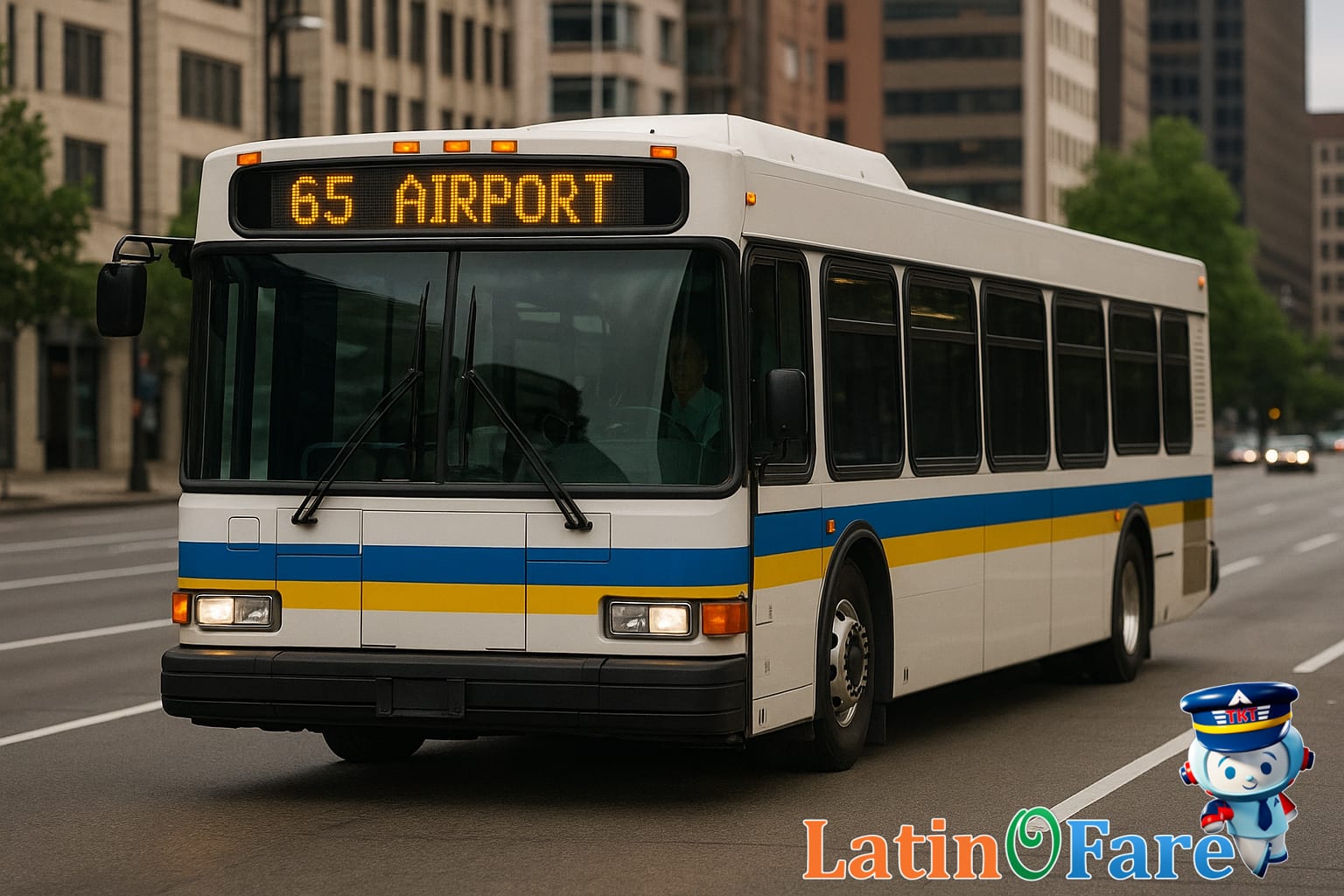
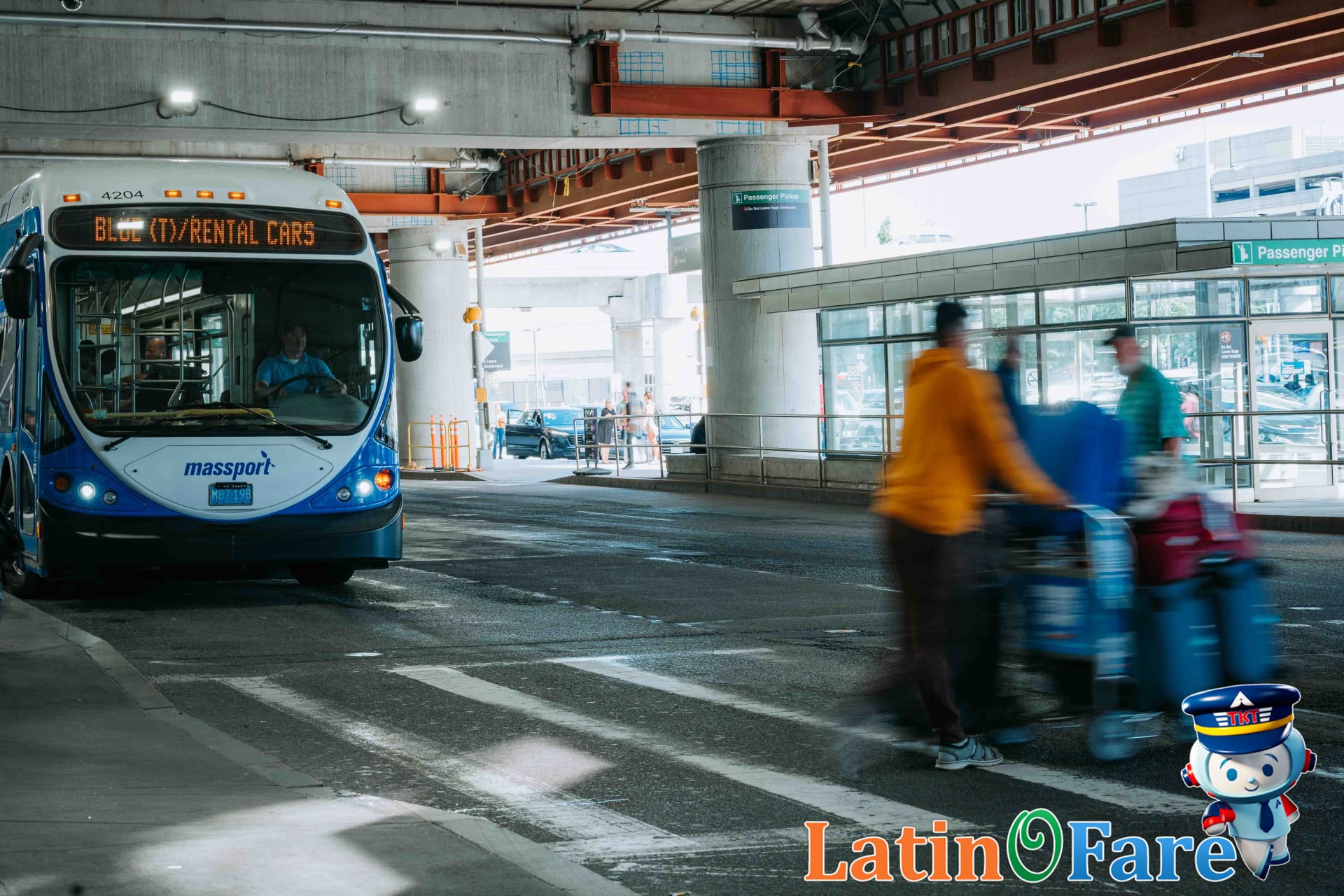
City buses can be a practical way to reach the airport, especially if you’re looking to save money. Most major cities have at least one bus route connecting the city center or key neighborhoods with the airport. You’ll usually find airport-bound buses at main transit hubs or designated stops near downtown. Schedules can be frequent during the day, but service may be limited late at night or early in the morning—something I learned the hard way while waiting for a bus before sunrise with my suitcase in tow.
Express Buses Versus Local Routes
Some cities offer express airport buses, which run directly from central locations to the airport with minimal stops. These are typically more comfortable, have luggage racks, and cost around $8.00 per ride. Regular city routes are cheaper—often about $2.50—but can take much longer and may not have space for large bags. If you have a tight schedule or lots of luggage, I’d compare both options before choosing. For example, New York City’s MTA Q70 SBS is an express bus to LaGuardia, while Los Angeles’ Metro Line 40 connects to LAX as a regular city route. You can check schedules and details for the LAX airport bus here.
Managing Luggage and Stops
Traveling with bags on city buses can be tricky. Express airport buses often have dedicated luggage areas, but regular city buses may require you to keep your bags with you, which can be awkward during crowded rides. I usually recommend keeping your luggage close and being ready to move quickly when your stop approaches—buses rarely wait long at airport terminals. If you’re not familiar with the stops, use your phone’s GPS or ask the driver to alert you when you’re near the airport.
For a more detailed checklist on preparing for airport transportation, you might find our airport transportation checklist helpful.
Timing Your Trip for Airport Transit

Getting your airport transit timing right can make or break your travel day, especially if you’re relying on public transportation. To estimate your total journey, start by checking the first and last train or bus times, then add in expected travel duration, plus a buffer for ticket queues or last-minute delays. I always factor in at least 30 extra minutes for unexpected holdups—especially if I’m catching one of those early morning flights.
Several factors can throw off your timing. Morning and evening rush hours often mean packed buses or slower trains, while late-night or weekend schedules may be less frequent. Construction or road closures can also pop up with little warning, so it’s smart to double-check transit alerts the night before. If you need to transfer between lines, leave yourself time for walking between platforms and waiting for the next connection. In my experience, missing a tight transfer window is one of the most common ways travelers end up scrambling.
To minimize the risk of missed connections, I always set multiple alarms when I have to catch the first bus or train of the day—one on my phone and another on a backup device. Prepping your ticket or transit card the night before also saves precious minutes. If you’re not a morning person, consider booking a hotel near the airport or using a taxi for the final leg. For more advice on handling those early departures, check out our related post on surviving early flights or jet lag.
What to Expect: Security, Tickets, and Transfers
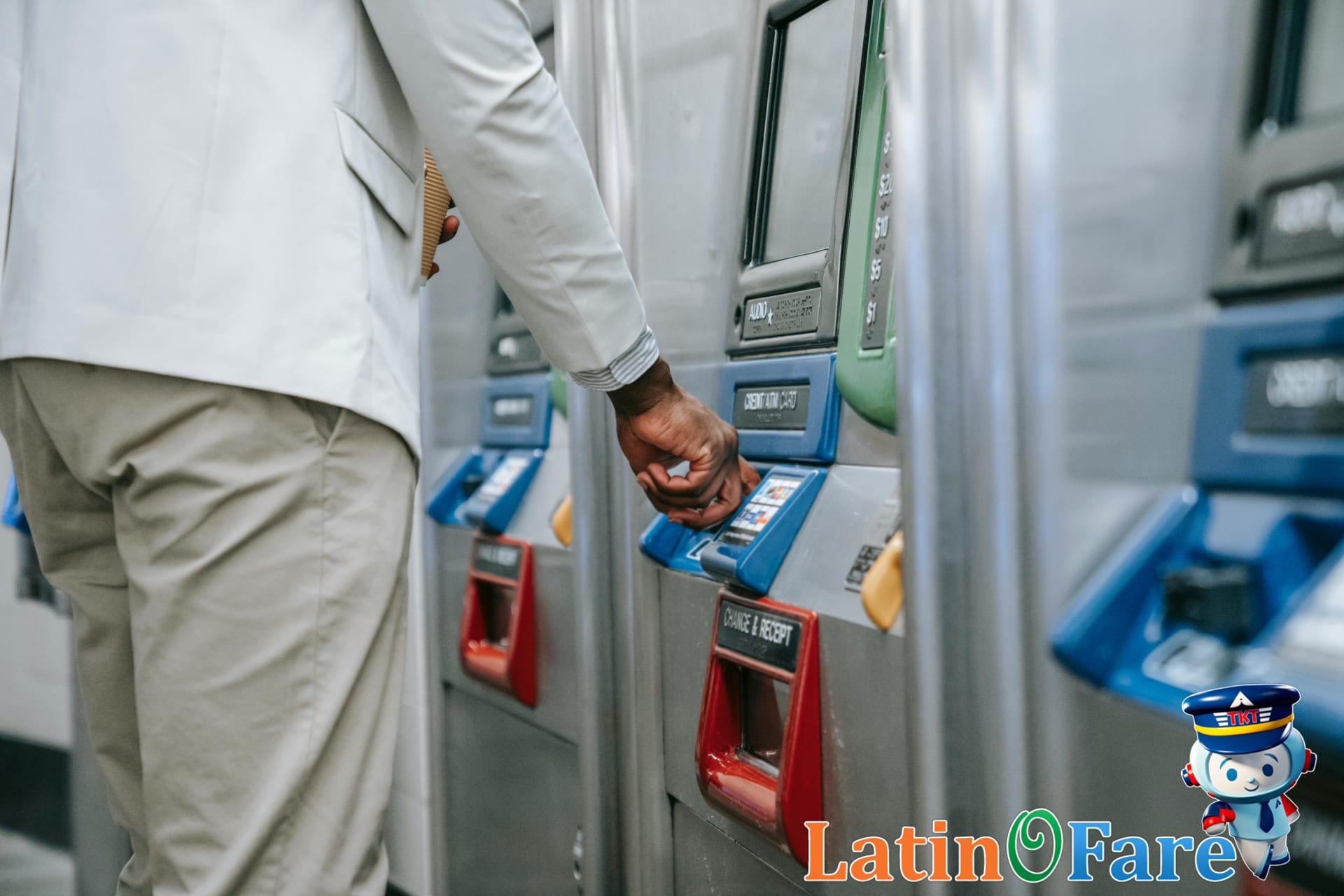
Airport transit can feel overwhelming, especially if you’re landing somewhere new. Most major airports offer several ways to buy transit tickets: self-serve kiosks (usually near arrivals or station entrances), mobile apps, or staffed counters. I’ve found that using a city’s official transit app is often the fastest route, but kiosks are handy if you prefer paying with cash or don’t want to deal with downloads. For frequent travelers, city passes or reloadable cards can be a good deal if you’ll be using transit more than once.
Security checks for airport transit vary by destination. Some places have full bag screening before you enter the train or bus platform, while others only check tickets at turnstiles. I once got stuck at a European airport’s rail station because I didn’t realize I needed to scan my ticket before boarding—the signage wasn’t obvious, and English translations were minimal. Since then, I always double-check for any scanning points or security gates before heading to the platform.
Making connections between buses, trains, and subways can be confusing, especially if you’re tired after a long flight. Most airports have clear signage, but it’s smart to look for icons (train, bus, metro) and color-coded lines rather than relying solely on text. If you’re not familiar with the local language, snapping a photo of your route or using a translation app can save you from missing a transfer. Some airports even offer multilingual help desks or digital information boards—don’t hesitate to ask for directions if you’re unsure.
If you want a smoother arrival, I recommend reading a guide to stress-free airport arrivals before your trip. For official details on ticketing and transfers, check your destination’s airport transit page—these are usually linked from the airport’s main website and updated regularly with current procedures.
Airport Transit Budget Table: Save More
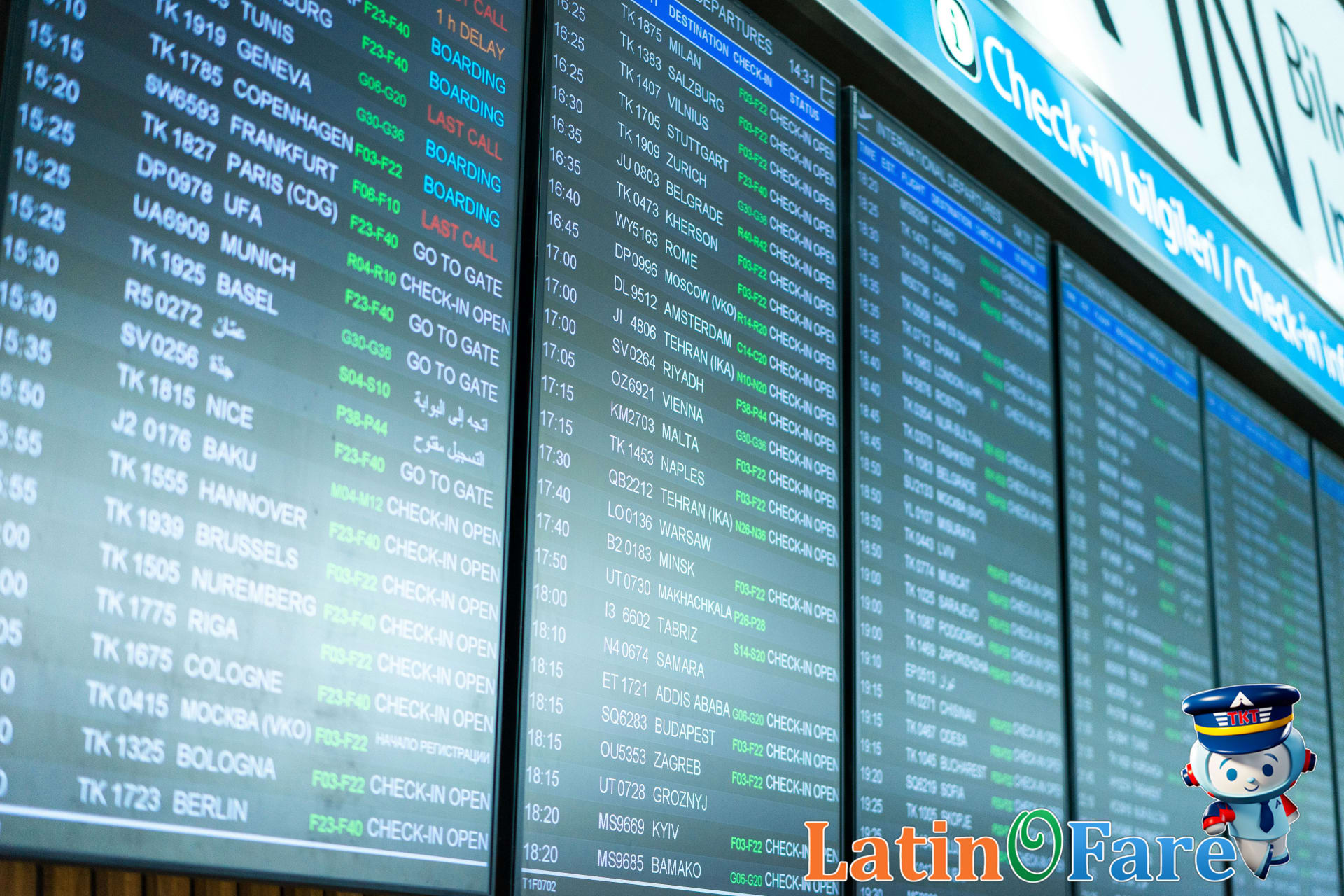
Airport transfers are one of the easiest places to watch your travel budget slip or stretch. Comparing what you spend on public transit versus a taxi or private car can be eye-opening—especially when you tally up your receipts at the end of a trip. I’ve found that using airport trains or buses in cities like London, New York, or Paris can keep my daily costs in the “budget” tier, freeing up more funds for food or activities. Here’s a breakdown to help you visualize how your choices add up.
| Budget | Mid-range | Luxury | |
|---|---|---|---|
| Airport Transport | About $3.00 (NYC subway from JFK) About $5.00 (London Tube from Heathrow) About $12.00 (Paris RER B train from CDG) |
About $25.00 (NYC shared shuttle) About $40.00 (London Heathrow Express train) About $40.00 (Paris taxi to city) |
About $80.00 (NYC private car) About $120.00 (London black cab) About $120.00 (Paris luxury transfer) |
| Accommodation | About $40.00 per night | About $110.00 per night | About $300.00 per night |
| Food | About $15.00 per day | About $40.00 per day | About $120.00 per day |
| Activities | About $10.00 per day | About $35.00 per day | About $100.00 per day |
Public transit can shrink your airport transfer cost to a fraction of what a taxi or car service would run. For example, the Paris RER B train from Charles de Gaulle Airport costs about $12.00, compared to around $120.00 for a private car. That difference alone could cover a nice dinner or a museum pass. If you’re looking for more ways to stretch your funds, check out latinofare.com’s money-saving tips article for practical strategies beyond airport transit.
For fare verification, I recommend referencing official city transit pages, such as the New York MTA Fares for current subway pricing.
FAQ: Saving More with Public Transit
- What is the cheapest way to get to the airport?
The cheapest way to reach most airports is usually by public transit, such as city buses or metro trains. Fares are typically much lower than taxis or rideshares—about $3.00 for a one-way city bus ticket in many major cities. I usually check local transit websites for updated schedules and ticket prices before traveling.
- How much can I save using public transit to the airport?
Using public transit for your airport transfer can save you a significant amount—often around $30.00 compared to a taxi or rideshare. For example, a city train or bus ticket might cost about $4.00, while a taxi could run you $35.00 or more, depending on distance and traffic.
- Are city trains to the airport safe for travelers with luggage?
City trains to the airport are generally safe, even if you’re carrying luggage. Most airport train routes are designed with travelers in mind, offering dedicated luggage areas and regular security patrols. In my experience, keeping your bags close and traveling during the day helps make the journey even smoother.
- Can you use public transit to the airport late at night?
Many cities offer late-night or 24-hour public transit options to the airport, but service frequency might decrease after midnight. I recommend checking the specific transit agency’s schedule before your trip. If you’re catching a very early or late flight, plan for extra travel time or consider backup options.
- Do all major airports have public transit options?
Most major airports provide some form of public transit, such as buses or trains, but coverage varies by city. While airports in large metropolitan areas almost always have transit links, smaller or regional airports may only offer limited or seasonal service. Always check the airport’s website before you travel.
- Are airport transit tickets the same as city tickets?
Airport transit tickets are sometimes different from standard city tickets. In some cities, you’ll need a special airport fare or ticket, which may cost a bit more—about $6.00 for an airport express train. Always read the fare details at ticket machines or on transit apps to avoid confusion.
Smarter Airport Travel Moving Forward

Switching to public transit for airport trips has genuinely changed how I approach travel days. Not only do I save money—sometimes about $35.00 compared to a taxi—but I also avoid the stress of unpredictable traffic and last-minute parking scrambles. The savings and reliability make a real difference, especially if you travel often or want to keep your trip budget in check.
If you haven’t tried taking the train or bus to the airport, I’d recommend giving it a go at least once. It’s a great way to cut costs, and you might find the ride surprisingly comfortable. For future trip planning, I always check airport transfer prices alongside airfare and hotels. It’s a simple step that can help you spot easy savings, and you can use latinofare.com to research your best options.