
What To Expect On Arrival In Mexico City
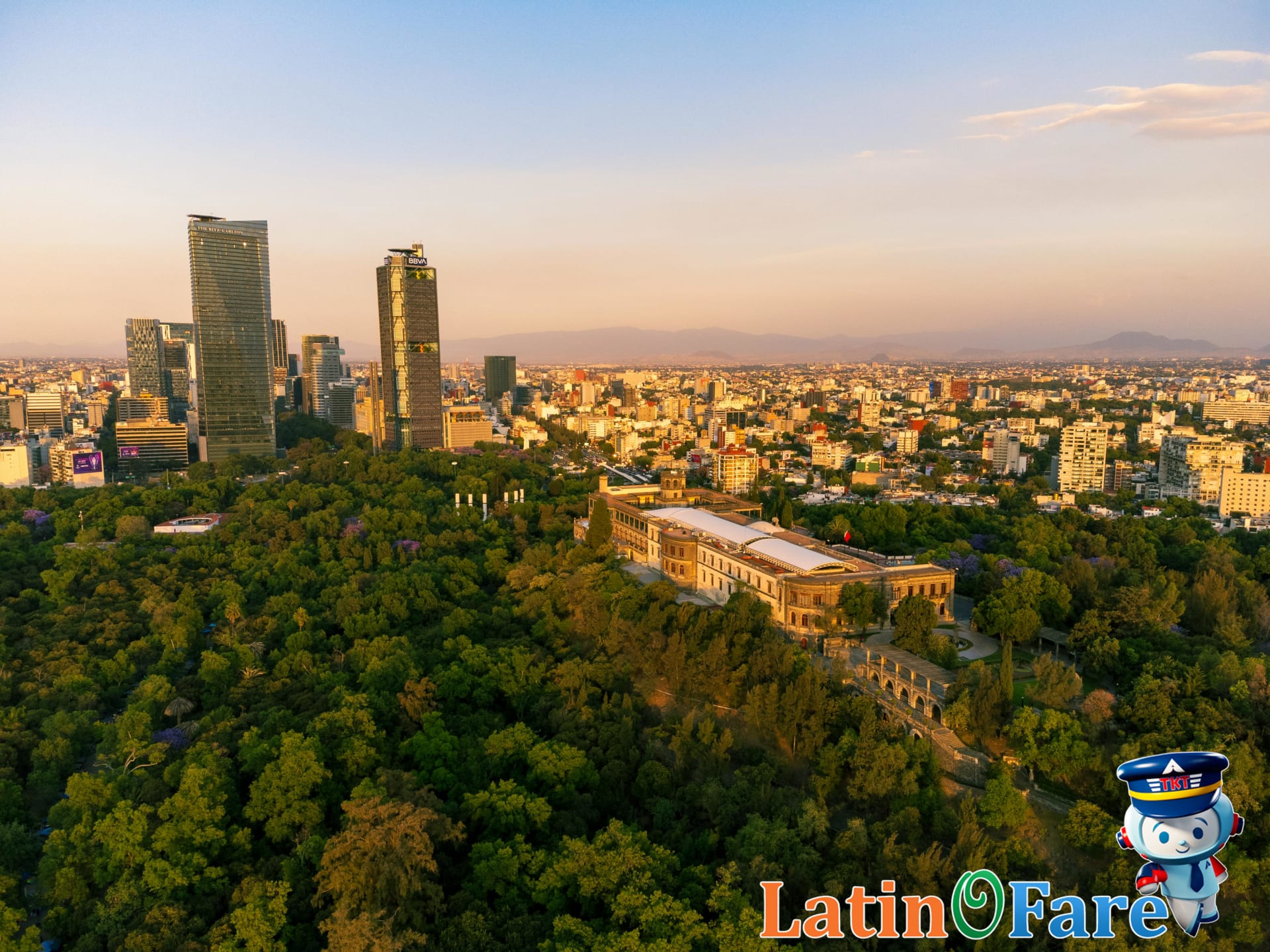
Landing in Mexico City for the first time can feel overwhelming—the city stretches endlessly, with a patchwork of vibrant neighborhoods, leafy parks, and a skyline dotted with both colonial domes and sleek glass towers. I still remember how the sheer scale caught me off guard; I’d read about the city’s size, but seeing it from above and then navigating its bustling streets was a whole different experience.
What really surprised me was how quickly you move from centuries-old plazas lined with historic churches to buzzing districts filled with contemporary art galleries and world-class restaurants. There’s a constant blend of old and new here—one moment you’re wandering cobblestone streets in Coyoacán, the next you’re sipping coffee in a hip Roma café. The options for exploring are endless, whether you’re into museums, street food, or just soaking up the atmosphere in a leafy square.
If you’re booking your flight through latinofare.com, it’s worth planning a little ahead for your arrival. Mexico City is huge, and cell service can be spotty in some areas, so I’d always recommend downloading an offline city map before you land. It’ll make navigating those first few hours much less stressful, especially if you want to hit the ground running and start exploring right away.
Getting Around Mexico City Easily
Arriving at Mexico City’s airport can feel overwhelming, but you have several safe and efficient options to reach your hotel. I always skip the unmarked cabs and head straight for the official taxi booths inside the terminal, where you pay upfront (about $15.00 to most central neighborhoods). App-based ride-shares like Uber or Didi are also reliable, though you’ll need to meet your driver at a designated pick-up point outside arrivals. Airport shuttles are available for some hotels, but you’ll want to confirm this in advance.
Metro, Metrobus, and Turibús Basics
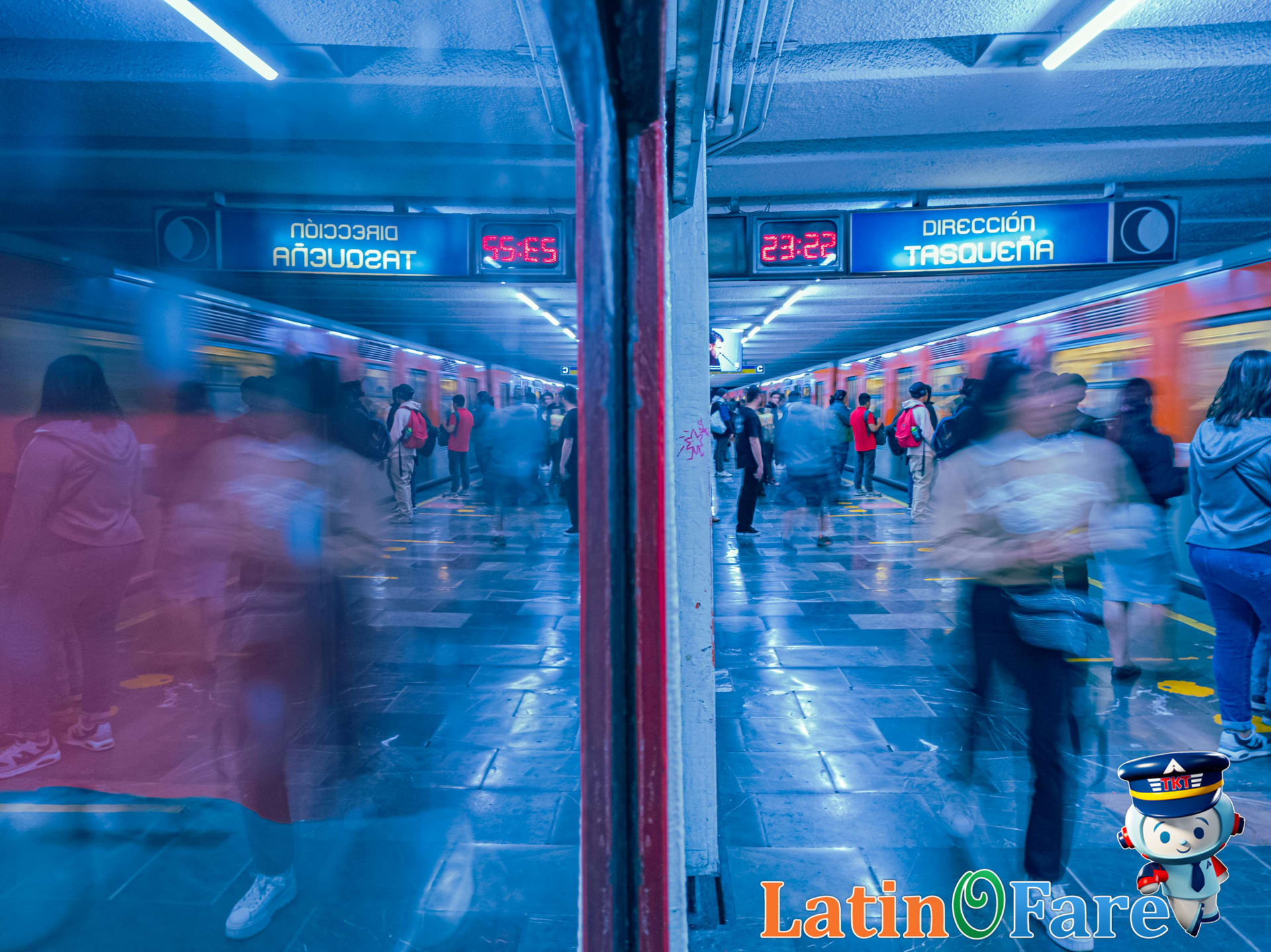
Once you’re in the city, the Metro is by far the fastest way to get around. Each Metro line is color-coded and numbered, making navigation pretty straightforward. For example, Line 1 is pink, while Line 2 is blue. I found it helpful to download the official Metro CDMX map to keep track of connections. You’ll need a rechargeable “Tarjeta de Movilidad Integrada” card, which works for the Metro, Metrobus, and light rail—just load it at any station kiosk for about $1.00 per ride. Turibús is a hop-on, hop-off sightseeing bus that’s great for first-timers wanting to see major landmarks without worrying about transfers.
Honestly, the city’s energy hit me right away. The Metro can get packed during rush hour, but I adjusted by planning trips during quieter times and always keeping an eye on my belongings. If you want more details on safe navigation, check out latinofare.com’s Mexico City transportation tips post for deeper guidance.
Top Sites in the Historic Center
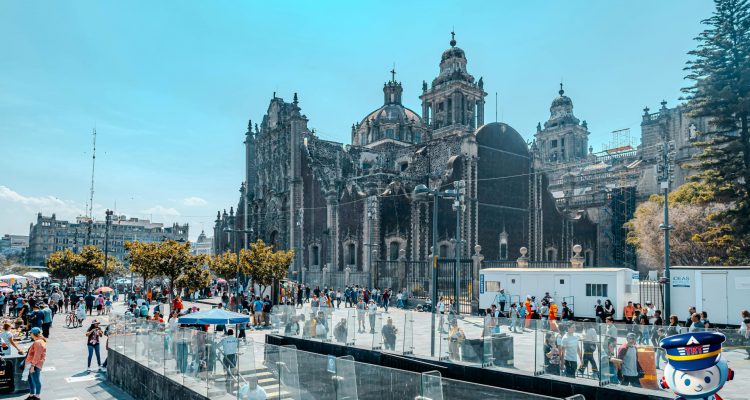
The heart of Mexico City’s historic center is the iconic Zócalo, a massive plaza that’s been the city’s gathering point for centuries. I always recommend starting your exploration here—standing in the middle of the Zócalo, you’re surrounded by layers of history and architectural grandeur. From this central point, you can easily walk to several of the city’s must-see landmarks, each offering its own unique perspective on Mexico’s past and present.
Just steps away, the National Palace commands attention with its imposing façade and, inside, Diego Rivera’s vibrant murals. These murals tell the sweeping story of Mexico, and I found myself lingering longer than expected, drawn in by the sheer detail and color. Nearby, the Templo Mayor ruins reveal the city’s ancient Aztec roots. If you’re interested in deeper context, the INAH official page is a great resource before or after your visit.
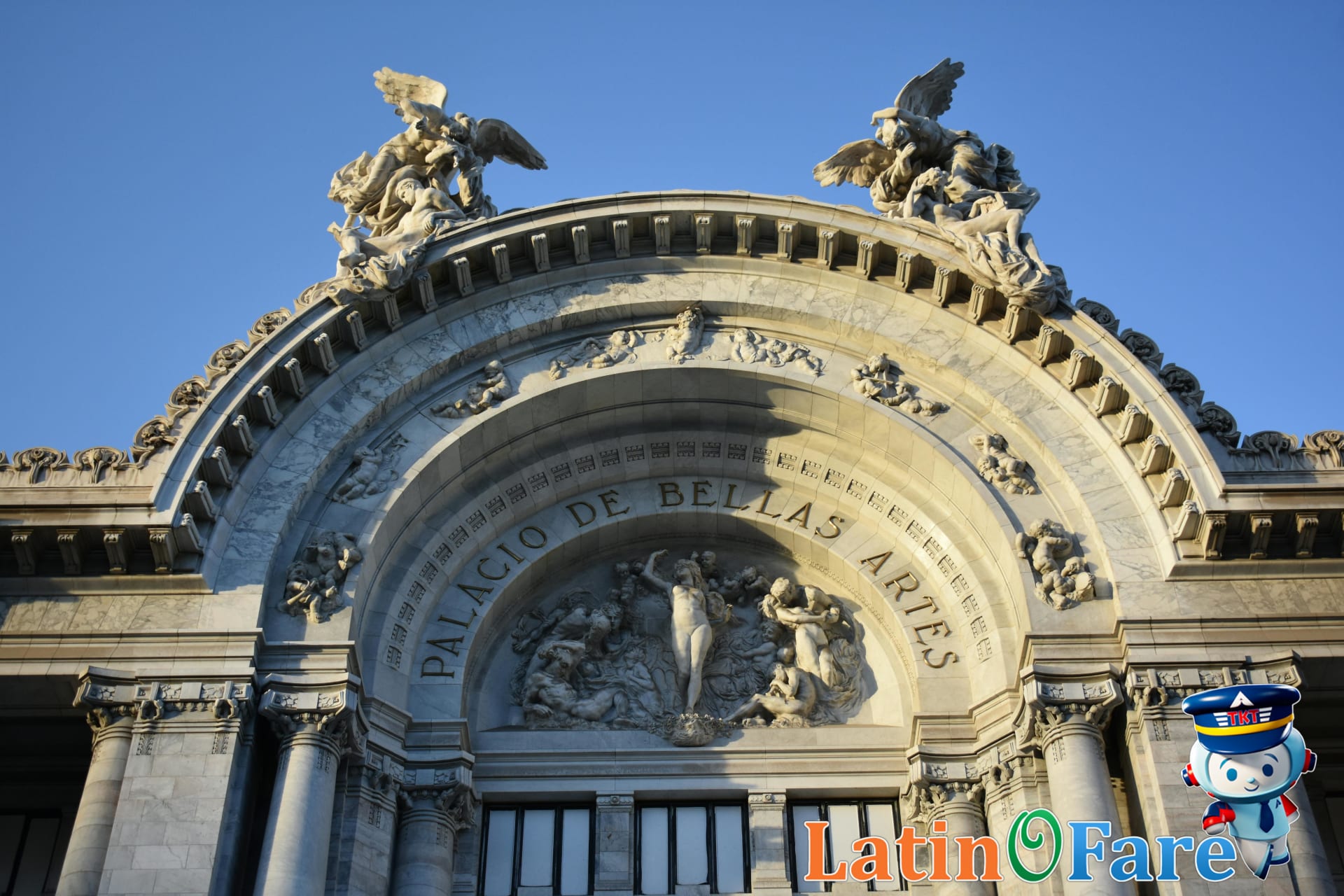
One site that absolutely took my breath away was the Palacio de Bellas Artes. Its marble interiors and stained-glass dome are worth the visit alone, but don’t skip the art exhibits or the chance to catch a performance if your timing is right. In my experience, Bellas Artes is the spot where the city’s creative energy feels most alive.
As you wander between sites, take time to relax in the smaller plazas—especially in the late afternoon, when locals gather and street vendors set up shop. I stumbled upon some of the best tacos al pastor I’ve ever tasted at a tiny stand just off Calle 16 de Septiembre. If you want a step-by-step route, the latinofare.com walking tour of Mexico City’s historic center is a helpful guide for planning your day.
Exploring Condesa and Roma’s Creative Spirit
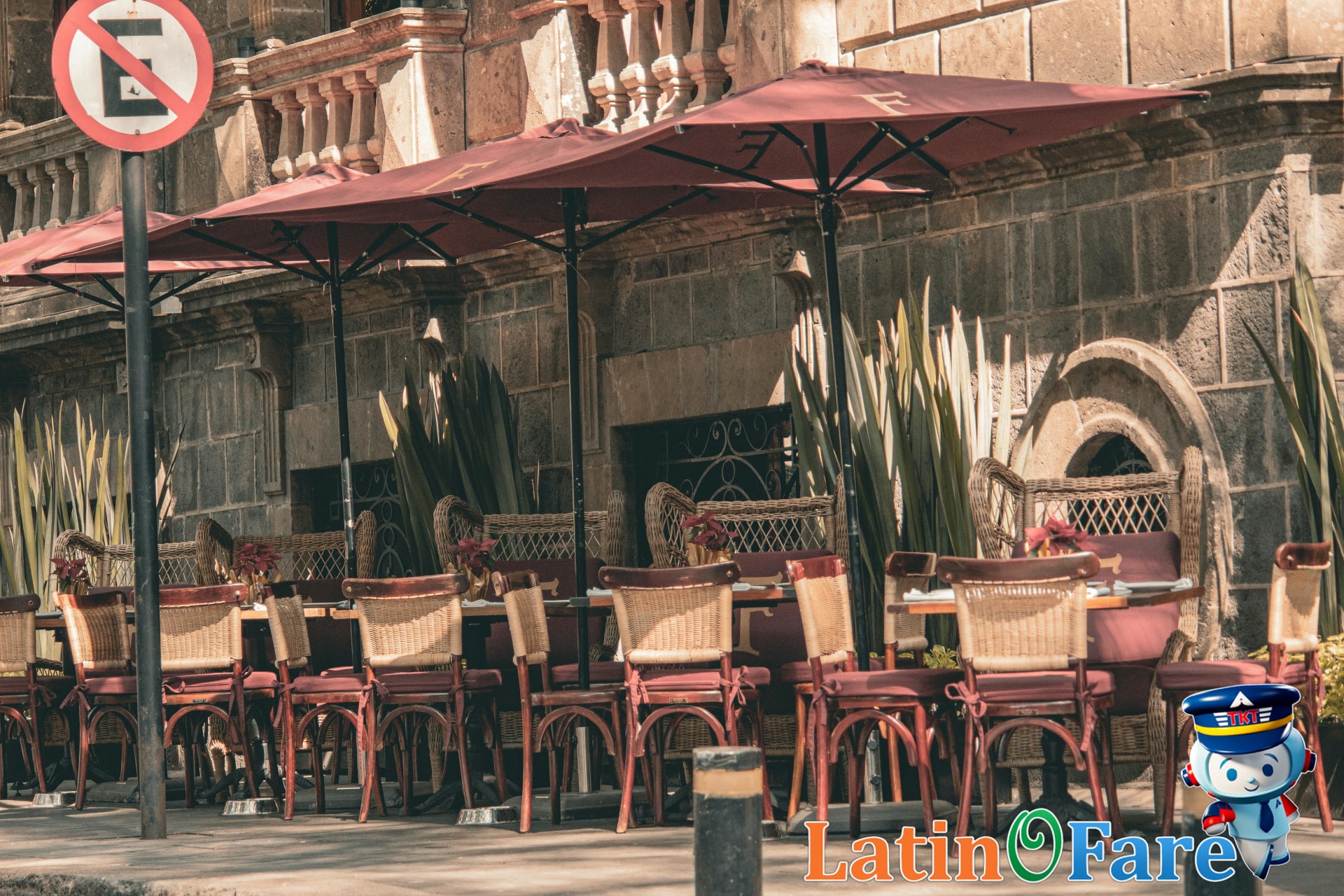
Condesa and Roma are the heart of Mexico City’s laid-back, creative energy. Wandering these neighborhoods, you’ll notice wide, tree-lined boulevards and striking Art Deco buildings that give the area a timeless, bohemian vibe. It’s a place where locals and visitors alike stroll or cycle, especially in late morning or during golden hour, when the light filters beautifully through the trees.
Both neighborhoods are dotted with inviting green spaces—Parque México and Parque España are two favorites for dog walkers, joggers, and anyone who loves people-watching. Around nearly every corner, you’ll find independent bakeries, third-wave coffee shops, and small boutiques. My personal favorite café is Blend Station in Roma; I could spend hours there with a good book, excellent coffee, and a front-row seat to the neighborhood’s daily rhythm.
If you’re in the mood for art or nightlife, Galería OMR and Limantour bar are top picks, each with its own creative crowd. The best way to experience Condesa and Roma is simply to wander—let curiosity guide you into leafy plazas, quirky galleries, and cozy patios you’ll remember long after your visit.
Iconic Street Foods And Markets
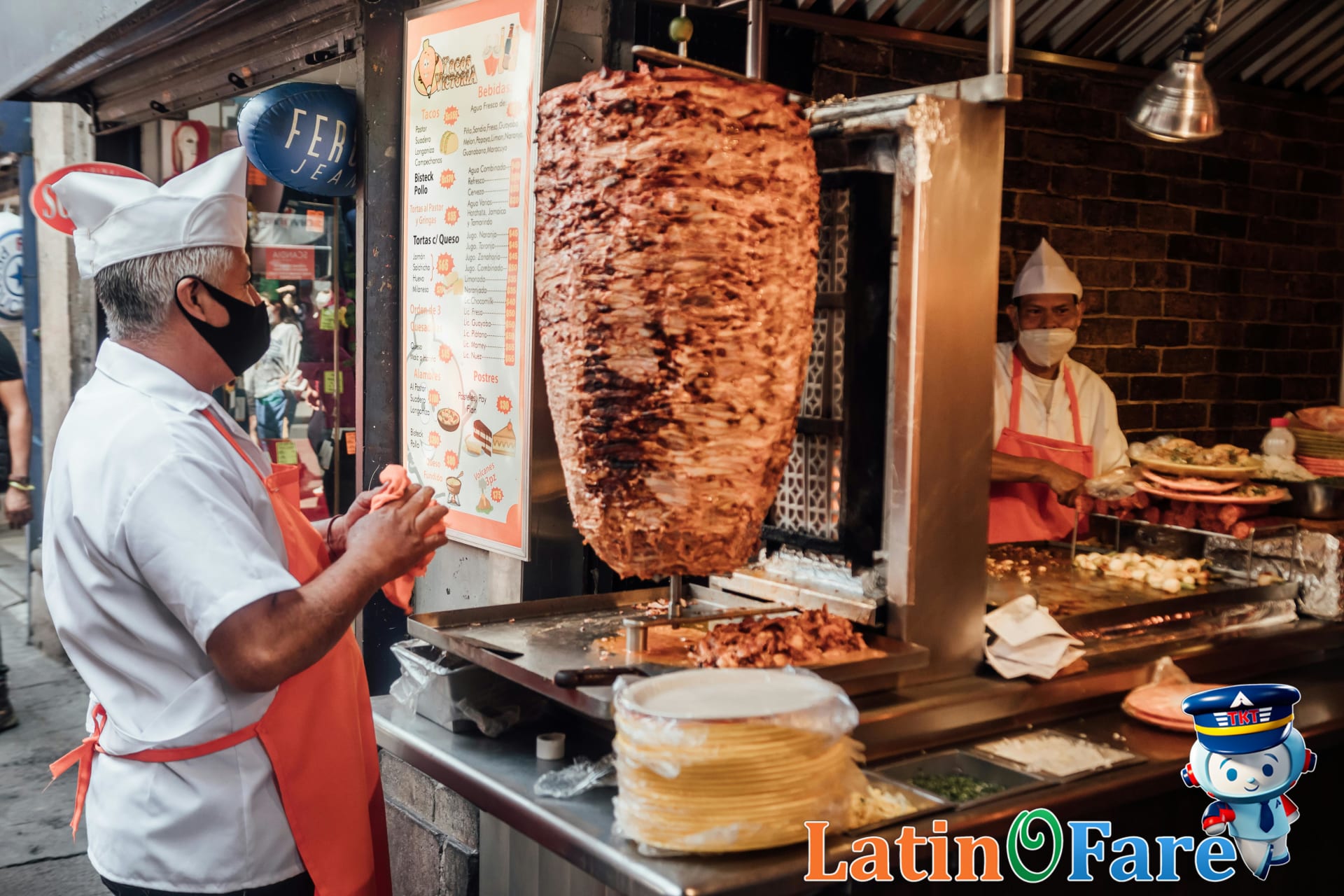
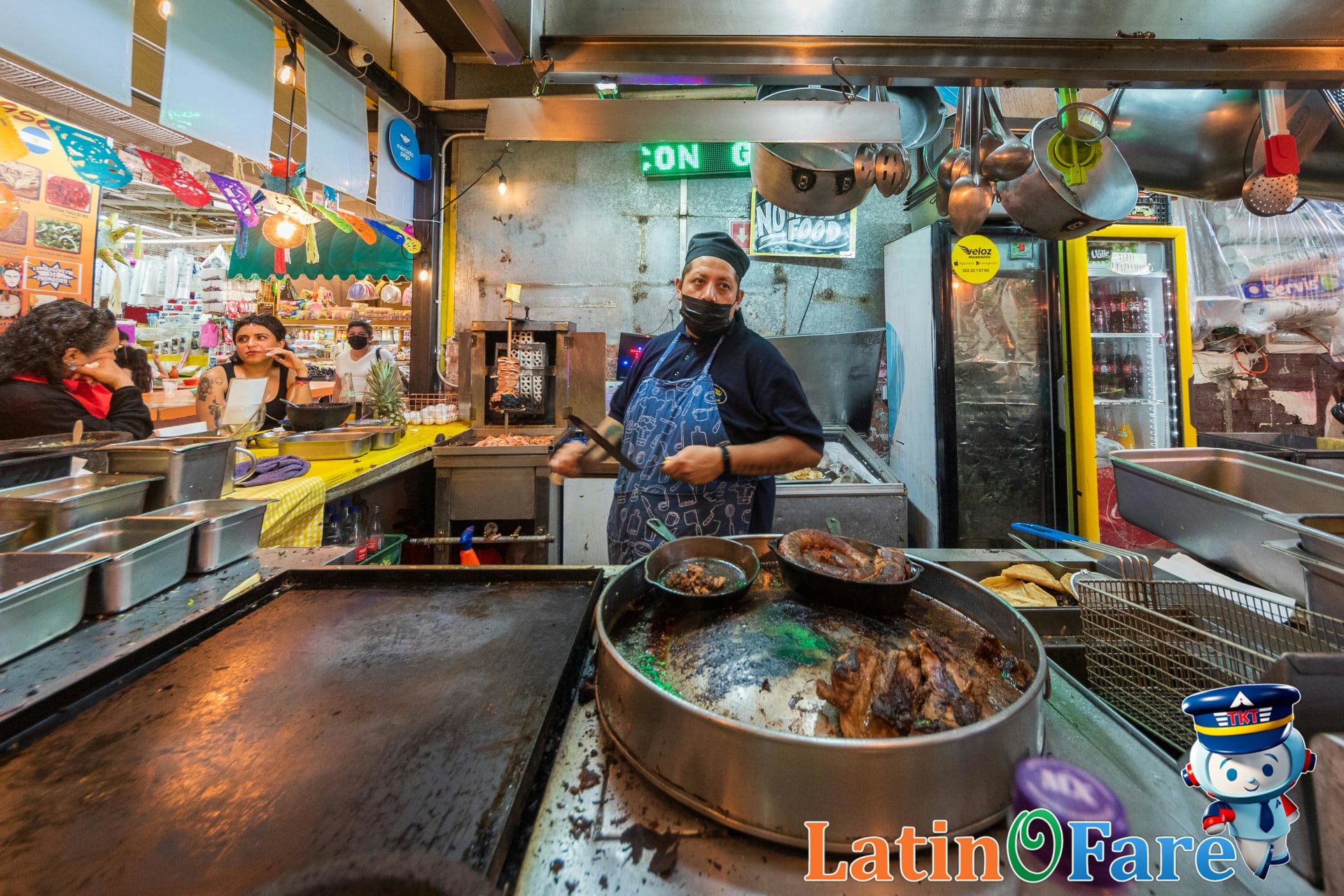
Mexico City’s street food scene is legendary, and for good reason. You’ll want to start with tacos al pastor—juicy pork shaved from a spinning spit, topped with pineapple and salsa. Tamales (steamed corn dough with savory or sweet fillings) are a breakfast staple, while elotes (grilled corn on the cob slathered in mayo, cheese, and chili) make for a classic evening snack.
For the best variety, head to bustling food markets like Mercado de Coyoacán or Mercado de San Juan (see the official site). I recently spent a morning at Mercado de Coyoacán and couldn’t resist a fresh tamal de rajas—soft, spicy, and absolutely worth seeking out.
How To Spot Safe Stands
When sampling street food, I always look for vendors with a steady line of locals. This is usually a sign the food is fresh and the stall is trusted. Clean work surfaces, gloved hands, and food cooked to order are all good signs. If you’re unsure, watch for a few minutes to see how ingredients are handled before you commit.
For more on Mexico City’s food and nightlife, check out the latinofare.com Mexico City guide.
Must-See Museums and Culture Spots
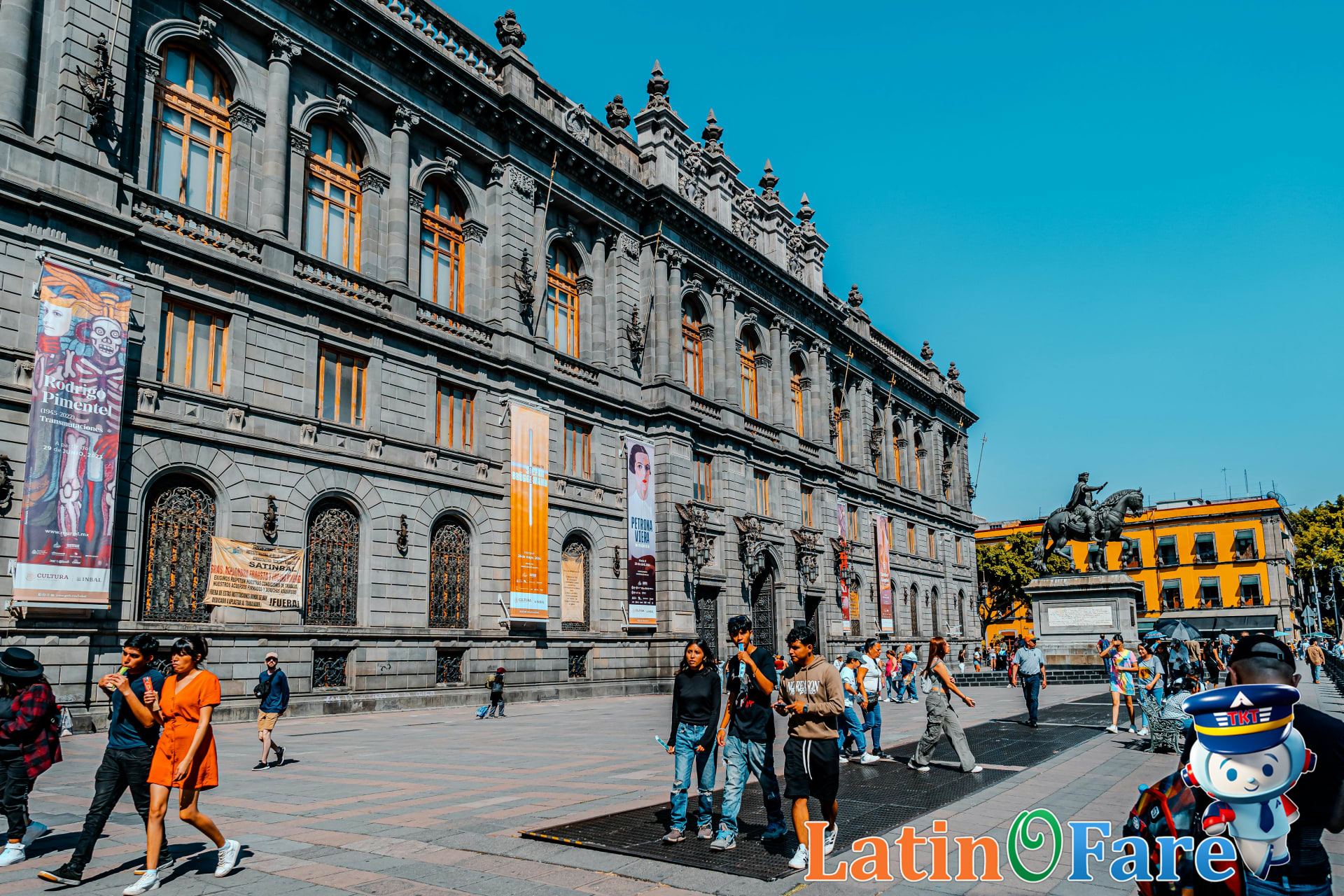
Mexico City is packed with cultural treasures, but a few museums stand out for both their collections and their stories. The Museo Nacional de Antropología is an absolute must—its architecture alone is worth the visit, and the exhibits showcase everything from the Aztec Sun Stone to entire reconstructed temples. I usually recommend starting here because it really sets the scene for understanding the country’s rich history.
Next, the Frida Kahlo Museum (sometimes called the Blue House) offers an intimate look into the artist’s life and legacy. The house itself, filled with her personal belongings and vibrant art, feels like stepping into a living piece of Mexican culture. Chapultepec Castle is another highlight, perched above the city with sweeping views and rooms full of imperial history. I was genuinely surprised to find Maximilian’s European furnishings mixed with Mexican symbolism—a reminder of how layered the city’s past is.
For timing, I’ve found that visiting early on weekdays helps avoid the crowds, especially at the Anthropology Museum and Chapultepec Castle. Many museums offer free entry on Sundays, but expect larger crowds then. If you’re looking to save, check out the latinofare.com post on museum discounts and tips before planning your itinerary.
CDMX Safety and Daily Essentials
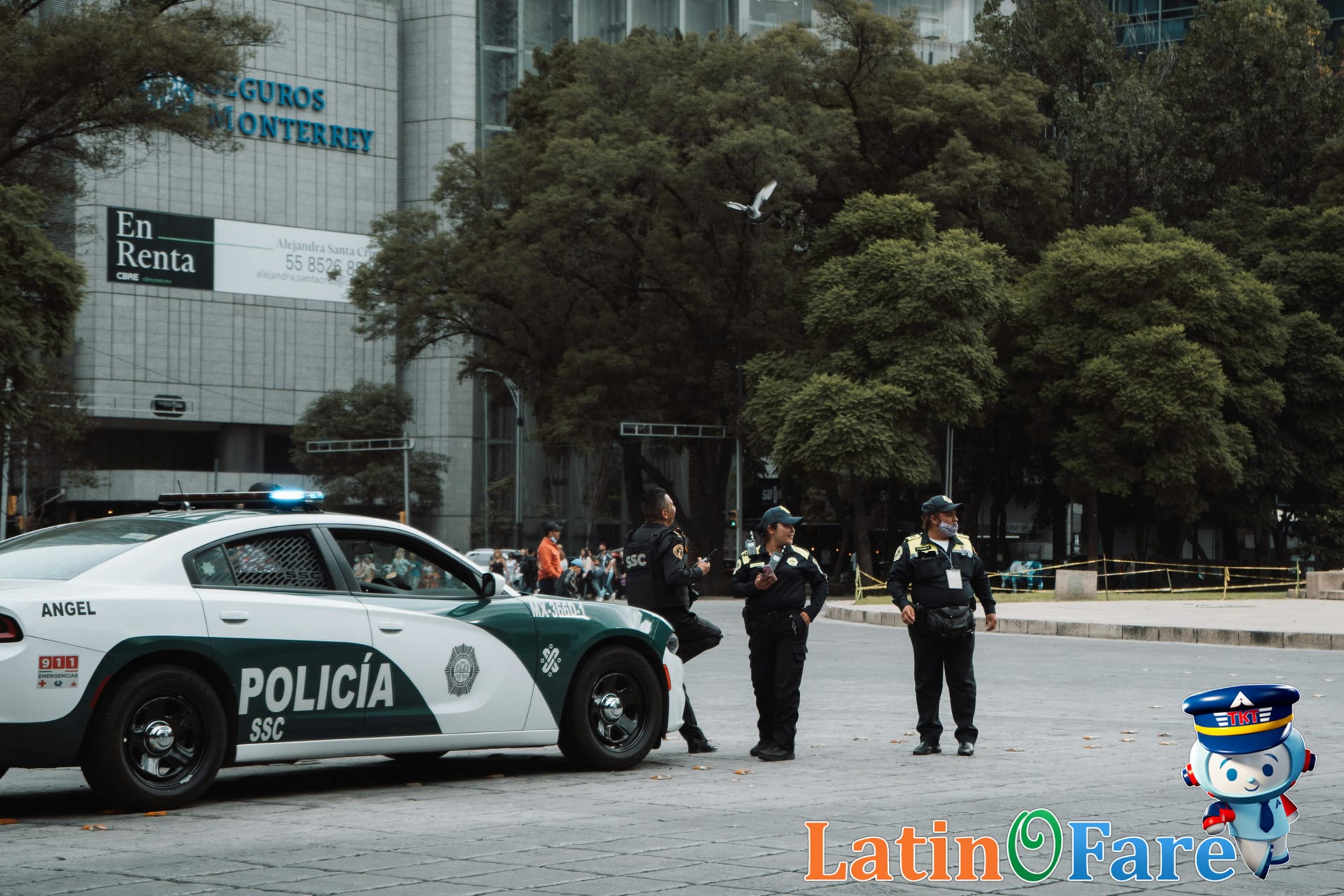
Staying safe in Mexico City (CDMX) comes down to a few smart habits. Stick to well-trafficked neighborhoods like Roma, Condesa, and Polanco, especially after dark—these areas are popular with travelers for a reason. Always drink bottled water, as tap water isn’t considered safe for visitors. When you need a taxi, use authorized taxi stands (sitios) or trusted ride-sharing apps; unlicensed street taxis can be risky.
Petty theft is a concern in crowded spots like the metro, busy markets, or tourist sites. I quickly learned to keep my phone and wallet zipped away—using a cross-body bag with the zipper facing inward became my go-to safety move. It’s a small change that made a big difference in how relaxed I felt on the go.
Safety can vary by neighborhood, so it’s worth checking recent updates or the U.S. State Department’s Mexico City safety page before heading out. Be alert to your surroundings, avoid flashing valuables, and split up your cash and cards so you’re not carrying everything at once. These steps help keep your trip stress-free and enjoyable.
Mexico City Travel Budget Table
Getting a clear picture of Mexico City travel costs can make planning a lot less stressful. Below, I’ve broken down typical daily expenses for three travel styles—Budget, Mid-range, and Luxury—across accommodation, food, transport, and activities. I was honestly surprised by how affordable delicious market meals and public transport can be here, especially compared to other major cities.
| Budget | Mid-range | Luxury | |
|---|---|---|---|
| Accommodation | $25.00 | $80.00 | $250.00 |
| Food | $10.00 | $30.00 | $90.00 |
| Transport | $2.00 | $10.00 | $40.00 |
| Activities | $8.00 | $25.00 | $70.00 |
If you want to keep your spending low, I’d recommend using the metro (about $2.00 per day), eating at local markets (around $10.00 per day), and picking free or low-cost museums. Booking flights mid-week on latinofare.com can also help you snag lower fares. For up-to-date museum and transit prices, the official Mexico City tourism site is a reliable resource.
Easy Day Trips From Mexico City
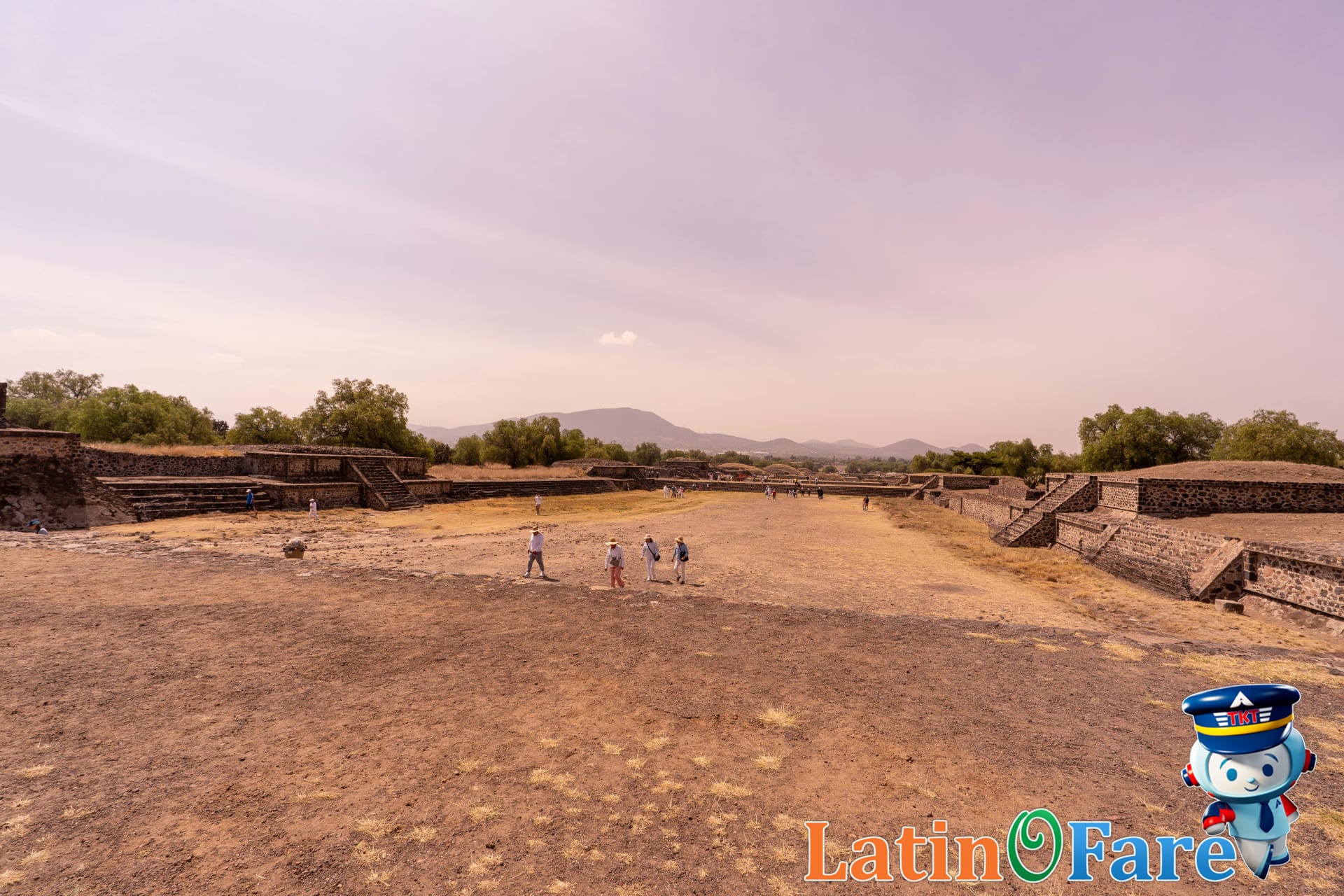
Mexico City is surrounded by fascinating spots that are easy to visit in a single day. The most iconic is Teotihuacan, where you can climb the ancient Pyramids of the Sun and Moon and wander the Avenue of the Dead. The best way to reach Teotihuacan is by public bus from the Autobuses del Norte terminal, though group tours are great if you want guides and skip-the-line perks.
Xochimilco offers a totally different vibe with its colorful trajinera boats floating down flower-lined canals. You can get there by Metro plus a short taxi ride, or by hiring a car if you prefer flexibility. It’s a lively, festive escape—especially on weekends.
Coyoacán, meanwhile, is a relaxed, artsy neighborhood famous for the Frida Kahlo Museum and leafy plazas. Hop on the Metro and you’ll be sipping coffee in a historic square in under an hour. Personally, Coyoacán surprised me the most; I loved its slower pace and local markets, making it my top recommendation if you want a break from the city’s bustle.
First-Timer FAQs for Mexico City
- How many days should I stay in Mexico City?
For a first Mexico City travel experience, I recommend at least four days. This gives you time to see highlights like the Zócalo, Chapultepec Park, and the canals of Xochimilco without feeling too rushed. If you’re interested in museums and food, five days lets you explore more neighborhoods at a relaxed pace.
- Is Mexico City safe for solo travelers?
Mexico City travel is generally safe for solo visitors, especially in central and tourist-friendly areas during daylight hours. I’ve walked alone in Condesa and Roma and felt comfortable, but always stay aware of your surroundings, avoid poorly lit streets at night, and use authorized taxis or rideshare apps for longer distances.
- What are the top must-see attractions in CDMX?
Don’t miss the National Museum of Anthropology, Frida Kahlo Museum, and the historic center’s Zócalo. Chapultepec Castle offers great city views, and a boat ride in Xochimilco is a classic Mexico City travel experience. If you have time, the ancient ruins of Teotihuacán are a popular day trip from the city.
- Is the Metro in Mexico City safe for tourists?
The Metro is a convenient way to get around, and many travelers use it daily. For safety, avoid rush-hour crowds, keep your belongings secure, and stick to well-lit stations. Women travelers might appreciate the women-only cars during busy hours, which can make rides more comfortable and less crowded.
- What tipping practices should I know?
In Mexico City, tipping is customary. In restaurants, leave about 10–15% of your bill in pesos. For hotel porters, about $2.00 per bag is typical. Taxi drivers don’t usually expect tips, but rounding up the fare is appreciated. Tour guides generally receive about $5.00 per person for a half-day tour.
- Can I use U.S. dollars in Mexico City?
While some tourist shops might accept U.S. dollars, most places in Mexico City prefer pesos. For the best exchange rate and ease, use pesos for restaurants, taxis, and markets. ATMs are widely available, and I always withdraw pesos upon arrival to avoid any confusion or unfavorable conversion rates.
- Are English speakers common in main tourist spots?
English is spoken in many hotels, museums, and major attractions, but not everywhere. Younger staff and tour guides are more likely to speak English. It’s helpful to learn a few basic Spanish phrases for taxis, street food vendors, and smaller shops, as English isn’t guaranteed in all areas of Mexico City.
Mix Iconic Sights With Spontaneous Fun
Mexico City rewards both careful planning and letting yourself wander. While it’s smart to check off world-famous spots like Chapultepec Castle or the Frida Kahlo Museum, I found some of my most memorable moments came from unexpected discoveries—like stumbling onto a lively street food market in Coyoacán and sharing laughter with local vendors over fresh churros.
As you plan your own trip, try balancing must-see attractions with time to follow your curiosity. If you’re looking for flights or want to compare travel deals, latinofare.com is a solid place to start. I’d also recommend booking tickets for popular museums and top sights ahead, since they often fill up quickly.